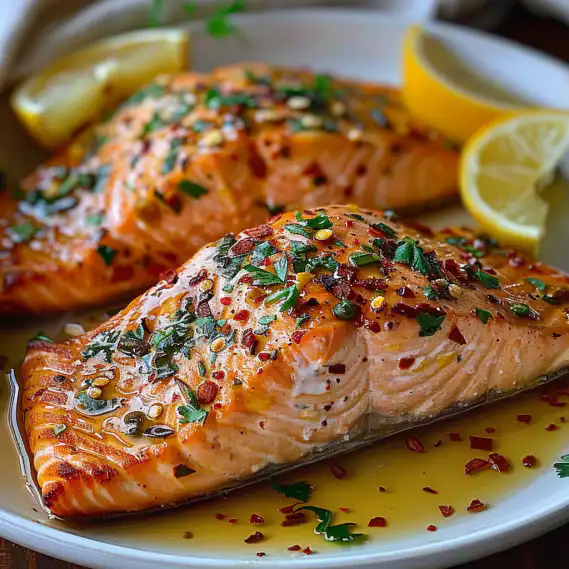
Texas Roadhouse-style baked salmon recipe is a weeknight winner, bringing a touch of that beloved restaurant flavor right to your kitchen. It’s surprisingly simple, quick to prepare, and delivers a delicious, flaky salmon that the whole family will enjoy, without any fuss.
Why This Salmon Recipe Works
This recipe truly shines because it captures the essence of that popular restaurant appetizer without the deep frying. The simple yet flavorful seasoning melds beautifully with the rich, flaky salmon, creating a dish that feels a little special but is incredibly approachable for any home cook.
Ingredients
- 1.5 to 2 pounds salmon fillet (skin on or off, your preference)
- 2 tablespoons olive oil
- 1 tablespoon melted butter
- 1 teaspoon garlic powder
- 1 teaspoon onion powder
- 1 teaspoon paprika
- 1/2 teaspoon dried dill
- 1/4 teaspoon salt
- 1/4 teaspoon black pepper
- Optional: Lemon wedges for serving
Gathering these simple ingredients is the first step to enjoying a delicious, restaurant-inspired meal at home.
How to Make It
- Preheat Your Oven and Prepare the Baking Dish: Preheat your oven to 400°F (200°C). Lightly grease a baking dish large enough to hold your salmon fillet, or line it with parchment paper for easier cleanup.
- Pat the Salmon Dry: Using paper towels, gently pat the salmon fillet dry. This step is crucial for helping the seasonings adhere to the fish and promoting a nice, even cook. Moisture on the surface can lead to steaming rather than roasting, which isn’t ideal for achieving that tender, flaky texture we’re aiming for.
- Whisk Together the Seasonings: In a small bowl, whisk together the garlic powder, onion powder, paprika, dried dill, salt, and black pepper. This blend of spices provides that signature savory flavor profile that we associate with that popular steakhouse’s appetizers. The dill adds a subtle herbaceous note that really complements the richness of the salmon without being overpowering. I find that combining everything in one bowl ensures an even distribution of flavors across the entire fillet.
- Brush with Olive Oil and Butter: Place the salmon fillet, flesh-side up, in the prepared baking dish. Drizzle the olive oil and melted butter evenly over the top of the salmon. Use a pastry brush or the back of a spoon to gently spread the oil and butter all over the surface.
- Season the Salmon: Sprinkle the prepared spice mixture evenly over the oiled and buttered salmon. Gently press the seasonings into the fish with your fingertips to ensure they adhere well.
- Rest and Serve: Once cooked, remove the salmon from the oven. Let it rest for a few minutes before serving. This brief resting period allows the juices to redistribute throughout the fillet, resulting in a more moist and flavorful piece of fish.
This simple method transforms a humble salmon fillet into a flavorful and satisfying meal in under half an hour.
Try this recipe too: Lime Garlic Butter Baked Salmon Recipe
Nutrition at a Glance
- Rich in Omega-3 Fatty Acids: Salmon is a fantastic source of omega-3s, which are beneficial for heart and brain health.
- High-Quality Protein: A complete protein, essential for muscle building and repair.
- Vitamins and Minerals: Provides essential vitamins like D and B12, and minerals such as selenium and potassium.
- Lower in Saturated Fat: Compared to many other animal proteins, salmon is relatively low in unhealthy saturated fats.
- Calories: Generally moderate, depending on portion size and any added sauces or sides.
- Low Carbohydrates: Unless served with a starchy side, this dish is naturally very low in carbohydrates.
This salmon is not only delicious but a smart choice for a balanced diet.
How to Serve It
- With Classic Steakhouse Sides: Embrace a steakhouse feel by serving it alongside a baked potato, loaded with toppings like sour cream, chives, and cheese, or a freshly steamed or roasted asparagus. A Caesar salad is also a fantastic companion, offering a crunchy, tangy contrast.
- Light and Fresh: For a lighter option, pair it with a vibrant quinoa salad, a bed of mixed greens with a light vinaigrette, or simple steamed green beans.
- Rice or Grains: Serve over a bed of fluffy white rice, brown rice, or even a flavorful pilaf. The rice will soak up any delicious pan juices.
- With Lemon Wedges: Always offer fresh lemon wedges. The bright, citrusy juice cuts through the richness of the salmon beautifully and enhances its natural flavor. A squeeze of fresh lemon just before taking a bite truly elevates the entire experience.
- As Part of a Larger Meal: This salmon can be plated alongside other main dishes for a hearty buffet or a special occasion meal.
The simplicity of the salmon’s flavor profile allows it to complement a wide range of accompaniments, making it a go-to for busy weeknights and casual entertaining alike.
Common Mistakes
- Overcooking the Salmon: This is arguably the most common mistake. Salmon is a delicate fish and can go from perfectly cooked to dry and tough in a matter of minutes. Keep a close eye on it, especially as you near the estimated cooking time, and use a fork to test for flakiness. Internal temperature is your best friend here; aiming for 145°F is key.
- Not Patting the Salmon Dry: As mentioned in the instructions, moisture on the surface of the salmon can lead to steaming rather than roasting. This can result in a less appealing texture and prevent the seasonings from adhering properly. Take the extra minute to pat it dry; it makes a difference.
- Uneven Seasoning Distribution: If the seasonings aren’t spread evenly across the fillet, you’ll end up with some bites that are bland and others that are overly seasoned. Take care to sprinkle the mixture as uniformly as possible and gently press it in.
- Not Letting the Salmon Rest: While it might seem like an unnecessary step when you’re eager to eat, letting the salmon rest for a few minutes after baking allows the juices to redistribute. Skipping this can lead to a drier final product as those flavorful juices run out onto the plate immediately.
- Using Poor Quality Salmon: The quality of your salmon fillet will directly impact the final taste and texture of your dish. Opt for fresh, good-quality salmon when possible. If using frozen, ensure it’s thawed properly according to package directions. The fat content and flavor profile can vary significantly between farmed and wild-caught salmon, so choose what you prefer.
- Overcrowding the Baking Dish: If you are cooking multiple fillets, ensure they have enough space in the baking dish. Overcrowding can lead to steaming rather than roasting, affecting the texture. Use a larger dish or two dishes if necessary. This allows the hot air to circulate properly around each piece of salmon.
Being mindful of these small details can elevate your salmon from good to great.
Storage and Reheating
- Cool Completely: Before storing, allow the cooked salmon to cool down to room temperature. This helps prevent condensation from forming inside the storage container, which can make the salmon soggy and increase the risk of bacterial growth.
- Airtight Container: Store the cooled salmon in an airtight container. You can also wrap individual portions tightly in plastic wrap or aluminum foil, then place them in a resealable bag for extra protection. This prevents the salmon from drying out and absorbing odors from other foods in the refrigerator.
- Refrigerate Promptly: Refrigerate the stored salmon within two hours of cooking. It will typically keep well in the refrigerator for 2-3 days.
- Gentle Reheating: For the best results, reheat the salmon gently. The oven is often the best method: place the salmon in a small, oven-safe dish with a tablespoon or two of water or broth, cover with foil, and heat at a low temperature (around 275-300°F or 135-150°C) for about 10-15 minutes, or until heated through. The added moisture helps to keep the salmon from drying out.
- Stovetop Option: You can also reheat salmon gently in a non-stick skillet over low heat, again with a little added moisture, covered. Be very careful not to overcook it during reheating.
- Microwave Caution: While the microwave is the fastest option, it can easily overcook salmon and make it rubbery. If you must use the microwave, place the salmon on a microwave-safe plate with a damp paper towel over it, and heat in short intervals, checking frequently.
Taking these steps will ensure your leftovers are a tasty treat, not a disappointment.
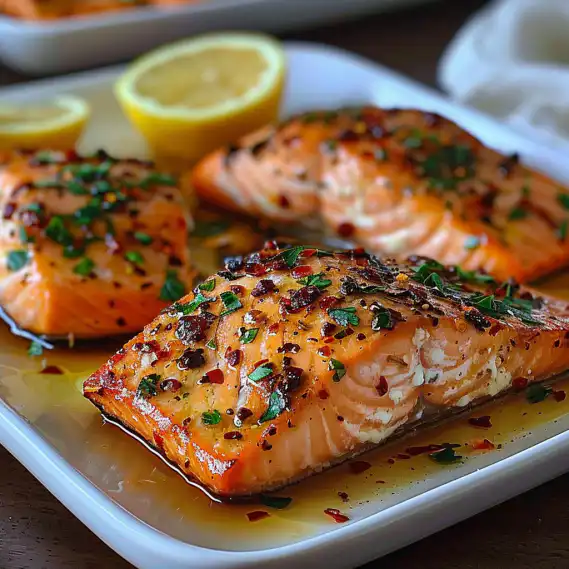
Leftover Ideas
- Salmon Salad: Flake the cold salmon into a bowl, then mix with mayonnaise, finely chopped celery, red onion, a squeeze of lemon juice, and a pinch of salt and pepper. Serve on lettuce cups, in sandwiches, or over crackers for a quick and tasty lunch. You can also add a bit of Dijon mustard for extra tang, or some fresh dill for an extra herbaceous kick.
- Salmon Tacos or Wraps: Gently flake the salmon and add it to warm tortillas or wraps along with your favorite toppings like shredded lettuce, diced tomatoes, avocado, salsa, and a dollop of sour cream or Greek yogurt. This is a highly adaptable meal base.
- Salmon Pasta Salad: Chop the salmon into bite-sized pieces and toss with cooked pasta, cherry tomatoes, cucumber, capers, and a light lemon-herb vinaigrette. It’s a refreshing and satisfying pasta salad that works well for picnics or a light dinner.
- On Top of Salads: Flake cold salmon over your favorite green salads for added protein and flavor. It pairs wonderfully with almost any salad dressing. Consider a spinach salad with bacon bits and a warm vinaigrette or a mixed greens salad with berries and nuts.
- Salmon Patties or Cakes: Mash the salmon with a binder like breadcrumbs, egg, and seasonings, then form into patties and pan-fry until golden brown. These are delicious served on a bun or alongside a fresh salad. You can also add chopped herbs like parsley or chives to the mixture for added flavor.
- Salmon Fried Rice: Dice the leftover salmon and add it to your favorite fried rice recipe during the last few minutes of cooking. It adds a wonderful richness and protein boost to a weeknight staple.
- Added to Scrambled Eggs or Omelets: Stir flaked salmon into scrambled eggs or fold it into an omelet for a protein-packed breakfast or brunch. It’s a surprisingly decadent addition that pairs well with herbs like chives or dill.
Getting creative with leftovers ensures that every last bit of this delicious salmon is enjoyed.
Texas Roadhouse Style Baked Salmon Recipe – Easy 25 Minute Dinner
- Total Time: 25 minutes
- Yield: 4–6 servings 1x
Description
Enjoy a delicious and easy Texas Roadhouse-style baked salmon at home in just 25 minutes! This recipe features a simple spice blend for a flavorful, flaky salmon perfect for any weeknight.
Ingredients
- 1.5 to 2 pounds salmon fillet (skin on or off, your preference)
- 2 tablespoons olive oil
- 1 tablespoon melted butter
- 1 teaspoon garlic powder
- 1 teaspoon onion powder
- 1 teaspoon paprika
- 1/2 teaspoon dried dill
- 1/4 teaspoon salt
- 1/4 teaspoon black pepper
- Optional: Lemon wedges for serving
Instructions
- 1. Preheat your oven to 400°F (200°C). Lightly grease a baking dish or line with parchment paper.
- 2. Pat the salmon fillet dry with paper towels.
- 3. In a small bowl, whisk together garlic powder, onion powder, paprika, dried dill, salt, and black pepper.
- 4. Place salmon in the prepared dish. Drizzle with olive oil and melted butter, then spread evenly.
- 5. Sprinkle the spice mixture evenly over the salmon and gently press to adhere.
- 6. Bake for 12-18 minutes, or until the salmon flakes easily with a fork and reaches an internal temperature of 145°F (63°C).
- 7. Let rest for a few minutes before serving with lemon wedges if desired.
Notes
Store cooled leftovers in an airtight container in the refrigerator for up to 2-3 days. Reheat gently in the oven or on the stovetop.
- Prep Time: 10 minutes
- Cook Time: 15 minutes
- Category: Main Course
- Method: Baking
- Cuisine: American
Nutrition
- Serving Size: 1 serving (approx. 4-6 oz)
- Calories: Approx. 250-350 (depending on salmon fat content)
- Sugar: 0g
- Sodium: Approx. 150-250mg (depending on added salt)
- Fat: Approx. 15-25g
- Carbohydrates: Approx. 1-2g
- Fiber: 0g
- Protein: Approx. 30-40g
1 thought on “Texas Roadhouse Style Baked Salmon Recipe – Easy 25 Minute Dinner”