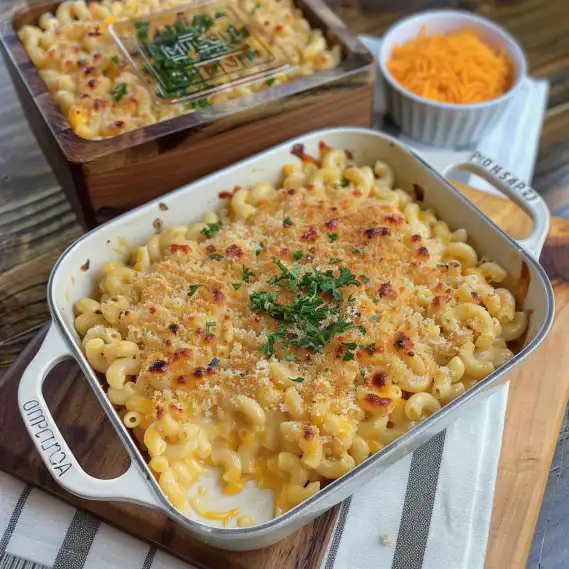
This recipe offers a satisfying twist on a classic comfort food, boosting the protein content without sacrificing the creamy, cheesy goodness you crave, making it a go-to for a more wholesome meal.
Why This High Protein Mac and Cheese Works
The magic behind this elevated mac and cheese lies in a clever ingredient swap. By incorporating cottage cheese into the sauce, we introduce a significant protein punch that blends seamlessly into the creamy texture, becoming virtually undetectable to the palate while significantly enhancing the nutritional profile of this beloved dish.
Ingredients
- 1 pound elbow macaroni (or your preferred pasta shape like cavatappi, shells, or rotini for extra sauce-holding nooks)
- 1 cup cottage cheese (full-fat or 2% works best for creaminess; avoid fat-free if you can for better texture)
- 1/2 cup milk (whole or 2% recommended for richness; any milk will work in a pinch)
- 4 ounces (about 1 cup shredded) sharp cheddar cheese (a good quality, flavorful cheddar makes a big difference)
- 4 ounces (about 1 cup shredded) Monterey Jack cheese (for meltability and a milder, creamy base)
- 2 tablespoons unsalted butter
- 2 tablespoons all-purpose flour (this is for the roux, which thickens our sauce)
- 1/2 teaspoon salt (or to taste)
- 1/4 teaspoon black pepper (freshly ground is always best)
- Pinch of nutmeg (optional, but it really elevates cheesy sauces)
- Optional additions for flavor and texture:
- 1/4 teaspoon garlic powder
- 1/4 teaspoon onion powder
- A dash of Dijon mustard
- Pinch of cayenne pepper for a slight kick
Gathering all your ingredients before you begin cooking is a practice that home cooks of all levels can appreciate, as it streamlines the entire process and helps prevent any last-minute rushes or forgotten elements. This is especially true for a dish like mac and cheese, where timing can play a role in achieving the perfect creamy consistency.
Here’s another great option: Mac & Cheese with Chicken
How to Make It
- Cook the pasta: Bring a large pot of salted water to a rolling boil. Add the elbow macaroni and cook according to package directions, or until al dente. Drain the pasta and set aside, reserving about 1 cup of the pasta water. While the pasta cooks, you can prepare the sauce. This multitasking approach saves time and gets dinner on the table that much quicker.
- Make the roux: In a medium saucepan over medium heat, melt the butter. Once melted, whisk in the flour. Cook, whisking constantly, for 1 to 2 minutes. This step cooks out the raw flour taste and creates a smooth thickening base for our sauce. It should form a paste-like consistency. Don’t let it brown too much unless you’re aiming for a darker sauce, which isn’t typical for classic mac and cheese.
- Add the milk: Gradually whisk in the milk, a little at a time, ensuring each addition is fully incorporated before adding more. This prevents lumps and results in a silky smooth sauce. Continue whisking until the sauce thickens slightly and is smooth. This should take about 2-3 minutes.
- Blend the cottage cheese: While the sauce base is thickening, transfer the cottage cheese to a blender or use an immersion blender. Blend until completely smooth and creamy. This is the key step to ensuring no cottage cheese texture remains in your final dish. You want a smooth, dairy-like consistency.
- Incorporate the cottage cheese: Add the blended cottage cheese to the saucepan with the milk mixture. Whisk until thoroughly combined.
- Melt in the cheese: Reduce the heat to low. Add the shredded cheddar and Monterey Jack cheeses to the sauce, a handful at a time, stirring constantly until each addition is melted and the sauce is smooth and luscious. Don’t rush this process; low heat is crucial to prevent the cheese from becoming oily or grainy.
- Season the sauce: Stir in the salt, pepper, and nutmeg (if using). Taste and adjust seasonings as needed. Add any optional garlic powder, onion powder, Dijon mustard, or cayenne pepper at this stage. The sauce should be well-seasoned before combining with the pasta. Remember that the pasta itself will absorb some of the salt from the cooking water, so season accordingly.
- Combine pasta and sauce: Add the drained pasta to the cheesy sauce. Toss gently to coat every piece of pasta evenly. If the sauce seems a bit thick, gradually stir in some of the reserved pasta water, a tablespoon at a time, until you reach your desired consistency. The starch in the pasta water helps to emulsify the sauce and adds a glossy finish.
- Serve: Ladle the high protein mac and cheese into bowls immediately.
This simple, step-by-step process allows you to transform humble ingredients into a comforting and protein-boosted meal in under 30 minutes of active cooking time, making it an achievable weeknight dinner option that doesn’t compromise on taste or texture.
Nutrition at a Glance
- Increased Protein Content: The addition of cottage cheese significantly boosts the protein per serving compared to traditional mac and cheese. This makes it a more filling option and can contribute to muscle building and repair.
- Balanced Macronutrients: While still a source of carbohydrates from the pasta, the increased protein and healthy fats from the cheese and milk create a more balanced nutritional profile.
- Good Source of Calcium: Dairy products like cottage cheese, milk, and cheddar cheese are excellent sources of calcium, essential for bone health.
- Potentially Lower in Fat (depending on cheese/milk choice): By using 2% cottage cheese and milk, you can reduce the overall fat content while still achieving a creamy sauce. However, indulging in full-fat options will still yield a richer, more decadent result.
- Satisfying and Filling: The combination of protein and complex carbohydrates makes this dish incredibly satisfying, helping you feel fuller for longer and potentially reducing the urge for unhealthy snacking later.
It’s important to note that exact nutritional values can vary based on the specific brands of ingredients used, the type of milk and cottage cheese chosen (full-fat vs. low-fat), and the precise amount of cheese added.
How to Serve It
- As a Main Course: Serve large portions in bowls. It’s a complete meal on its own, offering a good balance of protein, carbohydrates, and fats.
- With a Side Salad: A crisp green salad with a vinaigrette dressing provides a refreshing contrast to the creamy richness of the mac and cheese.
- Alongside Roasted Vegetables: Broccoli, asparagus, or Brussels sprouts roasted with a little olive oil and seasoning complement the dish nicely.
- With Grilled Chicken or Fish: For an extra protein boost or when serving lighter eaters, a small portion of grilled chicken breast or a flaky piece of fish makes a great accompaniment.
- Toppings: Consider a sprinkle of fresh parsley, chives, a dash of hot sauce, or a dusting of extra shredded cheese before serving. A sprinkle of panko breadcrumbs toasted in a dry pan or with a little butter can add a delightful crunchy texture.
Serving this dish hot is always the best way to enjoy its creamy texture and assembled flavors. The heat helps to keep the sauce fluid and the cheese melty. When plating, ensure a good distribution of both pasta and sauce. A simple garnish can elevate the presentation from homey to restaurant-style.
Common Mistakes
- Not Blending Cottage Cheese Smoothly: This is crucial. If the cottage cheese isn’t blended until completely smooth, you’ll end up with a grainy texture instead of a creamy sauce.
- Overcooking the Pasta: Mushy pasta will detract from the overall texture of the dish. Cook it until it’s just al dente, as it will continue to cook slightly when mixed with the hot sauce.
- Using Low-Quality Cheese: Bland or low-quality cheese will result in a less flavorful sauce. Opt for a good sharp cheddar for best results.
- Heating the Sauce Too High After Adding Cheese: High temperatures can cause cheese to separate and become oily or grainy. Always melt cheese over low heat, stirring constantly.
- Not Tasting and Adjusting Seasoning: Salt and pepper are essential. Don’t be afraid to taste the sauce before adding the pasta and adjust seasonings to your preference. The pasta water adds a little saltiness, so account for that.
- Adding Pasta to a Boiling Sauce: When combining the pasta and sauce, ensure the sauce is warm but not actively boiling. Adding cold pasta to a very hot sauce can cause the sauce to seize up.
Taking the time to properly blend the cottage cheese is perhaps the most vital step in achieving a silky smooth sauce. A high-powered blender or a good quality immersion blender is your best friend here. If you don’t have either, you can try pressing the cottage cheese through a fine-mesh sieve with the back of a spoon, though this is more labor-intensive.

Storage and Reheating
- Storage: Allow the mac and cheese to cool slightly at room temperature before transferring it to an airtight container. Store in the refrigerator for up to 3-4 days.
- Reheating on the Stovetop: This is often the best method for maintaining creaminess. Place the mac and cheese in a saucepan over low heat. Add a splash of milk or water and stir gently until heated through and creamy.
- Reheating in the Oven: Transfer the mac and cheese to an oven-safe dish. Cover loosely with foil. Bake at 350°F (175°C) for 15-20 minutes, or until heated through. You may want to uncover for the last few minutes if a slightly crispier top is desired. Adding a splash of milk or a small knob of butter on top before reheating can help prevent it from drying out.
- Reheating in the Microwave: For a quick reheat, place a portion in a microwave-safe dish. Cover loosely with a damp paper towel (this helps keep it moist). Heat in 30-60 second intervals, stirring in between, until hot. Be cautious not to overheat, which can make the sauce gummy.
When storing leftovers, it’s always a good idea to let the dish cool down to a safe temperature before sealing the container. This helps prevent condensation from forming inside the container, which can affect the texture of the cheese sauce.
Leftover Ideas
- Mac and Cheese Bites: Mix in a beaten egg and some breadcrumbs, then form into small patties or balls. Pan-fry or bake until golden brown and crispy. Serve with a dipping sauce.
- Mac and Cheese Casserole Topping: Use the leftover mac and cheese as a topping for a shepherd’s pie or a baked chicken casserole.
- Stuffed Bell Peppers: Mix the mac and cheese with some cooked ground meat, corn, or beans. Stuff into hollowed-out bell peppers and bake until the peppers are tender.
- Grilled Cheese Upgrade: Add a layer of leftover mac and cheese between slices of bread with some extra cheese for an incredibly decadent grilled cheese sandwich.
- Frittata or Savory Bread Pudding: Fold the mac and cheese into a frittata batter or use it as the base for a savory bread pudding, adding other ingredients like cooked vegetables or bacon for extra flavor.
Don’t let those delicious leftovers go to waste! Here are some creative ways to reimagine your high protein mac and cheese.
Making High Protein Mac and Cheese That Tastes Great
- Total Time: 30 minutes
- Yield: 6 servings 1x
- Diet: Vegetarian
Description
A creamy, satisfying mac and cheese recipe that sneaks in extra protein without compromising flavor. Perfect for a wholesome comfort food meal.
Ingredients
- 1 pound elbow macaroni
- 1 cup cottage cheese
- 1/2 cup milk
- 4 ounces sharp cheddar cheese, shredded
- 4 ounces Monterey Jack cheese, shredded
- 2 tablespoons unsalted butter
- 2 tablespoons all-purpose flour
- 1/2 teaspoon salt
- 1/4 teaspoon black pepper
- Pinch of nutmeg (optional)
- Optional: 1/4 teaspoon garlic powder, 1/4 teaspoon onion powder, dash of Dijon mustard, pinch of cayenne pepper
Instructions
- 1. Cook pasta according to package directions until al dente; drain, reserving 1 cup pasta water.
- 2. Melt butter in a saucepan over medium heat. Whisk in flour and cook for 1-2 minutes to form a roux.
- 3. Gradually whisk in milk until smooth and slightly thickened.
- 4. Blend cottage cheese until completely smooth.
- 5. Add blended cottage cheese to the saucepan and whisk to combine.
- 6. Reduce heat to low. Add shredded cheeses gradually, stirring until melted and smooth.
- 7. Stir in salt, pepper, nutmeg, and any optional seasonings. Taste and adjust.
- 8. Add drained pasta to the sauce and toss to coat. Stir in reserved pasta water, a tablespoon at a time, if needed to reach desired consistency.
- 9. Serve immediately.
Notes
Store leftovers in an airtight container in the refrigerator for up to 3-4 days. Reheat gently on the stovetop with a splash of milk/water, in the oven covered, or in the microwave with a damp paper towel. For best results, reheat on the stovetop.
- Prep Time: 10 minutes
- Cook Time: 20 minutes
- Category: Main Course
- Method: Stovetop
- Cuisine: American
Nutrition
- Serving Size: 1 serving
- Calories: Approx. 450-550 (varies by ingredients)
- Sugar: Approx. 5-8g (varies by ingredients)
- Sodium: Approx. 500-800mg (varies by ingredients)
- Fat: Approx. 20-30g (varies by ingredients)
- Carbohydrates: Approx. 50-60g (varies by ingredients)
- Fiber: Approx. 3-5g (varies by ingredients)
- Protein: Approx. 25-35g (varies by ingredients)