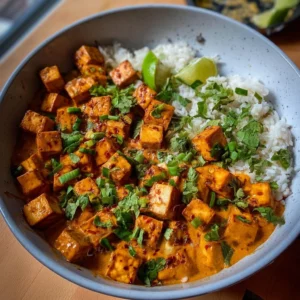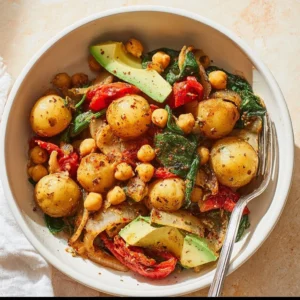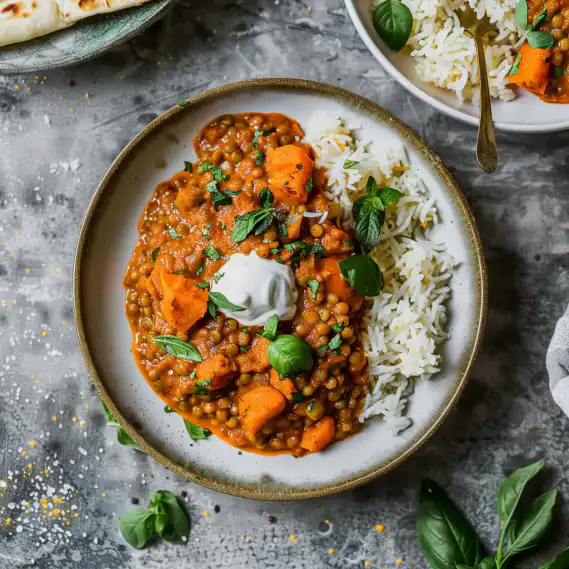
Sweet Potato and Lentil Tikka Masala is definitely one of them. It’s a recipe I’ve come back to time and time again, especially when I’m looking for something hearty, nourishing, and incredibly satisfying without a lot of hands-on fuss.
Why This Sweet Potato and Lentil Tikka Masala Works
This dish is a testament to the power of slow cooking for developing deep, complex flavors with minimal effort. The sweetness of the sweet potatoes melds beautifully with the earthy lentils and the aromatic spices, creating a comforting and wholesome meal.
Ingredients
- 1 tablespoon olive oil or coconut oil
- 1 large yellow onion, chopped
- 3 cloves garlic, minced
- 1 tablespoon grated fresh ginger
- 1 teaspoon ground cumin
- 1 teaspoon ground coriander
- 1 teaspoon garam masala
- ½ teaspoon turmeric powder
- ¼ teaspoon cayenne pepper (or to taste)
- ½ teaspoon salt, plus more to taste
- 1 (15-ounce) can diced tomatoes, undrained
- 1 (13.5-ounce) can full-fat coconut milk
- 1 cup vegetable broth
- 1 large sweet potato (about 1 pound), peeled and cut into 1-inch cubes
- 1 cup dried red lentils, rinsed
- 1 cup baby spinach (optional)
- Fresh cilantro, for garnish
- Cooked rice or naan, for serving
With your ingredient list in hand, let’s move on to the preparation steps.
How to Make It
- Heat the olive oil in a large skillet or pot over medium heat. Add the chopped onion and cook until softened and translucent, about 5-7 minutes.
- Add the minced garlic and grated ginger to the skillet. Cook for another minute until fragrant, being careful not to burn them.
- Stir in the cumin, coriander, garam masala, turmeric, cayenne pepper, and ½ teaspoon of salt. Cook for 30 seconds, stirring constantly, until the spices are fragrant. This blooming of the spices in oil intensifies their flavor.
- Transfer the onion mixture to your slow cooker. Add the undrained diced tomatoes, full-fat coconut milk, and vegetable broth. Stir to combine.
- Add the cubed sweet potato and rinsed red lentils to the slow cooker. Stir everything together to ensure the sweet potatoes and lentils are submerged in the liquid.
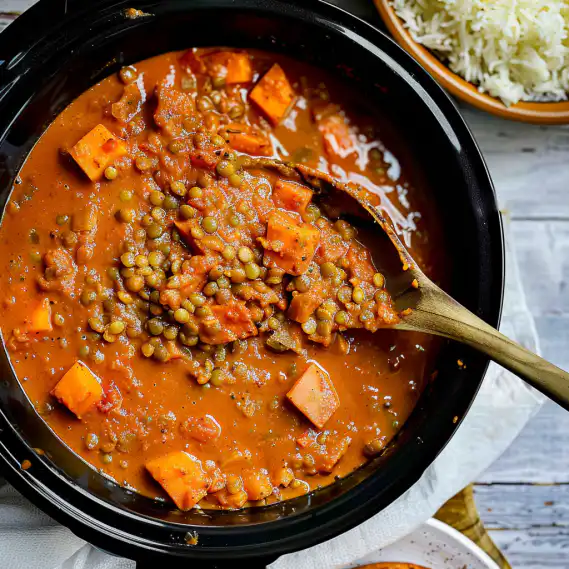
- Cover the slow cooker and cook on low for 6-8 hours, or on high for 3-4 hours, until the sweet potatoes are tender and the lentils are cooked through and have thickened the sauce.
- About 10 minutes before serving, stir in the baby spinach, if using. Let it wilt into the hot curry.
- Taste and adjust seasoning, adding more salt if needed. The flavors will have melded beautifully, but a little extra salt can often brighten everything up.
This straightforward process brings together humble ingredients into a show-stopping meal, and you’ve successfully navigated the main part of the recipe.
Nutrition at a Glance
- Rich in Fiber: Sweet potatoes and lentils are excellent sources of dietary fiber, which aids digestion and promotes a feeling of fullness.
- Vitamin A: Sweet potatoes are famously high in beta-carotene, which your body converts to Vitamin A, crucial for vision, immune function, and skin health.
- Plant-Based Protein: Lentils provide a significant amount of plant-based protein, making this a satisfying and filling meal, especially for those following a vegan or vegetarian diet.
- Antioxidants: The combination of spices like turmeric and ginger, along with the sweet potatoes and tomatoes, offers a good dose of antioxidants that can help combat cellular damage.
- Complex Carbohydrates: The sweet potatoes and lentils offer complex carbohydrates, providing sustained energy throughout the day.
- Healthy Fats: The full-fat coconut milk contributes healthy fats that help in the absorption of fat-soluble vitamins and add a creamy texture and richness to the dish.
- Iron: Lentils are also a good source of iron, which is important for oxygen transport in the blood.
- Potassium: Sweet potatoes and lentils contain potassium, an important electrolyte that helps regulate blood pressure.
- Low in Saturated Fat (when made with light coconut milk, though full-fat is recommended for texture): While full-fat coconut milk is used for best results, the overall meal remains a heart-healthy choice with moderate fat content.
This information provides a helpful understanding of the nutritional benefits of this naturally wholesome dish.
How to Serve It
- With Steamed Rice: A classic pairing, fluffy basmati or jasmine rice is perfect for soaking up the delicious sauce. Brown rice adds a nuttier flavor and extra fiber.
- Alongside Naan or Roti: Warm, leavened Indian flatbreads like naan or whole wheat roti are ideal for scooping up every last bit of the curry. Grilling or toasting them slightly adds a lovely char.
- Topped with Fresh Cilantro: A generous sprinkle of freshly chopped cilantro adds a bright, herbaceous counterpoint to the rich, spiced curry. Its freshness lifts the entire dish.
- A Dollop of Vegan Yogurt: For a cooling element and a touch of tang, a small dollop of plain, unsweetened vegan yogurt (coconut or soy-based) is a welcome addition. It helps to balance the spice.
- A Squeeze of Lime or Lemon: A little acidity can go a long way. A squeeze of fresh lime or lemon juice just before serving brightens all the flavors and adds a zesty finish.
- With a Side of Cucumber Raita (Vegan): If you’re feeling ambitious, a cool, dairy-free raita made with vegan yogurt, grated cucumber, and a hint of mint or cumin makes for a refreshing side.
- Garnished with Toasted Nuts or Seeds: For an added crunch and a nutty flavor, consider a sprinkle of toasted cashews, almonds, or pumpkin seeds. These additions bring an interesting textural contrast.
- With Fresh Greens: A simple side salad or some steamed greens can add a fresh, crisp element to the meal, providing a contrast to the richness of the tikka masala.
- As a Filling for Wraps: Once cooled slightly, this curry can be a wonderfully hearty filling for whole wheat wraps or pitas, making for an easy portable lunch.
Choosing your accompaniments wisely can transform this already delicious dish into a truly memorable meal, catering to your preferences and dietary needs.
Common Mistakes
- Not Rinsing the Lentils: Red lentils can sometimes have a powdery coating or small debris. Rinsing them under cold water until the water runs clear not only cleans them but also helps prevent a gummy texture in the final dish.
- Overcrowding the Slow Cooker: While this recipe uses a standard slow cooker size, ensure your ingredients aren’t packed in too tightly. The contents need room to circulate and cook evenly.
- Skipping the Initial Sauté: Toasting the spices in oil with the onions, garlic, and ginger at the beginning is crucial. This “blooming” process unlocks their full flavor potential. Sautéing them first truly makes a difference in the depth and aroma of the finished curry.
- Using Too Little Liquid: Lentils absorb a significant amount of liquid as they cook and thicken. If you find the curry too thick towards the end of cooking, don’t hesitate to add a little more vegetable broth or water to reach your desired consistency.
- Under-seasoning: The spices are key, but salt is a flavor enhancer. It’s easy to be conservative with salt, but tasting and adjusting at the end is vital.
- Using Water Instead of Broth: While water can be used, vegetable broth adds an extra layer of savory flavor that enhances the overall complexity of the tikka masala.
- Not Cooking Long Enough: For that slow-cooked depth of flavor, patience is key. Ensure the sweet potatoes are fork-tender and the lentils have broken down sufficiently to thicken the sauce. Rushing the process will result in a less developed flavor profile.
- Forgetting the Garnish: While they might seem optional, garnishes like fresh cilantro and a squeeze of lime juice add freshness and brightness that truly elevate the dish. They provide a final flourish that balances the richness.
Avoiding these common pitfalls will set you on the path to a consistently delicious batch of this comforting curry.
Try this recipe too: lentil, chickpea and cauliflower dahl recipe
Storage and Reheating
- Storage: Once cooled completely, transfer the tikka masala to airtight containers. Store in the refrigerator for up to 4-5 days. The flavors tend to meld and deepen even further overnight, making leftovers often even more delicious.
- Freezing: This curry freezes beautifully. Portion it into freezer-safe containers or heavy-duty freezer bags. It can be stored in the freezer for up to 3 months. Ensure it is completely cooled before freezing.
- Reheating on the Stovetop: For the best results, reheat gently on the stovetop. Transfer the desired portion to a saucepan, add a splash of vegetable broth or water to loosen it up if needed, and heat over medium-low heat, stirring occasionally, until heated through.
- Reheating in the Microwave: Microwave-safe containers are convenient for reheating. Place the tikka masala in a microwave-safe dish, cover loosely, and heat on medium power, stirring every minute or two, until thoroughly heated.
- Reheating from Frozen (Stovetop): If reheating from frozen on the stovetop, it’s best to let the curry thaw in the refrigerator overnight first. If not thawed, you can reheat directly from frozen, but it will take longer and require more liquid to prevent sticking.
- Reheating from Frozen (Microwave): Frozen portions can be thawed in the microwave on the defrost setting or by heating in short intervals. Once thawed, heat as you would refrigerated leftovers.
- Maintaining Consistency: When reheating, especially if the curry has thickened considerably, a tablespoon or two of water or vegetable broth can help restore its original creamy consistency.
With these simple guidelines, you can enjoy this flavorful dish for days to come, minimizing waste and maximizing convenience.
Leftover Ideas
- Curried Shepherd’s Pie: Use the leftover tikka masala as the base for a vegetarian shepherd’s pie. Top it with a creamy mashed sweet potato or regular potato topping and bake until golden and bubbly. This is a personal favorite for a comforting, hearty meal.
- Savory Lentil Pancakes/Fritters: Mix leftover tikka masala with a little chickpea flour or whole wheat flour and a bit of baking powder. Pan-fry spoonfuls to create savory pancakes or fritters. These are fantastic on their own or served with a side salad.
- Stuffed Bell Peppers: Mix the leftover tikka masala with cooked quinoa or brown rice. Halve and seed bell peppers, fill them with the mixture, and bake until the peppers are tender and the filling is heated through.
- Hearty Soup Booster: Stir a generous portion of the leftover tikka masala into a vegetable broth-based soup or a simple lentil soup. It will add a depth of flavor, spice, and creaminess that transforms a basic soup into something special.
- Quick Lunch Bowls: Combine leftover tikka masala with a base of cooked grains like quinoa or brown rice, add some fresh greens, a sprinkle of seeds, and a dollop of vegan yogurt for a quick, satisfying, and nutritious lunch bowl.
- Savory Oatmeal: For an unconventional but surprisingly delicious option, stir some of the tikka masala into cooked oatmeal. It creates a savory breakfast or brunch that’s packed with flavor and nutrients, especially after adding some fresh herbs.
- Curried Sandwiches or Wraps: Mash the leftovers slightly and use them as a flavorful filling for sandwiches or wraps. Add some shredded lettuce, cucumber, or a smear of vegan mayo for extra texture and taste.
- Baked Sweet Potato Topping: Simply bake a whole sweet potato until tender, split it open, and top generously with warmed leftover tikka masala. It’s a simple yet incredibly satisfying meal that feels like a treat.
These ideas are just a starting point to inspire you to make the most of every last spoonful of this wonderfully adaptable curry, ensuring no delicious bits go to waste.
PrintSlow Cooker Sweet Potato and Lentil Tikka Masala (Vegan)
- Total Time: 3 hours 20 minutes – 8 hours 20 minutes
- Yield: 6 servings 1x
- Diet: Vegan
Description
A comforting, flavorful, and easy Slow Cooker Sweet Potato and Lentil Tikka Masala recipe that’s entirely vegan. Perfect for a healthy and satisfying meal.
Ingredients
- 1 tablespoon olive oil or coconut oil
- 1 large yellow onion, chopped
- 3 cloves garlic, minced
- 1 tablespoon grated fresh ginger
- 1 teaspoon ground cumin
- 1 teaspoon ground coriander
- 1 teaspoon garam masala
- ½ teaspoon turmeric powder
- ¼ teaspoon cayenne pepper (or to taste)
- ½ teaspoon salt, plus more to taste
- 1 (15-ounce) can diced tomatoes, undrained
- 1 (13.5-ounce) can full-fat coconut milk
- 1 cup vegetable broth
- 1 large sweet potato (about 1 pound), peeled and cut into 1-inch cubes
- 1 cup dried red lentils, rinsed
- 1 cup baby spinach (optional)
- Fresh cilantro, for garnish
- Cooked rice or naan, for serving
Instructions
- 1. Heat the olive oil in a large skillet or pot over medium heat. Add the chopped onion and cook until softened and translucent, about 5-7 minutes.
- 2. Add the minced garlic and grated ginger to the skillet. Cook for another minute until fragrant, being careful not to burn them.
- 3. Stir in the cumin, coriander, garam masala, turmeric, cayenne pepper, and ½ teaspoon of salt. Cook for 30 seconds, stirring constantly, until the spices are fragrant.
- 4. Transfer the onion mixture to your slow cooker. Add the undrained diced tomatoes, full-fat coconut milk, and vegetable broth. Stir to combine.
- 5. Add the cubed sweet potato and rinsed red lentils to the slow cooker. Stir everything together to ensure the sweet potatoes and lentils are submerged in the liquid.
- 6. Cover the slow cooker and cook on low for 6-8 hours, or on high for 3-4 hours, until the sweet potatoes are tender and the lentils are cooked through and have thickened the sauce.
- 7. About 10 minutes before serving, stir in the baby spinach, if using. Let it wilt into the hot curry.
- 8. Taste and adjust seasoning, adding more salt if needed. Serve hot, garnished with fresh cilantro, alongside cooked rice or naan.
Notes
Storage: Store cooled curry in airtight containers in the refrigerator for up to 4-5 days. Freezing: Freeze portions in freezer-safe containers for up to 3 months. Reheat gently on the stovetop or in the microwave, adding a splash of liquid if needed.
- Prep Time: 20 minutes
- Cook Time: 3-8 hours
- Category: Main Course
- Method: Slow Cooker
- Cuisine: Indian-Inspired
Nutrition
- Serving Size: 1 serving
- Calories: Approximately 350-400 calories (will vary based on specific ingredients)
- Sugar: 10-15g (will vary)
- Sodium: Varies greatly based on broth and added salt
- Fat: 15-20g (will vary)
- Carbohydrates: 40-50g (will vary)
- Fiber: 8-12g (will vary)
- Protein: 10-15g (will vary)