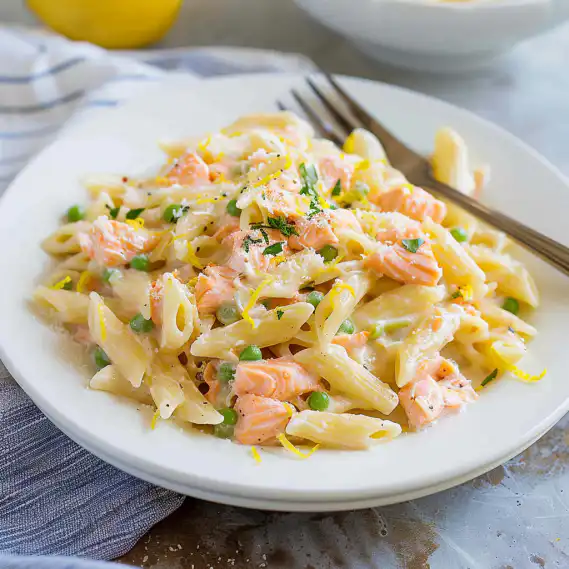
There are certain meals that, no matter how many times I make them, always feel like a breath of fresh air. This salmon and pea pasta falls squarely into that category.
Why This Salmon & Pea Pasta Works
This salmon and pea pasta is a consistent winner in my kitchen because it masterfully balances simple, fresh ingredients with a surprisingly rich and comforting sauce.
Ingredients
- 1 tablespoon olive oil
- 1 pound salmon fillets, skin removed and cut into bite-sized pieces
- Salt and freshly ground black pepper to taste
- 8 ounces pasta of your choice (linguine, fettuccine, or penne work well)
- 2 cups fresh or frozen peas
- 2 cloves garlic, minced
- 1/2 cup heavy cream
- 1/4 cup grated Parmesan cheese, plus more for serving
- 2 tablespoons fresh lemon juice
- 1 teaspoon lemon zest
- Fresh parsley, chopped, for garnish (optional)
Gathering these ingredients is the first step to creating this delightful dish. Having everything prepped and ready makes the cooking process smooth and efficient, allowing you to focus on the flavors as they meld together.
How to Make It
- Cook the Salmon: Heat the olive oil in a large skillet over medium-high heat. Season the salmon pieces generously with salt and pepper. Add the salmon to the hot skillet and cook for about 2-3 minutes per side, until lightly browned and just cooked through.
- Cook the Pasta: While the salmon is cooking, bring a large pot of salted water to a boil. Add the pasta and cook according to package directions until al dente. Before draining, reserve about 1 cup of the pasta water. Drain the pasta and set aside.
- Sauté Aromatics: In the same skillet you used for the salmon (no need to clean it), add the minced garlic. Cook for about 30-60 seconds over medium heat until fragrant, being careful not to burn it.
- Add Peas and Cream: Add the peas (if using frozen, no need to thaw) to the skillet with the garlic. Cook for 1-2 minutes until the peas are bright green and tender. Pour in the heavy cream and bring to a gentle simmer.
- Create the Sauce: Stir in the grated Parmesan cheese. Let the sauce simmer for another 1-2 minutes, stirring occasionally, until it thickens slightly. Season with salt and pepper to your liking.
- Combine Everything: Add the cooked pasta, cooked salmon, lemon juice, and lemon zest to the skillet with the sauce. Toss gently to combine, ensuring everything is coated in the creamy lemon sauce.
- Serve: Divide the pasta among bowls. Garnish with fresh chopped parsley and extra Parmesan cheese, if desired. Serve immediately and enjoy the fresh, creamy flavors.
This process, from searing the salmon to tossing everything together, results in a harmonious symphony of textures and tastes.
Nutrition at a Glance
- Protein: Salmon is an excellent source of high-quality protein, essential for muscle repair and overall bodily function.
- Healthy Fats: Rich in omega-3 fatty acids, salmon contributes to heart health and has anti-inflammatory properties.
- Vitamins and Minerals: Peas offer vitamin C, vitamin K, and fiber. Lemon provides vitamin C and antioxidants.
- Carbohydrates: Pasta provides the energy base for the meal, and whole wheat options can boost fiber content.
- Calcium: Parmesan cheese contributes calcium, important for bone health.
- Energizing: This meal offers a good balance of macronutrients, providing sustained energy without feeling heavy.
Understanding the nutritional components of this dish is a great way to appreciate its value as a well-rounded meal. It’s not just about taste; it’s about fueling your body with wholesome ingredients that offer a range of health benefits.
How to Serve It
- In a large bowl, artfully arrange the salmon and pea pasta.
- Garnish generously with a sprinkle of freshly chopped parsley, adding a vibrant green contrast and a hint of herbaceousness.
- Offer an extra dusting of grated Parmesan cheese at the table, allowing individuals to customize their portion.
- A simple side salad with a light vinaigrette complements the richness of the pasta beautifully.
- Consider serving with crusty bread to soak up any lingering, delectable sauce.
Presenting this dish allows its vibrant colors and appealing textures to shine. The simple garnishes elevate its appearance, making it look as good as it tastes. Serving it piping hot ensures that the flavors are at their peak, and the creamy sauce is luxuriously smooth.
Common Mistakes
- Overcooking the Salmon: Salmon can quickly go from perfectly flaky to dry and tough. Cook it just until it’s opaque and flakes easily, remembering it will continue to cook slightly in the warm sauce.
- Using Stale Lemons: The bright, zesty flavor is crucial. Make sure your lemons are fresh; they should feel firm and heavy for their size.
- Not Salting the Pasta Water: Properly salted water is key to flavoring the pasta from the inside out. Aim for water that tastes like the sea.
- Rinsing Cooked Pasta: Avoid rinsing your pasta after draining. The starch on the pasta helps the sauce cling to it.
- Adding Too Much Liquid at Once: When thinning the sauce, add reserved pasta water gradually to achieve the ideal consistency instead of making it too watery from the start.
- Burning the Garlic: Garlic burns quickly. Keep the heat moderate and stir it constantly, removing it from the heat if it seems to be browning too fast.
Adhering to these simple guidelines can significantly improve the outcome of your salmon and pea pasta. These aren’t complex culinary techniques, but rather small details that collectively contribute to a more successful and enjoyable cooking experience.
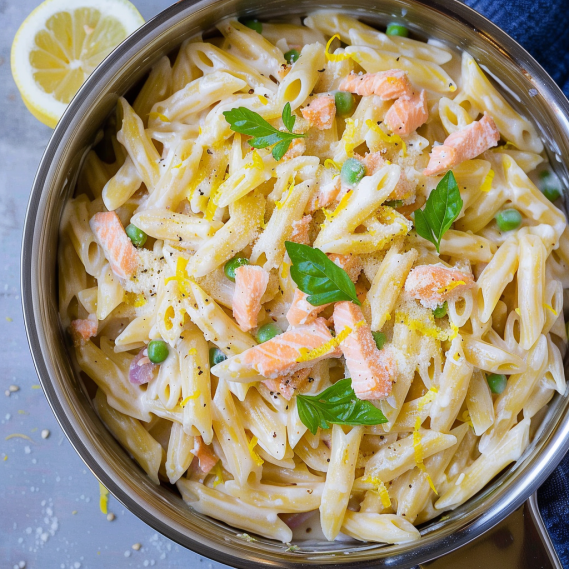
Storage and Reheating
- Refrigerate Promptly: Once cooled, store any leftover salmon and pea pasta in an airtight container in the refrigerator. It’s best consumed within 2-3 days.
- Reheating on the Stovetop: For the best results, gently reheat the pasta in a skillet over low to medium heat. Add a splash of water, milk, or cream to help loosen the sauce and prevent it from drying out. Stir frequently until heated through.
- Microwave Reheating: Alternatively, you can reheat smaller portions in the microwave. Place the pasta in a microwave-safe dish, cover loosely, and heat in 30-second intervals, stirring in between, until warm. Again, a little liquid can help maintain moisture.
- Avoid Overheating: Be mindful not to overheat the pasta, as this can cause the salmon to become dry and the sauce to separate.
Proper storage and reheating are crucial for maintaining the quality and taste of your delicious salmon and pea pasta. Nobody enjoys leftovers that have lost their appeal. My approach is always to preserve as much of that fresh-from-the-pan texture and flavor as possible.
Here’s another great option: Baked Boursin Salmon
Leftover Ideas
- Pasta Salad: Allow the pasta to cool completely, then toss it with chopped fresh vegetables like cucumbers, bell peppers, and cherry tomatoes. A light lemon-herb vinaigrette would be a lovely addition instead of the creamy sauce.
- Frittata or Quiche Addition: Chop the leftover pasta and salmon, then incorporate it into an egg mixture for a flavorful frittata or a savory quiche. The lemon and pea flavors will be a welcome surprise.
- Savory Pancakes/Fritters: Mix the chopped leftovers with a bit of flour, egg, and perhaps some breadcrumbs to form patties. Pan-fry them until golden brown for a unique appetizer or light meal.
- Stuffed Bell Peppers: Blend the leftovers with some cooked rice or quinoa and a binder like a touch of tomato sauce or béchamel. Stuff into bell peppers and bake until tender.
- Quick Stir-Fry Base: While not as traditional, the components can be quickly stirred into a simple stir-fry with additional vegetables and a soy or teriyaki sauce for a fusion dish.
Giving leftovers a second life is one of my favorite kitchen challenges, and this salmon and pea pasta lends itself wonderfully to creative repurposing. The goal is to transform it into something entirely new, so it doesn’t feel like you’re simply eating the same meal twice.
Print🍝 Salmon & Pea Pasta: A Fresh & Creamy Delight with Lemon Zest 🍋
- Total Time: 35 minutes
- Yield: 4 servings 1x
Description
Whip up this vibrant and delicious Salmon & Pea Pasta with a creamy lemon sauce. It’s a quick and satisfying meal, perfect for weeknights or entertaining. Tender salmon, sweet peas, and zesty lemon combine for a delightful pasta dish.
Ingredients
- 1 tablespoon olive oil
- 1 pound salmon fillets, skin removed and cut into bite-sized pieces
- Salt and freshly ground black pepper to taste
- 8 ounces pasta of your choice (linguine, fettuccine, or penne work well)
- 2 cups fresh or frozen peas
- 2 cloves garlic, minced
- 1/2 cup heavy cream
- 1/4 cup grated Parmesan cheese, plus more for serving
- 2 tablespoons fresh lemon juice
- 1 teaspoon lemon zest
- Fresh parsley, chopped, for garnish (optional)
Instructions
- 1. Heat the olive oil in a large skillet over medium-high heat. Season the salmon pieces generously with salt and pepper. Add the salmon to the hot skillet and cook for about 2-3 minutes per side, until lightly browned and just cooked through. Remove the salmon from the skillet and set aside.
- 2. While the salmon is cooking, bring a large pot of salted water to a boil. Add the pasta and cook according to package directions until al dente. Before draining, reserve about 1 cup of the pasta water. Drain the pasta and set aside.
- 3. In the same skillet, add the minced garlic. Cook for about 30-60 seconds over medium heat until fragrant, being careful not to burn it.
- 4. Add the peas to the skillet with the garlic. Cook for 1-2 minutes until tender. Pour in the heavy cream and bring to a gentle simmer.
- 5. Stir in the grated Parmesan cheese. Let the sauce simmer for another 1-2 minutes, stirring occasionally, until it thickens slightly. Season with salt and pepper.
- 6. Add the cooked pasta, cooked salmon, lemon juice, and lemon zest to the skillet with the sauce. Toss gently to combine. If the sauce seems too thick, add a little reserved pasta water, a tablespoon at a time, until it reaches your desired consistency.
- 7. Divide the pasta among bowls. Garnish with fresh parsley and extra Parmesan cheese, if desired. Serve immediately.
Notes
Store any leftover salmon and pea pasta in an airtight container in the refrigerator for 2-3 days. Reheat gently on the stovetop with a splash of liquid or in the microwave, stirring frequently, until warm. Avoid overheating to prevent the salmon from drying out.
- Prep Time: 15 minutes
- Cook Time: 20 minutes
- Category: Main Course
- Method: Stovetop
- Cuisine: American
Nutrition
- Serving Size: 1 serving
- Calories: Approximately 550-650 (varies based on ingredients)
- Sugar: Approximately 5-8g
- Sodium: Approximately 400-600mg (varies based on added salt and cheese)
- Fat: Approximately 25-35g
- Carbohydrates: Approximately 40-50g
- Fiber: Approximately 4-6g
- Protein: Approximately 30-40g