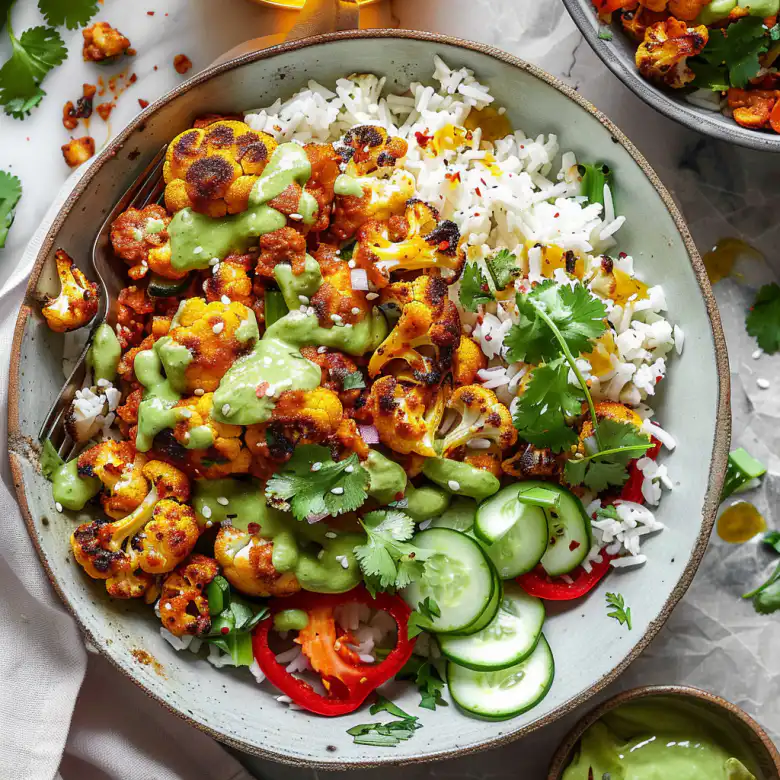
This Cauliflower Shawarma Bowl recipe is one I return to again and again. It’s a fantastic way to enjoy the vibrant flavors of shawarma without any meat, and it’s incredibly adaptable to whatever vegetables or pantry staples I have on hand. The spiced roasted cauliflower is tender and flavorful, forming the hearty base for a bowl packed with fresh toppings and a creamy, dreamy tahini sauce. It’s a satisfying meal that feels both healthy and indulgent, proving that plant-based cooking can be exciting and deeply flavorful.
Why This Cauliflower Shawarma Works
This recipe truly shines because of how it transforms humble cauliflower into a star. Roasting it with a robust spice blend, reminiscent of traditional shawarma, gives it a depth of flavor and a pleasing texture. The combination of warm spices, fresh grains, cool vegetables, and a tangy sauce creates a balanced and exciting flavor profile in every bite, making it a delightful and satisfying vegan and gluten-free meal option.
Ingredients
Gathering your ingredients is the first step to deliciousness. For these Cauliflower Shawarma Bowls, you’ll need:
- 1 large head of cauliflower, cut into bite-sized florets
- 2 tablespoons olive oil, plus more for drizzling
- 1 teaspoon ground cumin
- 1 teaspoon ground coriander
- 1/2 teaspoon smoked paprika
- 1/4 teaspoon ground turmeric
- 1/4 teaspoon garlic powder
- 1/4 teaspoon onion powder
- Pinch of cayenne pepper (optional, for a little heat)
- Salt and freshly ground black pepper to taste
- 1 cup cooked quinoa, rice, or your grain of choice
- 1/2 cup chopped cucumber
- 1/2 cup chopped tomato
- 1/4 cup thinly sliced red onion
- 1/4 cup chopped fresh parsley
- 1/4 cup chopped fresh mint (optional, but recommended)
- 1/4 cup Kalamata olives, pitted and halved (optional)
- 1/4 cup crumbled vegan feta cheese (optional)
- 8 ounces cooked chickpeas, rinsed and drained (great for added protein)
- For the Tahini Sauce:
- 1/4 cup tahini
- 2 tablespoons fresh lemon juice
- 1-2 cloves garlic, minced
- 2-4 tablespoons cold water, to thin
- Salt to taste
Try this recipe too:Shawarma Chicken Pita
How to Make It
Creating these flavorful bowls is a straightforward process that yields impressive results. Here’s how we’ll build them:
- Preheat your oven and prep the cauliflower: Preheat your oven to 400°F (200°C). Line a large baking sheet with parchment paper for easy cleanup. Wash and thoroughly dry the cauliflower florets. It’s important to dry them well so the spices adhere properly and the cauliflower roasts rather than steams.
- Spice the cauliflower: In a large bowl, toss the cauliflower florets with 2 tablespoons of olive oil. Add the cumin, coriander, smoked paprika, turmeric, garlic powder, onion powder, cayenne pepper (if using), salt, and black pepper. Toss everything together until the cauliflower is evenly coated with the spices. I like to get my hands in there to make sure every nook and cranny of the cauliflower is seasoned well.
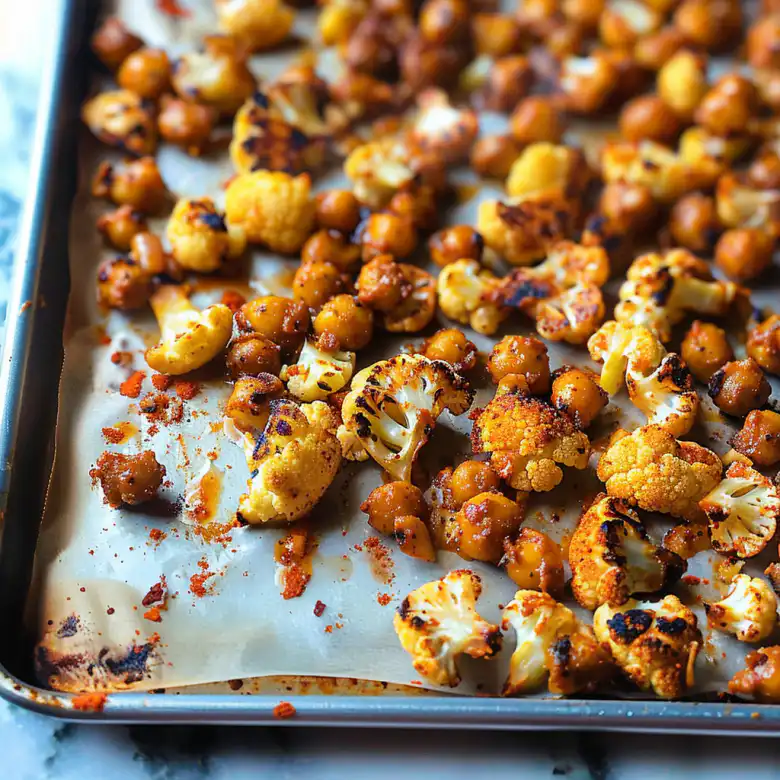
- Roast the cauliflower: Spread the seasoned cauliflower in a single layer on the prepared baking sheet. Avoid overcrowding the pan, as this can lead to steaming instead of roasting. If necessary, use two baking sheets. Roast for 20-25 minutes, or until the cauliflower is tender and has slightly browned, crispy edges. I like to flip the florets halfway through the roasting time to ensure even cooking and browning on all sides.
- Prepare the tahini sauce: While the cauliflower is roasting, make the tahini sauce. In a small bowl, whisk together the tahini, fresh lemon juice, and minced garlic. The mixture will likely thicken considerably. Gradually whisk in cold water, 1 tablespoon at a time, until the sauce reaches your desired consistency – it should be pourable but still creamy. Season with salt to taste. I often find myself adjusting the lemon juice and salt at this stage to get the balance just right.
- Assemble the bowls: Once the cauliflower is roasted and your grain is cooked, it’s time to build the bowls. Divide your cooked grain evenly among serving bowls. Top each bowl generously with the roasted cauliflower.
- Add the fresh toppings: Next, add the chopped cucumber, tomato, and thinly sliced red onion. Sprinkle with fresh parsley and mint, if you’re using them. Add the olives and vegan feta cheese if desired. For an extra layer of plant-based protein and texture, add the cooked chickpeas.
- Drizzle with tahini sauce: Finish by liberally drizzling the prepared tahini sauce over everything in each bowl. Give it an extra little drizzle of olive oil if you like.
And there you have it – a vibrant and satisfying Cauliflower Shawarma Bowl, ready to be enjoyed.
Nutrition at a Glance
These Cauliflower Shawarma Bowls are a powerhouse of nutrients, offering a well-rounded meal that supports a healthy diet. While exact figures can vary based on specific ingredients and portion sizes, here’s a general overview of what you can expect:
- High in Fiber: The cauliflower, grains, and vegetables contribute a significant amount of dietary fiber, crucial for digestive health and feeling full.
- Good Source of Protein: Especially when including chickpeas and serving over a protein-rich grain like quinoa, these bowls offer a decent amount of plant-based protein, important for muscle repair and satiety.
- Rich in Vitamins and Minerals: Cauliflower is packed with Vitamin C and Vitamin K. The other vegetables contribute a spectrum of vitamins and minerals, including Vitamin A, potassium, and folate, depending on your choices.
- Healthy Fats: Olive oil and tahini provide monounsaturated and polyunsaturated fats, which are beneficial for heart health.
- Antioxidant-Rich: The colorful vegetables and spices like turmeric and paprika are loaded with antioxidants that help protect your body from damage.
- Naturally Gluten-Free: By using gluten-free grains like quinoa or rice and omitting any gluten-containing ingredients, these bowls cater to those with gluten sensitivities or celiac disease.
- Vegan Friendly: This recipe is entirely plant-based, making it suitable for vegans and anyone looking to incorporate more meat-free meals into their diet.
How to Serve It
Casting these Cauliflower Shawarma Bowls is a joy because they are so visually appealing and customizable. Here are some ideas on how to best present and enjoy them:
- Individual Bowls: The most common and straightforward way is to assemble each bowl as described in the recipe. This allows everyone to have their own perfectly portioned and decorated meal.
- Deconstructed Platter: For a more interactive experience, especially when serving guests, consider a deconstructed platter. Arrange the cooked grain, roasted cauliflower, and all the chopped toppings and sauces in separate bowls or on a large platter. This way, everyone can build their own bowl to their liking, customizing it with their favorite components.
- Picnic Perfect: These bowls hold up well, making them an excellent option for packed lunches or picnics. Pack the grain at the bottom of a container, the roasted cauliflower and sturdy toppings (like chickpeas, olives, cucumber) on top, and keep the more delicate items (tomatoes, red onion, herbs) and the tahini sauce in separate small containers to be added just before eating.
- Meal Prep Friendly: Assembling the base elements ahead of time makes for quick lunches throughout the week. Cook the grain, roast the cauliflower, and chop the vegetables. Store them in separate containers. When you’re ready to eat, simply warm the grain and cauliflower, then assemble with fresh toppings and sauce.
- With Flatbread: While the recipe is designed as a bowl, you can certainly serve it alongside warm gluten-free flatbread or pita bread for scooping up all the delicious components.
- As a Side Dish: A smaller portion of the roasted cauliflower and a drizzle of the tahini sauce can make an excellent flavorful side dish to other vegan main courses.
Ultimately, the beauty of these Cauliflower Shawarma Bowls lies in their versatility and the vibrant medley of flavors and textures that come together in each serving.
Common Mistakes
Even with a straightforward recipe like this, a few common pitfalls can prevent you from achieving the best possible results. Being aware of these can help:
- Overcrowding the Baking Sheet: This is probably the most frequent mistake. When you pile too many cauliflower florets onto one baking sheet, they end up steaming rather than roasting. This results in soggy, less flavorful cauliflower, and you miss out on those delicious crispy, caramelized edges that are so key to the shawarma flavor. Always use enough space, or two pans if necessary, to ensure a single layer.
- Not Drying the Cauliflower Enough: Similar to overcrowding, excess moisture prevents good roasting. Water on the surface of the cauliflower will steam it before it can get nicely browned. Make sure your florets are as dry as possible after washing them, before tossing them with oil and spices. A salad spinner can be helpful for this.
- Under-spicing the Cauliflower: Cauliflower is a relatively mild-tasting vegetable, so it needs a good amount of seasoning to really sing. Don’t be shy with the cumin, coriander, paprika, and other spices. Taste your spice mix before you add it to the cauliflower to ensure it’s flavorful. You want those spices to really penetrate the cauliflower as it roasts.
- Tahini Sauce Too Thick or Too Thin: This often comes down to patience and gradual addition of water. Tahini can be tricky; it separates and can seize up when liquid is added. Start with a small amount of water and whisk well, gradually adding more until you achieve a pourable, creamy consistency. It’s easier to thin a sauce than to thicken one, so err on the side of adding less water initially.
- Not Taste-Testing and Adjusting: This applies to both the cauliflower spice mix and the tahini sauce. Everyone’s palate is different, and the specific spices you have might vary in intensity. Always taste and adjust salt, lemon juice, and spice levels as you go. The final flavor is what matters most.
- Skipping the Fresh Herbs: While optional, fresh parsley and mint add a crucial element of brightness and freshness that balances the richness of the roasted cauliflower and tahini sauce. Leaving them out, or using dried herbs, can make the dish feel a bit flat.
- Not Roasting Long Enough: Be patient and let the cauliflower develop those beautiful browned and slightly charred edges. This is where much of the flavor comes from. If you pull it out too early, it will be bland and less appealing.
Avoiding these minor issues will greatly enhance the overall enjoyment of your Cauliflower Shawarma Bowls.
Storage and Reheating
These flavorful bowls are excellent for making ahead, and proper storage ensures they retain their deliciousness. Here’s how to keep them tasting great:
- Separate Components: For optimal texture, it’s best to store the cooked components separately. Store the roasted cauliflower, cooked grain, and chopped raw vegetables in airtight containers in the refrigerator. Keep the tahini sauce in a separate small container. This prevents the raw vegetables from wilting and the cauliflower from becoming mushy.
- Chilled Storage: The components will typically last for 3-4 days when stored correctly in the refrigerator. Ensure all containers are well-sealed.
- Reheating the Cauliflower and Grains: When you’re ready to eat, you have a few options for reheating. The best method for retaining texture is to gently reheat the cauliflower and grains in a skillet over medium heat for a few minutes until warmed through, stirring occasionally. Alternatively, you can spread them on a baking sheet and warm them in a preheated oven at 350°F (175°C) for about 5-7 minutes. Microwaving is also an option for convenience, but the cauliflower might lose some of its crispness.
- Cold Assembly: For a quicker meal, you can also enjoy the bowls cold or at room temperature. Simply combine the pre-cooked elements with fresh toppings.
- Tahini Sauce: The tahini sauce can be stored in the refrigerator for up to a week. It may thicken considerably when chilled, so you might need to whisk in a little more water or lemon juice to loosen it before serving.
With a little planning, these bowls can be a convenient and satisfying meal throughout the week.
Leftover Ideas
Don’t let any of those delicious components go to waste! Leftover Cauliflower Shawarma Bowl ingredients can be repurposed into a variety of other tasty dishes. Here are a few ideas:
- Quick Stir-Fry: Chop any leftover roasted cauliflower and raw vegetables. Sauté them in a wok or skillet with some soy sauce (or tamari for gluten-free), ginger, and garlic. Add some cooked grains or noodles, and top with a drizzle of tahini sauce for a speedy and flavorful stir-fry.
- Shawarma Wraps or Sandwiches: Warm the roasted cauliflower and place it in gluten-free wraps or on your favorite bread with some fresh greens, chopped tomatoes, and a generous amount of tahini sauce and any other leftover toppings.
- Cauliflower and Chickpea Salad: Combine leftover roasted cauliflower, chickpeas, chopped cucumber, tomato, and red onion in a bowl. Toss with a lemony vinaigrette or a bit of the leftover tahini sauce for an instant refreshing salad.
- Soup Booster: Add leftover roasted cauliflower and grains to a vegetable broth-based soup to make it more hearty and flavorful. The spices from the cauliflower will infuse the broth beautifully.
- Stuffed Sweet Potatoes: Scoop out the flesh of a baked sweet potato, mash it slightly, and then top with warmed leftover roasted cauliflower, chickpeas, and a drizzle of tahini sauce. This makes for a wonderfully comforting and filling meal.
- Savory Grain Bowl Remix: Simply combine the leftover grains with any remaining roasted cauliflower and a fresh batch of chopped vegetables and tahini sauce for another complete bowl meal. Add a different spice blend to the cauliflower when reheating if you want a new flavor profile.
Having these readily available ingredients makes it easy to create new meals without much effort, reducing food waste and maximizing flavor.
PrintCauliflower Shawarma Bowls (Vegan, Gluten Free)
- Total Time: 40 minutes
- Yield: 4 servings 1x
Description
Savor vibrant vegan and gluten-free flavors with these delicious Cauliflower Shawarma Bowls. Featuring spiced roasted cauliflower, fresh veggies, and a creamy tahini sauce.
Ingredients
- 1 large head of cauliflower, cut into bite-sized florets
- 2 tablespoons olive oil, plus more for drizzling
- 1 teaspoon ground cumin
- 1 teaspoon ground coriander
- 1/2 teaspoon smoked paprika
- 1/4 teaspoon ground turmeric
- 1/4 teaspoon garlic powder
- 1/4 teaspoon onion powder
- Pinch of cayenne pepper (optional, for a little heat)
- Salt and freshly ground black pepper to taste
- 1 cup cooked quinoa, rice, or your grain of choice
- 1/2 cup chopped cucumber
- 1/2 cup chopped tomato
- 1/4 cup thinly sliced red onion
- 1/4 cup chopped fresh parsley
- 1/4 cup chopped fresh mint (optional, but recommended)
- 1/4 cup Kalamata olives, pitted and halved (optional)
- 1/4 cup crumbled vegan feta cheese (optional)
- 8 ounces cooked chickpeas, rinsed and drained (great for added protein)
- For the Tahini Sauce:
- 1/4 cup tahini
- 2 tablespoons fresh lemon juice
- 1–2 cloves garlic, minced
- 2–4 tablespoons cold water, to thin
- Salt to taste
Instructions
- 1. Preheat your oven to 400°F (200°C). Line a large baking sheet with parchment paper.
- 2. In a large bowl, toss cauliflower florets with 2 tablespoons of olive oil, cumin, coriander, smoked paprika, turmeric, garlic powder, onion powder, cayenne pepper (if using), salt, and black pepper until evenly coated.
- 3. Spread seasoned cauliflower in a single layer on the prepared baking sheet. Roast for 20-25 minutes, flipping halfway, until tender and browned.
- 4. While cauliflower roasts, prepare the tahini sauce. In a small bowl, whisk tahini, lemon juice, and minced garlic. Gradually whisk in cold water, 1 tablespoon at a time, until desired pourable consistency is reached. Season with salt to taste.
- 5. Assemble bowls: Divide cooked grain among serving bowls. Top with roasted cauliflower.
- 6. Add chopped cucumber, tomato, red onion, fresh parsley, fresh mint (if using), olives, vegan feta (if using), and chickpeas.
- 7. Drizzle generously with tahini sauce.
Notes
Store components separately in airtight containers in the refrigerator for up to 3-4 days. Reheat cauliflower and grains gently in a skillet or oven. Tahini sauce may thicken; whisk in water or lemon juice to loosen before serving. Leftover ingredients can be used in stir-fries, wraps, salads, or as soup boosters.
- Prep Time: 15 minutes
- Cook Time: 25 minutes
- Category: Main Course
- Method: Baking
- Cuisine: Middle Eastern-Inspired
Nutrition
- Serving Size: 1 serving
- Calories: Appx. 450 kcal (will vary)
- Sugar: Appx. 10g (will vary)
- Sodium: Appx. 400mg (will vary)
- Fat: Appx. 25g (will vary)
- Carbohydrates: Appx. 45g (will vary)
- Fiber: Appx. 12g (will vary)
- Protein: Appx. 15g (will vary)