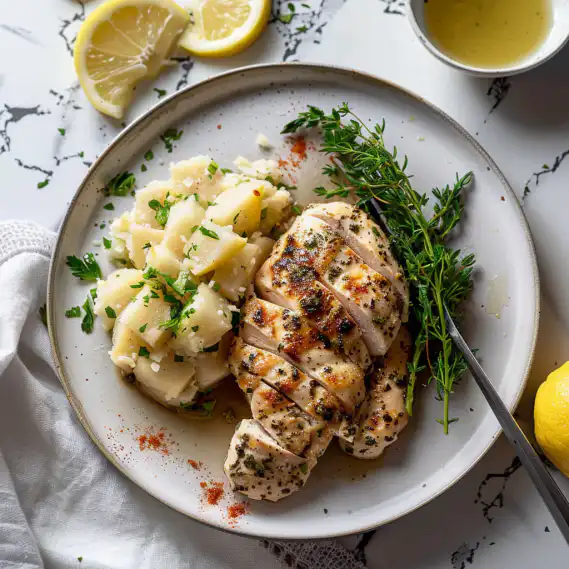
Ina Garten’s approach to cooking often emphasizes simple, high-quality ingredients prepared with straightforward techniques. This recipe for boneless, skinless chicken breasts is a testament to that philosophy, delivering a flavorful and tender result without unnecessary fuss.
Why This Ina Garten Boneless Skinless Chicken Breasts Recipe Works
This recipe truly shines because it honors the chicken itself. By focusing on proper searing and gentle cooking, it prevents the dryness often associated with boneless, skinless breasts.
Ingredients
- 2 boneless, skinless chicken breasts (about 6 to 8 ounces each)
- 2 tablespoons olive oil
- 1 tablespoon unsalted butter
- 1 lemon, halved
- 1/4 cup dry white wine (like Sauvignon Blanc or Pinot Grigio)
- Salt and freshly ground black pepper to taste
- Fresh parsley, chopped, for garnish (optional)
Gathering these core ingredients is the first step toward a successful dish. They are pantry staples for many, and their simplicity is key to the recipe’s appeal.
How to Make It
- Prepare the Chicken: Pat the chicken breasts thoroughly dry with paper towels. This is a crucial step for achieving a good sear.
- Heat the Pan: Place a large, oven-safe skillet (cast iron or stainless steel works well) over medium-high heat. Add the olive oil and butter. Let the butter melt and foam slightly.
- Sear the Chicken: Carefully place the seasoned chicken breasts in the hot skillet. Don’t overcrowd the pan; if you’re cooking more than two, do it in batches.
- Add Aromatics and Deglaze: Once both sides are seared, reduce the heat to medium. Squeeze the juice of one-half of the lemon over the chicken. Carefully pour in the white wine.
- Finish Cooking: Cover the skillet, reduce the heat to low, and let the chicken cook gently for another 10 to 15 minutes, or until the chicken is cooked through and the internal temperature reaches 165°F (74°C).
- Rest and Serve: Remove the chicken from the skillet and let it rest on a cutting board for about 5 minutes before slicing or serving whole. This resting period allows the juices to redistribute throughout the meat, ensuring a tender and moist result.
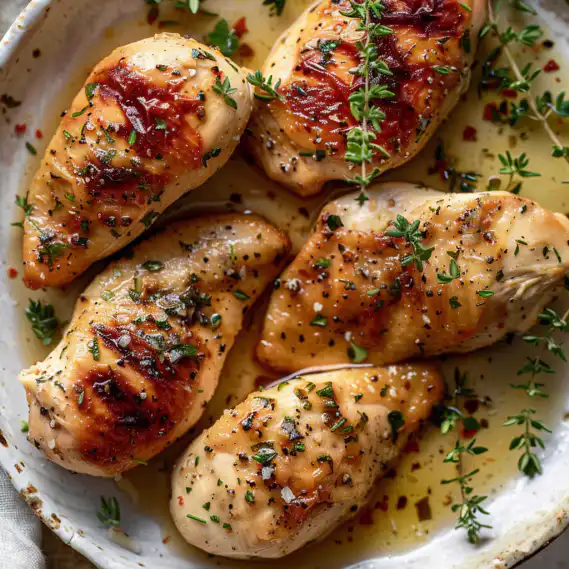
Following these steps systematically ensures flavorful, moist chicken every time. The combination of searing and gentle simmering creates a tender texture and a delicious pan sauce.
Don’t miss this delicious recipe: High-Protein Chicken & Chickpea Skillet
Nutrition at a Glance
- Calories: Approximately 250-300 calories per serving (will vary based on exact size and oil/butter usage).
- Protein: High in lean protein, typically 30-40g per serving.
- Fat: Moderate fat content from olive oil and butter, with healthy monounsaturated fats from olive oil.
- Carbohydrates: Very low, primarily from trace amounts in the chicken itself and minimal from wine.
- Sodium: Varies significantly based on how much salt is added during seasoning.
- Vitamins and Minerals: Provides essential B vitamins, selenium, and phosphorus.
- *Note: These are approximate values and can change based on specific ingredient brands and quantities used.*
Understanding the nutritional profile of this dish highlights its benefits as a healthy yet satisfying meal. It’s a fantastic source of lean protein, crucial for muscle repair and satiety, making it a good choice for anyone looking to maintain a balanced diet or support fitness goals.
How to Serve It
- As a main course with roasted seasonal vegetables like asparagus, broccoli, or green beans.
- Sliced and served over a fresh green salad with a light vinaigrette.
- Paired with a side of fluffy quinoa or rice pilaf.
- Alongside creamy mashed potatoes or a baked sweet potato for a more comforting meal.
- Diced and incorporated into pasta dishes or grain bowls.
This chicken is incredibly versatile, making it a go-to for busy evenings when you need a delicious meal on the table quickly. Its simple yet elegant presentation allows it to be dressed up or down, fitting seamlessly into various dining occasions.
Common Mistakes
- Overcrowding the Pan: This prevents proper searing, leading to pale, steamed chicken instead of beautifully browned, flavorful meat. Cook in batches if necessary to ensure good contact with the hot skillet.
- Not Patting Chicken Dry: Moisture on the surface of the chicken will hinder browning. Thoroughly drying the chicken breasts with paper towels is essential for developing that desirable crust.
- Cooking Until Dry: Boneless, skinless chicken breasts can easily become dry if overcooked. Rely on a meat thermometer to ensure it reaches the safe internal temperature of 165°F (74°C) and remove it promptly.
- Skipping the Resting Period: Allowing the chicken to rest for a few minutes after cooking lets the juices redistribute, resulting in more tender and moist meat. Don’t slice it the moment it comes off the heat.
- Using a Pan That’s Not Hot Enough: A properly heated pan is crucial for a good sear. If the pan isn’t hot enough, the chicken will stick and won’t brown correctly, compromising both flavor and texture.
- Not Deglazing Properly: The browned bits at the bottom of the pan are packed with flavor. Scrape them up when deglazing with wine or lemon juice to create a more robust sauce.
Avoiding these common pitfalls will dramatically improve the outcome of your chicken. Paying attention to detail, like ensuring the pan is hot and the chicken is dry, makes a significant difference in the final texture and taste of the dish.
Storage and Reheating
- Storage: Allow the cooked chicken to cool completely before storing. Place it in an airtight container and refrigerate for up to 3 to 4 days. Ensure any sauce is also stored separately or with the chicken, depending on your preference for reheating.
- Reheating: The best way to reheat this chicken is gently to maintain moisture. You can gently warm it in a skillet over low heat with a splash of chicken broth or water, or in a covered oven-safe dish at 325°F (160°C) for about 10-15 minutes, until heated through.
Proper storage and reheating are vital for enjoying leftovers safely and deliciously. By employing gentle heating methods, you can revive the chicken’s succulence and flavor, making it nearly as good as when it was freshly cooked.
Leftover Ideas
- Chicken Salad: Dice or shred the cooled chicken and mix with mayonnaise, celery, onion, and your favorite seasonings. Serve on bread, in lettuce wraps, or as a dip.
- Quesadillas or Tacos: Shredded chicken works wonderfully in quick quesadillas with cheese, or as a filling for soft or hard-shell tacos.
- Pasta Dishes: Add sliced or diced chicken to your favorite pasta sauce or toss with pasta, vegetables, and a light dressing.
- Stir-fries: Slice the chicken and add it towards the end of cooking a vegetable stir-fry.
- Hearty Salads: Top a large salad with sliced chicken for a satisfying and protein-rich meal.
- Chicken and Rice Bowls: Combine diced chicken with cooked rice, your favorite vegetables, and a flavorful sauce (teriyaki, soy ginger, etc.).
- Oatmeal: Savory oatmeal is a growing trend, and cooked chicken can be a delicious addition, seasoned with herbs and spices.
Transforming leftovers into new meals is an efficient and enjoyable way to reduce food waste and enjoy delicious dishes throughout the week.
PrintIna Garten Boneless Skinless Chicken Breasts Recipe
- Total Time: 30-35 minutes
- Yield: 2 servings 1x
Description
A straightforward and flavorful recipe for boneless, skinless chicken breasts, inspired by Ina Garten’s cooking philosophy. Learn how to achieve tender, moist chicken with a delicious pan sauce using simple ingredients and techniques.
Ingredients
- 2 boneless, skinless chicken breasts (about 6 to 8 ounces each)
- 2 tablespoons olive oil
- 1 tablespoon unsalted butter
- 1 lemon, halved
- 1/4 cup dry white wine (like Sauvignon Blanc or Pinot Grigio)
- Salt and freshly ground black pepper to taste
- Fresh parsley, chopped, for garnish (optional)
Instructions
- 1. Pat the chicken breasts thoroughly dry with paper towels. Season both sides generously with salt and freshly ground black pepper.
- 2. Place a large, oven-safe skillet over medium-high heat. Add the olive oil and butter and let the butter melt and foam slightly.
- 3. Carefully place the seasoned chicken breasts in the hot skillet. Sear undisturbed for 4 to 5 minutes per side, until a deep golden-brown crust has formed.
- 4. Reduce heat to medium. Squeeze the juice of one-half of the lemon over the chicken. Pour in the white wine, letting it bubble and deglaze the pan by scraping up browned bits with a wooden spoon. Simmer for 1 minute.
- 5. Cover the skillet, reduce heat to low, and cook for 10 to 15 minutes, or until the chicken reaches an internal temperature of 165°F (74°C). Alternatively, transfer to a 375°F (190°C) preheated oven.
- 6. Remove chicken from skillet, let rest for 5 minutes. Slice or serve whole. Spoon pan sauce over chicken and garnish with parsley if desired.
Notes
Store cooled cooked chicken in an airtight container in the refrigerator for up to 3-4 days. Reheat gently in a skillet over low heat with a splash of broth/water, or in a covered oven at 325°F (160°C) for 10-15 minutes, until heated through.
- Prep Time: 10 minutes
- Cook Time: 20-25 minutes
- Category: Main Course
- Method: Pan-Seared
- Cuisine: American
Nutrition
- Serving Size: 1 serving
- Calories: 275
- Sugar: 1g
- Sodium: 250mg
- Fat: 12g
- Carbohydrates: 2g
- Fiber: 0g
- Protein: 38g