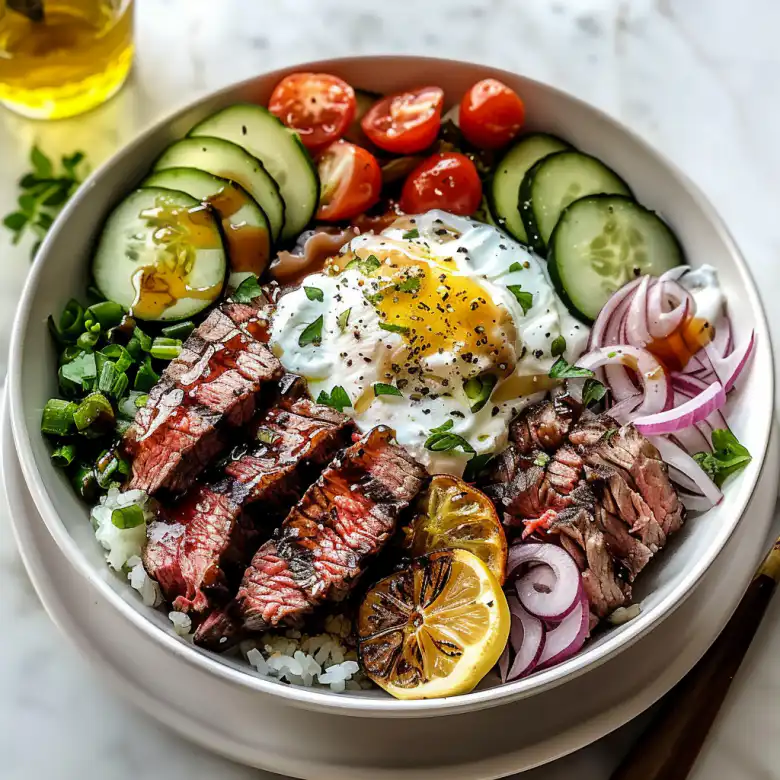
This Mediterranean-inspired steak bowl is a vibrant and satisfying meal that brings together lean protein, fresh vegetables, and healthy fats. It’s a dish I find myself returning to again and again when I need something nutritious and flavorful without a lot of fuss. The beauty of this bowl lies in its adaptability and its emphasis on wholesome ingredients.
Why This Mediterranean Steak Bowl Works
This recipe is a testament to how simple, fresh ingredients can create a wonderfully balanced and delicious meal. The combination of protein from the steak, fiber from the vegetables and grains, and healthy fats from the olive oil and optional additions aligns perfectly with the principles of a healthy lifestyle, making it a go-to for a satisfying lunch or dinner.
Ingredients
- 1 pound sirloin steak, flank steak, or skirt steak
- 2 tablespoons olive oil, divided
- 1 teaspoon dried oregano
- 1/2 teaspoon garlic powder
- Salt and freshly ground black pepper to taste
- 1 cup cooked quinoa or brown rice
- 1 cup cherry tomatoes, halved
- 1 cup cucumber, diced
- 1/2 cup Kalamata olives, pitted and halved
- 1/4 cup red onion, thinly sliced
- 1/4 cup crumbled feta cheese (optional, for a dairy-free version omit or use a dairy-free alternative)
- Fresh parsley or mint, chopped, for garnish
- Lemon wedges, for serving
- For the Lemon-Herb Vinaigrette:
- 3 tablespoons olive oil
- 1 tablespoon fresh lemon juice
- 1 teaspoon Dijon mustard
- 1/2 teaspoon dried oregano
- Pinch of garlic powder
- Salt and pepper to taste
Gathering these ingredients might seem like a few steps, but most can be prepped ahead of time to make assembly even quicker during the week. The backbone of this bowl is a quality cut of steak that cooks relatively quickly, making it ideal for a weeknight meal. The vegetables are chosen for their fresh, crisp textures and bright flavors, all of which complement the savory steak beautifully.
Check this out: Creamy Steakhouse Potatoes Romanoff Recipe
How to Make It
- Pat the steak dry with paper towels. In a small bowl, combine 1 tablespoon of olive oil, dried oregano, garlic powder, salt, and pepper. Rub this mixture all over the steak. Let it sit at room temperature for at least 15-20 minutes while you prepare the other components. This step is crucial for even cooking and flavor infusion.
- Prepare the Lemon-Herb Vinaigrette: In a small bowl or jar, whisk together 3 tablespoons of olive oil, fresh lemon juice, Dijon mustard, dried oregano, garlic powder, salt, and pepper until well combined. Taste and adjust seasonings as needed. This vinaigrette provides a tangy and bright contrast to the rich steak and vegetables. Make sure your lemon is fresh; it makes a noticeable difference in the brightness of the dressing.
- Cook the steak: Heat the remaining 1 tablespoon of olive oil in a skillet over medium-high heat. Once the oil is shimmering, add the steak. Sear for 3-5 minutes per side for medium-rare, or longer depending on your desired level of doneness and the thickness of your steak. Aim for a good crust on the outside. For thinner cuts like skirt steak, cooking time will be shorter. If you’re using a thicker cut like sirloin, you might need to adjust the heat slightly to ensure it cooks through without burning the exterior. I often use a cast-iron skillet for this, as it holds heat beautifully and creates an excellent sear.
- Let the steak rest: Once cooked, transfer the steak to a cutting board and let it rest for at least 5-10 minutes. This resting period is essential for the juices to redistribute throughout the meat, ensuring a tender and moist steak. Skipping this step will result in a steak that is less succulent, and its juices will run out onto the plate, leaving the meat drier. While the steak is resting, you can quickly assemble the rest of your bowl ingredients.
- Slice the steak: Thinly slice the rested steak against the grain. This is another important technique for tender steak. Slicing with the grain can make even the most tender cut of meat feel tough. Take a moment to identify the direction of the muscle fibers and slice perpendicular to them. This breaks up the long, tough fibers.
- Assemble the bowls: Divide the cooked quinoa or brown rice among serving bowls. Top with the sliced steak, cherry tomatoes, cucumber, Kalamata olives, and red onion. Sprinkle with crumbled feta cheese, if using. Drizzle generously with the Lemon-Herb Vinaigrette and garnish with fresh parsley or mint. Serve with lemon wedges on the side for an extra burst of citrus. I like to arrange the ingredients in distinct sections in the bowl, making it visually appealing and allowing each component to shine.
This entire process, from starting the steak to assembling the bowls, can be streamlined and completed in under 30 minutes if you have your grain pre-cooked and vegetables chopped. The visual appeal of the bowl is as important as the taste; I find that taking a little extra time to arrange the components can elevate the entire dining experience.
Nutrition at a Glance
- Rich in lean protein from the steak, essential for muscle repair and satiety.
- Packed with vitamins, minerals, and fiber from fresh vegetables like tomatoes, cucumbers, and onions.
- Provides complex carbohydrates for sustained energy from quinoa or brown rice.
- Contains healthy monounsaturated fats from olive oil, beneficial for heart health.
- Feta cheese (if used) adds calcium and a distinctive salty flavor.
- Low in saturated fat (depending on steak cut choice and amount of feta).
- Customizable to fit dietary needs – omit feta for dairy-free, choose leaner steak cuts for reduced fat.
The nutritional profile of this bowl is quite impressive. It’s a balanced combination of macronutrients, focusing on quality sources. The lean protein helps keep you feeling full, which can be beneficial for weight management. The vegetables contribute a wide array of micronutrients, antioxidants, and dietary fiber, which are crucial for overall health and well-being. Fiber aids digestion and can help regulate blood sugar levels. The use of olive oil as the primary fat source is a cornerstone of healthy eating patterns, providing monounsaturated fats that are good for cardiovascular health.
How to Serve It
- Serve immediately after assembly for the best texture and temperature contrast.
- Provide lemon wedges on the side so each person can add extra citrus as desired.
- Offer a dollop of plain Greek yogurt or tzatziki sauce for added creaminess and a different flavor profile.
- For a spicier kick, add a sprinkle of red pepper flakes to individual bowls.
- Consider adding a side of whole-wheat pita bread for dipping into any extra vinaigrette.
Serving this bowl is simple and straightforward, but there are a few touches that can enhance the experience. The beauty of a bowl meal is its inherent flexibility. You can present it as a deconstructed plate, allowing individuals to mix their ingredients as they please, or serve it fully assembled, a vibrant mosaic of colors and textures. The lemon wedges are a must; the fresh acidity brightens everything up. I also find that offering an optional creamy element, like Greek yogurt or even a tahini-based dressing, can add another layer of enjoyment for those who prefer a richer mouthfeel. The goal is to keep it approachable and enjoyable for everyone at the table.
Common Mistakes
- Overcooking the steak: This is perhaps the most common error, leading to tough, dry meat. Always cook a few minutes less than you think you need to, as the steak will continue to cook while it rests. Using a meat thermometer is a reliable way to ensure your steak is at the desired temperature. For medium-rare, aim for an internal temperature of 130-135°F (54-57°C) before resting.
- Not resting the steak: As mentioned, this is a critical step that many home cooks overlook. Allowing the steak to rest ensures the juices are retained, resulting in a more tender and flavorful steak. Don’t be tempted to cut into it immediately after it comes off the heat.
- Slicing the steak with the grain: Always slice steak against the grain, no matter the cut. This breaks down the tough muscle fibers, making the meat more tender and easier to chew. Look for the direction of the muscle fibers and slice perpendicular to them.
- Underseasoning: Steak needs adequate seasoning to bring out its natural flavors. Don’t be shy with salt and pepper, especially before cooking. The marinade or rub also plays a key role here.
- Using a dull knife: A dull knife can tear the steak instead of slicing it cleanly, which affects its texture and appearance. Ensure your knives are sharp for the best results.
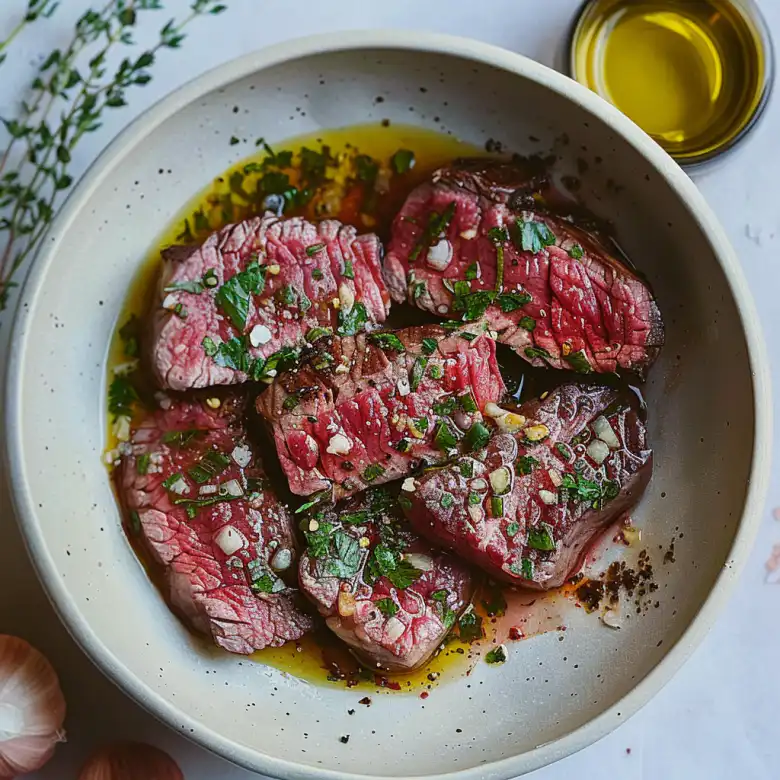
Avoiding these common missteps is key to achieving a truly delicious and satisfying steak bowl. The difference between a good steak and a great steak often comes down to these fundamental techniques. It’s about respecting the ingredients and understanding the science behind cooking. For instance, the Maillard reaction, which creates that desirable browned crust on the steak, requires high heat. However, this heat must be managed carefully to avoid overcooking the interior. Similarly, the process of resting allows the protein strands to relax, reabsorbing the moisture that was pushed to the center during cooking.
Storage and Reheating
- Store leftover components separately in airtight containers in the refrigerator. This helps maintain the freshness and texture of each ingredient. For example, keep the cooked steak, grains, and chopped vegetables in their own containers.
- The vinaigrette should be stored in a separate container. You may need to re-whisk it as the oil and lemon juice can separate.
- Leftovers are best consumed within 2-3 days.
- To reheat: If you want a warm meal, gently reheat the steak and grains in a skillet over low heat or in the microwave. Add the fresh vegetables towards the end or serve them cold. Drizzle with fresh vinaigrette. Avoid over-reheating the steak, as it can become tough.
Proper storage and reheating are essential to enjoying this dish even after the initial meal. The goal is to preserve the quality of the ingredients as much as possible. Some components, like the grains and steak, are generally best served warm, while others, like the diced cucumber and tomatoes, are meant to be crisp and fresh. Therefore, I recommend separating them before refrigerating. When reheating, be mindful of the steak; it’s often better to slightly underheat it and let residual heat warm it through, or even enjoy it at room temperature if you’re not looking for a hot meal. The vinaigrette is quite resilient and can be used as a fresh dressing even on reheated components.
Leftover Ideas
- Steak Salad: Chop the leftover steak and toss it with mixed greens, a variety of colorful vegetables (bell peppers, carrots, avocado), and a different dressing.
- Steak and Egg Breakfast Hash: Dice the leftover steak and sauté it with diced potatoes or sweet potatoes, onions, and bell peppers. Top with a fried or poached egg.
- Steak Wraps or Pitas: Warm the steak and stuff it into whole-wheat wraps or pita pockets with fresh greens, tomatoes, and a drizzle of tahini or the leftover vinaigrette.
- Quick Steak Tacos: Warm the steak, shred it, and serve in corn or flour tortillas with your favorite taco toppings like salsa, avocado, and a squeeze of lime.
- Add to Omelets or Frittatas: Dice the steak and fold it into your morning omelet or frittata for an extra protein boost.
The deliciousness of this steak bowl certainly doesn’t have to end after the first serving. These leftovers can be transformed into entirely new, equally satisfying meals. I find that the versatility of the steak and the components allows for significant reinvention. The key is to think about textures and flavors. A salad provides a cooling contrast to the richness of the steak, while a hash incorporates it into a hearty breakfast. Wraps and tacos are always popular, easy go-to options that make leftovers feel like a brand-new meal. Even something as simple as adding it to an omelet can elevate a basic breakfast into something more special. The Mediterranean flavors are robust enough to stand up to various culinary applications.
PrintHealthy Steak Bowl Recipe Inspired by the Mediterranean Diet
- Total Time: 30 minutes
- Yield: 4 servings 1x
Description
A vibrant and satisfying Mediterranean-inspired steak bowl packed with lean protein, fresh vegetables, and healthy fats. Easy to make and perfect for a healthy lunch or dinner.
Ingredients
- 1 pound sirloin steak, flank steak, or skirt steak
- 2 tablespoons olive oil, divided
- 1 teaspoon dried oregano
- 1/2 teaspoon garlic powder
- Salt and freshly ground black pepper to taste
- 1 cup cooked quinoa or brown rice
- 1 cup cherry tomatoes, halved
- 1 cup cucumber, diced
- 1/2 cup Kalamata olives, pitted and halved
- 1/4 cup red onion, thinly sliced
- 1/4 cup crumbled feta cheese (optional)
- Fresh parsley or mint, chopped, for garnish
- Lemon wedges, for serving
- For the Lemon-Herb Vinaigrette:
- 3 tablespoons olive oil
- 1 tablespoon fresh lemon juice
- 1 teaspoon Dijon mustard
- 1/2 teaspoon dried oregano
- Pinch of garlic powder
- Salt and pepper to taste
Instructions
- 1. Pat the steak dry with paper towels. In a small bowl, combine 1 tablespoon of olive oil, dried oregano, garlic powder, salt, and pepper. Rub this mixture all over the steak. Let it sit at room temperature for at least 15-20 minutes.
- 2. Prepare the Lemon-Herb Vinaigrette: In a small bowl or jar, whisk together 3 tablespoons of olive oil, fresh lemon juice, Dijon mustard, dried oregano, garlic powder, salt, and pepper until well combined.
- 3. Cook the steak: Heat the remaining 1 tablespoon of olive oil in a skillet over medium-high heat. Once hot, add the steak. Sear for 3-5 minutes per side for medium-rare, or longer depending on desired doneness and thickness.
- 4. Let the steak rest: Transfer the cooked steak to a cutting board and let it rest for at least 5-10 minutes.
- 5. Slice the steak: Thinly slice the rested steak against the grain.
- 6. Assemble the bowls: Divide the cooked quinoa or brown rice among serving bowls. Top with the sliced steak, cherry tomatoes, cucumber, Kalamata olives, and red onion. Sprinkle with crumbled feta cheese, if using. Drizzle generously with the Lemon-Herb Vinaigrette and garnish with fresh parsley or mint. Serve with lemon wedges.
Notes
Store leftover components separately in airtight containers. Consume within 2-3 days. Gently reheat steak and grains; add fresh vegetables towards the end or serve cold. Re-whisk vinaigrette before serving. Avoid over-reheating steak.
- Prep Time: 15 minutes
- Cook Time: 15 minutes
- Category: Main Course
- Method: Pan-Seared
- Cuisine: Mediterranean-Inspired
Nutrition
- Serving Size: 1 serving
- Calories: Approx. 450-550 (varies based on steak cut and additions)
- Sugar: Approx. 5-10g
- Sodium: Approx. 300-500mg (varies with salt and feta)
- Fat: Approx. 25-35g
- Carbohydrates: Approx. 20-30g
- Fiber: Approx. 5-8g
- Protein: Approx. 30-40g