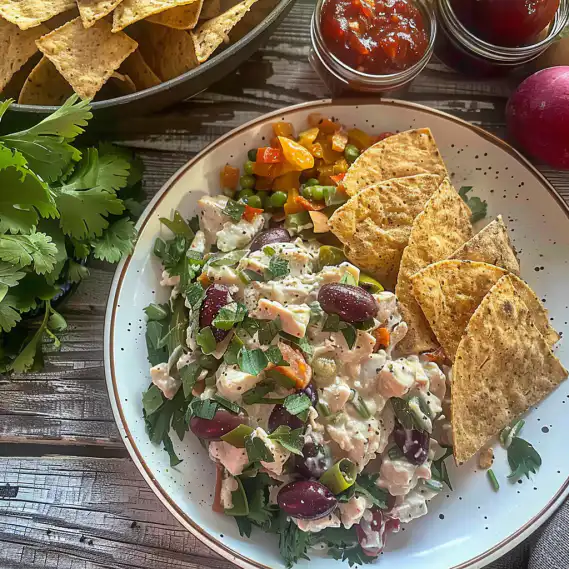
This is a recipe for a versatile chicken salad that can be adapted to fit various dietary needs. It’s a great go-to for busy weeknights when you want something flavorful and satisfying without a lot of fuss.
Why This Flexible Macro-Friendly Dinner Works
This recipe is built for adaptability. It starts with a lean protein source and incorporates healthy fats and complex carbohydrates in a way that’s easy to adjust.
Ingredients
- 1.5 pounds boneless, skinless chicken breasts or thighs
- 1/2 cup plain Greek yogurt (non-fat or full-fat, depending on macro goals)
- 1/4 cup mayonnaise (light or regular, depending on macro goals)
- 2 tablespoons soy sauce or tamari (for gluten-free)
- 1 tablespoon rice vinegar
- 1 teaspoon toasted sesame oil
- 1 clove garlic, minced
- 1/2 teaspoon grated fresh ginger
- 1/4 teaspoon red pepper flakes (optional, for a little heat)
- 1 cup shredded carrots
- 1/2 cup chopped celery
- 1/4 cup chopped red onion
- 1/4 cup chopped cilantro or green onions
- Salt and black pepper to taste
This list provides a solid foundation, but remember, flexibility is key. Think of these as guidelines, not strict rules. The foundation of this recipe is lean protein, which is essential for satiety and muscle maintenance.
Don’t miss this delicious recipe: Cucumber Dill Greek Yogurt Rotisserie Chicken Salad
How to Make It
- Cook the Chicken: You have a few options here. You can poach the chicken breasts in simmering water until cooked through (about 15-20 minutes), bake them at 400°F (200°C) for 20-25 minutes, or even use an Instant Pot for speed (about 12 minutes on high pressure). Once cooked, let it cool slightly before shredding or dicing it into bite-sized pieces.
- Combine the Dressing: In a medium bowl, whisk together the Greek yogurt, mayonnaise, soy sauce (or tamari), rice vinegar, toasted sesame oil, minced garlic, grated ginger, and red pepper flakes (if using). Taste and adjust seasonings as needed.
- Mix Everything Together: Add the cooked chicken, shredded carrots, chopped celery, red onion, and cilantro (or green onions) to the bowl with the dressing. Stir gently until all ingredients are well combined and coated. Be careful not to overmix, as it can make the chicken tough.
- Season and Chill: Season with salt and black pepper to your liking. Cover the bowl and refrigerate for at least 30 minutes to allow the flavors to meld. This resting time is important; it’s not just about chilling it, but about letting those savory and tangy notes really soak into the chicken and vegetables.
This process yields a flavorful and nutritious chicken salad that’s ready to be enjoyed in various ways. The beauty of this recipe is that it’s not a rigid formula. It’s a framework that you can adapt.
Nutrition at a Glance
- Protein: High, primarily from chicken and Greek yogurt. You can easily adjust this by using more chicken or Greek yogurt.
- Fat: Moderate, from mayonnaise and sesame oil. Opt for lower-fat mayonnaise or use avocado for a different type of fat.
- Carbohydrates: Low, from vegetables. Can be increased with additions like fruits or served alongside grains.
- Fiber: Present from vegetables; can be boosted with added ingredients.
- Vitamins and Minerals: Rich from colorful vegetables like carrots and herbs.
The beauty of this dish lies in its customizability. If you need more protein, you can simply increase the amount of chicken or add a scoop of your favorite protein powder to the dressing (though this might alter the flavor and texture) or opt for a Greek yogurt with a higher protein content. s.
How to Serve It
- In Lettuce Wraps: A light and refreshing way to enjoy. Large romaine or butter lettuce leaves make excellent, low-carb wraps.
- On Whole-Wheat Toast: For a classic sandwich experience that adds complex carbohydrates.
- Over a Salad: Serve a generous scoop on a bed of mixed greens with your favorite vinaigrette for a complete meal.
- With Whole-Grain Crackers: A simple and satisfying snack or light lunch option.
- Stuffed in Bell Peppers: Halved bell peppers can be hollowed out and filled with the chicken salad for a visually appealing and nutrient-dense meal.
- Into an Omelet or Scrambled Eggs: Stir some into your eggs just before they finish cooking for a protein-packed breakfast or brunch.
The options are truly endless, making this a staple for any home cook looking for flexible meal solutions. When you look at the ingredients list, don’t feel tied to every single item. Consider them suggestions.
Common Mistakes
- Overcooking the Chicken: This leads to dry, tough chicken that doesn’t absorb flavors well. Poaching or baking at the right temperature for the right time is crucial.
- Not Letting Flavors Meld: Skipping the chilling time means the dressing and ingredients won’t have a chance to harmonize, resulting in a less flavorful salad.
- Using Stale Ingredients: Ensure your vegetables are crisp and fresh for the best texture and taste. Wilted celery or carrots will detract from the overall quality.
- Too Much Dressing: While you want everything coated, an excessive amount of dressing can make the salad soggy and overpower the chicken and vegetables. Start with a little less and add more as needed.
- Not Tasting and Adjusting: Every ingredient can vary in flavor intensity. Always taste the dressing and the final salad and adjust salt, pepper, acidity, or sweetness to your preference.
Avoiding these common pitfalls will ensure a consistently delicious and satisfying serving of your flexible chicken salad. I also find that the texture can be varied. While shredding the chicken is common, as I mentioned earlier, dicing it into small cubes provides a different mouthfeel.
Storage and Reheating
- Storage: Store leftover chicken salad in an airtight container in the refrigerator. It will stay fresh for up to 3-4 days.
- Reheating: This dish is typically served cold. Reheating is generally not recommended as it can affect the texture of the chicken and vegetables, and the dressing may separate. However, if you absolutely must warm it slightly, do so gently over very low heat on the stovetop, stirring constantly, or microwave in very short intervals, checking frequently.
Proper storage is essential for maintaining food safety and quality.
Leftover Ideas
- Chicken Salad Stuffed Avocados: Halve avocados, remove the pit, and fill the cavity with the chicken salad. A delicious and healthy treat.
- Quick Quesadillas: Spread a layer of chicken salad onto a whole-wheat tortilla, top with cheese (if desired for your macros), fold, and cook in a pan until golden and heated through.
- Add to a Grain Bowl: Mix the chicken salad into a bowl of cooked quinoa, brown rice, or farro for a more substantial meal.
- Top a Baked Sweet Potato: A warm baked sweet potato makes a wonderful base for this savory topping.
- In Pita Pockets: Stuff whole-wheat pita pockets with the chicken salad for an easy on-the-go lunch.
These ideas help you maximize enjoyment and minimize waste, ensuring this versatile dish lasts you throughout the week. And finally, consider the serving size. While the recipe yields a certain amount, your actual serving size will depend on your individual macro goals.
PrintFlexible Macro-Friendly Dinner Ideas
- Total Time: 45 minutes
- Yield: 6 servings 1x
Description
Adaptable chicken salad recipe focusing on balanced protein, healthy fats, and carbs. Easy to customize for your dietary goals.
Ingredients
- 1.5 pounds boneless, skinless chicken breasts or thighs
- 1/2 cup plain Greek yogurt (non-fat or full-fat, depending on macro goals)
- 1/4 cup mayonnaise (light or regular, depending on macro goals)
- 2 tablespoons soy sauce or tamari (for gluten-free)
- 1 tablespoon rice vinegar
- 1 teaspoon toasted sesame oil
- 1 clove garlic, minced
- 1/2 teaspoon grated fresh ginger
- 1/4 teaspoon red pepper flakes (optional, for a little heat)
- 1 cup shredded carrots
- 1/2 cup chopped celery
- 1/4 cup chopped red onion
- 1/4 cup chopped cilantro or green onions
- Salt and black pepper to taste
Instructions
- 1. Cook chicken by poaching, baking, or using an Instant Pot. Let cool slightly, then shred or dice.
- 2. Whisk together Greek yogurt, mayonnaise, soy sauce/tamari, rice vinegar, sesame oil, garlic, ginger, and red pepper flakes (if using) in a bowl. Taste and adjust seasonings.
- 3. Add cooked chicken, shredded carrots, chopped celery, red onion, and cilantro/green onions to the dressing. Stir gently to combine.
- 4. Season with salt and pepper. Cover and refrigerate for at least 30 minutes to allow flavors to meld. Reheat is generally not recommended.
Notes
Store in an airtight container in the refrigerator for up to 3-4 days. Typically served cold; reheating is not recommended as it can affect texture.
- Prep Time: 20 minutes
- Cook Time: 25 minutes
- Category: Salads
- Method: Cook and Mix
- Cuisine: American
Nutrition
- Serving Size: Approximately 1 cup
- Calories: Approx. 250-350 (varies with mayo/yogurt choice)
- Sugar: Approx. 3-6g
- Sodium: Approx. 400-600mg (varies with soy sauce)
- Fat: Approx. 10-20g (varies with mayo/yogurt choice)
- Carbohydrates: Approx. 5-10g
- Fiber: Approx. 1-3g
- Protein: Approx. 30-40g (varies with chicken/yogurt choice)