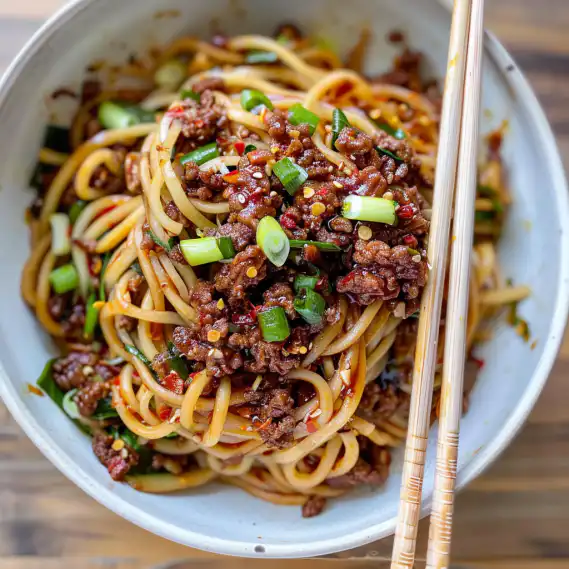
the sticky glaze on the beef is something truly special. It borrows from Asian flavors but is adapted for the home cook who wants something delicious without a trip to a specialty store for every single ingredient.
Why This Sticky Beef Noodles Recipe Works
This recipe shines because it balances sweet, salty, and savory notes beautifully with a rich, glossy sauce that coats every strand of noodle and every piece of tender beef.
Ingredients
For this Sticky Beef Noodles recipe, you’ll need the following:
- 1 pound flank steak or sirloin steak, thinly sliced against the grain
- 1 tablespoon cornstarch
- 1 tablespoon soy sauce (for marinating beef)
- 1 teaspoon sesame oil (for marinating beef)
- 8 ounces noodles (such as spaghetti, ramen, udon, or lo mein noodles)
- 2 tablespoons vegetable oil or other neutral cooking oil
- 3 cloves garlic, minced
- 1 inch ginger, grated
- 1/2 cup beef broth or chicken broth
- 1/4 cup soy sauce (for the sauce)
- 2 tablespoons brown sugar or honey
- 1 tablespoon rice vinegar
- 1 teaspoon sriracha or other chili sauce (optional, adjust to taste)
- 1 teaspoon cornstarch (for thickening the sauce)
- 2 tablespoons water (for thickening the sauce)
- Optional Garnish:
- Chopped green onions
- Toasted sesame seeds
- Chopped cilantro
- Red pepper flakes
Gathering these ingredients is the first step to a delicious meal. Having everything prepped and measured before you begin cooking will make the process much smoother.
Don’t miss this delicious recipe: Mongolian Ground Beef Noodles
How to Make It
- Prepare the Beef: In a medium bowl, combine the thinly sliced beef with 1 tablespoon of cornstarch, 1 tablespoon of soy sauce, and 1 teaspoon of sesame oil. Toss well to ensure the beef is evenly coated. Let it marinate for at least 15-30 minutes at room temperature, or up to a few hours in the refrigerator.
- Cook the Noodles: While the beef is marinating, cook your chosen noodles according to package directions. Once cooked, drain them well and toss them with a tiny bit of oil (like sesame oil or a neutral oil) to prevent them from sticking together. Set aside. Using a good quality noodle that will hold up to the sauce is important.
- Make the Sauce: In a small bowl, whisk together the beef broth (or chicken broth), 1/4 cup soy sauce, brown sugar (or honey), rice vinegar, and sriracha (if using). In a separate tiny bowl, whisk together 1 teaspoon of cornstarch and 2 tablespoons of water to create a slurry. Set both aside.
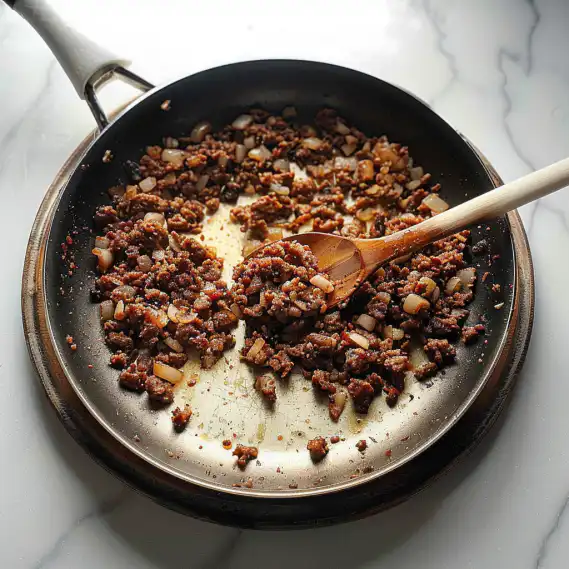
- Sear the Beef: Heat 1 tablespoon of vegetable oil in a large skillet or wok over medium-high heat. Once the oil is shimmering, add the marinated beef in a single layer. Do not overcrowd the pan; cook in batches if necessary. Sear the beef for 1-2 minutes per side until browned and cooked through.
- Sauté Aromatics: Add the remaining 1 tablespoon of vegetable oil to the same skillet. Add the minced garlic and grated ginger. Sauté for about 30-60 seconds until fragrant, being careful not to burn the garlic.
- Simmer the Sauce: Pour the prepared sauce mixture into the skillet with the aromatics. Bring it to a simmer, stirring occasionally. Once simmering, gradually whisk in the cornstarch slurry.
- Combine and Serve: Return the seared beef to the skillet with the thickened sauce. Add the cooked noodles. Toss everything together gently to ensure the beef and noodles are evenly coated with the sticky sauce.
This process, from start to finish, can usually be completed in under 30 minutes if you’ve prepped your ingredients in advance. It’s a truly satisfying meal that comes together with relative ease.
Nutrition at a Glance
- Calories: Approximately 500-700 calories per serving (varies based on noodle type and exact sauce ingredients)
- Protein: High protein content from the beef
- Fat: Moderate fat content, can be adjusted by oil usage
- Carbohydrates: Primarily from noodles and sugar in the sauce
- Vitamins and Minerals: Contributes iron from beef, and various micronutrients from garlic, ginger, and garnishes
- Sodium: Can be high due to soy sauce, but can be managed with low-sodium soy sauce
While this is a comfort food dish, being mindful of the ingredients allows for a more balanced meal. Using lean cuts of beef and controlling the amount of sugar and sodium in the sauce are good practices.
How to Serve It
- Serve hot, directly from the skillet, for the best texture and temperature.
- Garnish generously with chopped green onions for a fresh, sharp bite.
- A sprinkle of toasted sesame seeds adds a lovely nutty aroma and slight crunch.
- For those who enjoy a bit of heat, a small pinch of red pepper flakes or a drizzle of chili oil is wonderful.
- A handful of fresh cilantro can add a bright, herbaceous note, particularly pleasing for those who like its distinct flavor.
This dish is a complete meal on its own, offering protein, carbohydrates, and vegetables if you choose to incorporate them, making it a convenient and satisfying option for any day of the week.
Common Mistakes
- Overcooking the Beef: Searing the beef for too long will result in a tough, chewy texture. Aim for a quick sear to brown the outside while keeping the inside tender. Remember, it will cook a little more when combined with the sauce.
- Not Cutting Beef Against the Grain: This is essential for tender beef. When you slice beef with the grain, the muscle fibers remain long and tough. Cutting against the grain shortens these fibers, making the meat much more palatable.
- Crowding the Pan: When searing the beef, overcrowding the skillet lowers the temperature of the pan, causing the beef to steam rather than sear. This leads to less browning and can make the beef less tender. Cook in batches if necessary, ensuring each piece has direct contact with the hot pan.
- Using a Starchy Slurry Incorrectly: Whisking the cornstarch and water *before* adding it to the hot sauce is important. If you add dry cornstarch directly to hot liquid, it will clump. Likewise, the sauce needs to be simmering when you add the slurry for it to thicken effectively.
- Forgetting to Taste and Adjust: The sweetness, saltiness, and acidity of the sauce are all adjustable. Don’t be afraid to add a touch more sugar if it’s too salty, a bit more soy sauce if it’s not savory enough, or a squeeze of lime/lemon juice or a splash more vinegar if it needs brightness.
Avoiding these common pitfalls will ensure your Sticky Beef Noodles turn out delicious and satisfying every time. Paying attention to these details makes a significant difference in the final outcome.
Storage and Reheating
- Storage: Allow the leftover Sticky Beef Noodles to cool completely before storing. Transfer them to an airtight container and refrigerate for up to 2-3 days. While the noodles can become a bit softer upon storage, the flavors will often meld and intensify overnight.
- Reheating: For the best results, reheat gently on the stovetop over low heat. You can add a tablespoon or two of water or broth to loosen the sauce and prevent it from sticking. Stir frequently until heated through. Microwaving is also an option, though it can sometimes make the noodles a bit mushier. In the microwave, cover the container loosely to allow steam to escape and heat in short intervals, stirring in between.
Proper storage and reheating are key to enjoying leftovers and minimizing waste. The texture might change slightly, but the flavor remains excellent.
Leftover Ideas
- Beef Noodle Stir-fry Upgrade: Add in some fresh or frozen vegetables (like broccoli florets, snap peas, or bell peppers) during the reheating process. A quick stir-fry of your cooked leftovers with added veggies transforms them into a more complete and vibrant meal.
- Noodle Omelette Filling: Chop up the leftover noodles and beef mixture. Use it as a savory filling for an omelette or a frittata. The sticky sauce will add a wonderful flavor to the eggs.
- Savory Rice Bowls: Serve the reheated Sticky Beef Noodles over a bed of steamed rice. This changes the base and makes for a hearty, satisfying lunch or dinner. A fried egg on top takes this to another level.
- Soup Booster: If you’re making a quick broth-based soup, you can add some of the leftover noodles and beef mixture to it. It will add instant flavor and substance, turning a simple soup into a more robust meal.
Don’t let those delicious leftovers go to waste; with a little creativity, they can be enjoyed in entirely new ways, extending the enjoyment of this dish.
PrintSticky Beef Noodles
- Total Time: 35 minutes
- Yield: 4 servings 1x
Description
A flavorful and satisfying recipe for Sticky Beef Noodles, perfect for a weeknight meal. Tender beef coated in a glossy, savory-sweet sauce with your favorite noodles.
Ingredients
- 1 pound flank steak or sirloin steak, thinly sliced against the grain
- 1 tablespoon cornstarch
- 1 tablespoon soy sauce (for marinating beef)
- 1 teaspoon sesame oil (for marinating beef)
- 8 ounces noodles (such as spaghetti, ramen, udon, or lo mein noodles)
- 2 tablespoons vegetable oil or other neutral cooking oil
- 3 cloves garlic, minced
- 1 inch ginger, grated
- 1/2 cup beef broth or chicken broth
- 1/4 cup soy sauce (for the sauce)
- 2 tablespoons brown sugar or honey
- 1 tablespoon rice vinegar
- 1 teaspoon sriracha or other chili sauce (optional, adjust to taste)
- 1 teaspoon cornstarch (for thickening the sauce)
- 2 tablespoons water (for thickening the sauce)
- Optional Garnish: Chopped green onions, toasted sesame seeds, chopped cilantro, red pepper flakes
Instructions
- 1. Prepare the Beef: In a medium bowl, combine the thinly sliced beef with 1 tablespoon of cornstarch, 1 tablespoon of soy sauce, and 1 teaspoon of sesame oil. Toss well to ensure the beef is evenly coated. Let it marinate for at least 15-30 minutes.
- 2. Cook the Noodles: While the beef is marinating, cook your chosen noodles according to package directions. Drain them well and toss with a little oil to prevent sticking. Set aside.
- 3. Make the Sauce: In a small bowl, whisk together the beef broth, 1/4 cup soy sauce, brown sugar, rice vinegar, and sriracha (if using). In a separate tiny bowl, whisk together 1 teaspoon of cornstarch and 2 tablespoons of water to create a slurry. Set both aside.
- 4. Sear the Beef: Heat 1 tablespoon of vegetable oil in a large skillet or wok over medium-high heat. Add the marinated beef in a single layer and sear for 1-2 minutes per side until browned. Remove the seared beef and set aside.
- 5. Sauté Aromatics: Add the remaining 1 tablespoon of vegetable oil to the same skillet. Add the minced garlic and grated ginger. Sauté for about 30-60 seconds until fragrant.
- 6. Simmer the Sauce: Pour the prepared sauce mixture into the skillet. Bring to a simmer. Gradually whisk in the cornstarch slurry and cook, stirring constantly, until the sauce thickens.
- 7. Combine and Serve: Return the seared beef to the skillet with the sauce. Add the cooked noodles. Toss everything together gently to coat. Cook for another minute or two, just to heat everything through. Serve immediately, garnished as desired.
Notes
Store leftovers in an airtight container in the refrigerator for up to 2-3 days. Reheat gently on the stovetop over low heat with a splash of water or broth, or microwave in short intervals.
- Prep Time: 20 minutes
- Cook Time: 15 minutes
- Category: Main Course
- Method: Stovetop
- Cuisine: Asian-Inspired
Nutrition
- Serving Size: 1 serving
- Calories: 600
- Sugar: 15g
- Sodium: 1200mg
- Fat: 25g
- Carbohydrates: 55g
- Fiber: 3g
- Protein: 35g

1 thought on “Easy Sticky Beef Noodles Recipe for a Flavorful Weeknight Dinner”