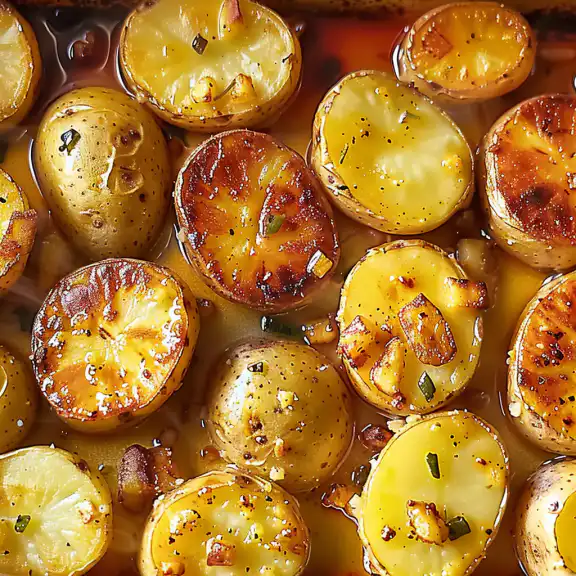
. This method creates a potato that is simultaneously tender, creamy, and surprisingly flavorful, all without requiring a long, complicated process.
Why These Melting Potatoes Work So Well
The beauty of melting potatoes lies in their simplicity and the techniques that coax out the best texture. By partially boiling and then pan-frying them in butter and broth, you achieve a dual cooking method that softens the insides to a near-dissolve state while developing a lovely golden-brown crust.
Ingredients
- 2 pounds Yukon Gold potatoes, peeled and cut into 1.5-inch chunks
- 4 tablespoons unsalted butter
- 1 cup low-sodium chicken broth (or vegetable broth for a vegetarian option)
- 2 cloves garlic, minced
- 1 teaspoon dried rosemary (or 1 tablespoon fresh, chopped)
- Salt, to taste
- Freshly ground black pepper, to taste
- Fresh parsley, chopped, for garnish (optional)
Gathering your ingredients before you begin is always a good practice in the kitchen. For these melting potatoes, we’ll be using humble Yukon Golds, which have a lovely waxy texture that holds up well to the cooking process while still becoming incredibly tender.
Here’s another great option: Roasted Sweet Potato Recipe
How to Make Melting Potatoes
- Place the potato chunks in a medium saucepan and cover them with cold water by about an inch. Add a generous pinch of salt to the water. Bring to a boil over medium-high heat and cook for 8-10 minutes, or until the potatoes are fork-tender but not falling apart. You want them to be easily pierced with a fork but still hold their shape.
- While the potatoes are boiling, prepare your pan. In a large, oven-safe skillet (cast iron works wonderfully here, but any heavy-bottomed skillet will do), melt the butter over medium heat. Add the minced garlic and dried rosemary (if using fresh, add it later) and cook for about 30 seconds until fragrant, being careful not to burn the garlic.
- Drain the par-boiled potatoes thoroughly. Gently shake the colander to remove as much excess water as possible. This step is important to help achieve a good sear rather than steaming the potatoes.
- Carefully add the drained potatoes to the hot skillet with the butter and garlic. Try to arrange them in a single layer as much as possible. Season them generously with salt and freshly ground black pepper.
- Sear the potatoes for 5-7 minutes, undisturbed, until they start to develop a golden-brown crust on one side. At this point, you can gently toss or flip them to allow other sides to brown. Continue searing for another 5-7 minutes, shaking the pan or stirring occasionally, until the potatoes are nicely browned on multiple sides.
- Pour the chicken broth into the skillet. Bring the broth to a simmer. If you are using fresh rosemary, add it now. Cover the skillet tightly with a lid or aluminum foil.
- Reduce the heat to medium-low and let the potatoes simmer gently in the broth for about 10-15 minutes. The liquid should reduce and the potatoes will continue to soften and absorb the flavors. The goal is for them to become incredibly tender, almost “melting.” Check a few potatoes to ensure they are very soft – a gentle poke should yield a creamy interior.
- Once the potatoes are tender and the liquid has mostly evaporated or thickened into a glaze, remove the lid. If there’s still a lot of liquid, you can increase the heat slightly (be mindful of burning) and stir gently to help it reduce.
- Taste and adjust seasoning with salt and pepper as needed. If desired, garnish with fresh chopped parsley before serving.
Following these steps will guide you to a batch of exceptionally tender and flavorful melting potatoes.
Nutrition at a Glance
- Calories can vary based on specific ingredients and portion size, but are generally moderate for a potato dish.
- Potatoes are a good source of carbohydrates, providing energy.
- They contain some dietary fiber, supporting digestive health.
- Depending on the broth used, sodium levels can be managed.
- Minerals like potassium are present, important for various bodily functions.
- Fats are added through butter, contributing to richness and satiety.
While not a primary source of protein, these melting potatoes offer valuable carbohydrates for energy and some essential minerals.
How to Serve Melting Potatoes
- As a comforting side dish alongside roasted meats like chicken, pork, or beef.
- Paired with pan-seared salmon or other fish for a complete meal.
- Alongside a hearty vegetarian stew or lentil loaf.
- As a part of a brunch spread, perhaps with eggs and bacon.
- Simply enjoyed on their own as a satisfying snack or light meal.
These melting potatoes are incredibly versatile and can complement a wide array of main courses. Their rich flavor and tender texture make them a welcome addition to almost any dinner table.
Common Mistakes to Avoid
- Over-boiling the potatoes initially: If you boil them for too long in the first step, they will start to break down too much before they even hit the skillet, leading to mushy potatoes instead of tender, distinct pieces. Check for fork-tenderness, not disintegration.
- Crowding the skillet: When searing the potatoes, it’s important not to overcrowd the pan. If you have too many potatoes packed in, they will steam rather than sear, and you won’t achieve that desirable golden-brown crust. Cook in batches if necessary.
- Moving the potatoes too soon: Resist the urge to stir the potatoes constantly while they’re searing. They need time for one side to develop that beautiful crust. Let them sit undisturbed for several minutes before attempting to flip or toss them.
- Not draining the potatoes thoroughly: Excess water on the potatoes will create steam, hindering the browning process. Make sure to drain them well after par-boiling.
- Burning the garlic: The garlic should be fragrant and just starting to turn golden, not brown and bitter. Keep an eye on it when you add it to the melted butter.
Avoiding these common pitfalls will significantly increase your chances of achieving perfectly cooked melting potatoes every time.
Storage and Reheating
- Store cooled leftover melting potatoes in an airtight container in the refrigerator for up to 3-4 days.
- To reheat, a skillet is often the best method. Add a touch more butter or oil to the skillet over medium heat and gently warm the potatoes, stirring occasionally, until heated through. This helps to revive some of their texture.
- Alternatively, they can be reheated on a baking sheet in a preheated oven at 350°F (175°C) for 10-15 minutes.
- Microwaving is an option for speed, but it can sometimes make the potatoes a bit softer or chewier. If using a microwave, cover them loosely to retain some moisture.
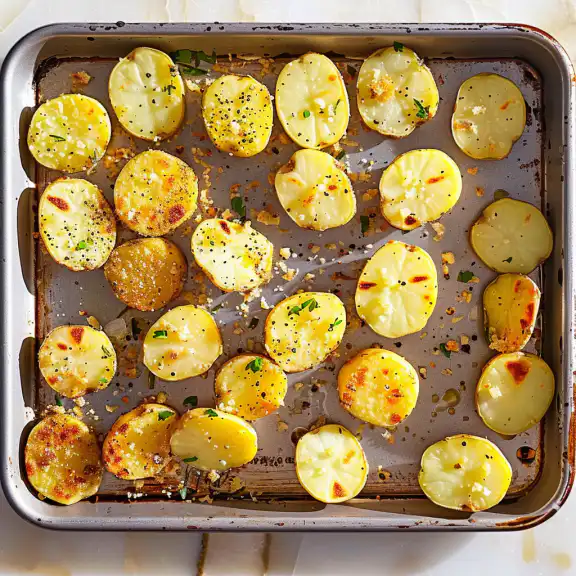
Proper storage and reheating are crucial for enjoying these potatoes even after the initial meal. The goal with reheating is to bring them back to a pleasant temperature and texture without making them tough or overcooked.
Leftover Ideas
- Potato Hash: Dice any leftover chicken or sausage, chop some onions and peppers, and sauté them in a skillet. Add the leftover melting potatoes and cook until everything is heated through and slightly crisped.
- Shepherd’s Pie Topping: Mash the leftover melting potatoes thoroughly (they should be very yielding) and use them as a creamy topping for a savory meat or lentil filling.
- Frittata or Omelet Addition: Chop the potatoes and fold them into an egg mixture for a heartier breakfast or brunch dish.
- Loaded Potato Skins: Scoop out the insides of baked potatoes, mix them with the leftover melting potatoes, cheese, and other desired toppings, then stuff back into the potato skins and bake until golden.
- Simple Side Upgrade: Even when served as a plain side again, a sprinkle of extra cheese or a drizzle of hot sauce can elevate them.
Don’t let those delicious leftovers go to waste! Melting potatoes are wonderfully adaptable, and these ideas offer creative ways to transform them into entirely new dishes. Their inherent creaminess and richness make them a fantastic base for various culinary creations.
PrintMelting Potatoes
- Total Time: 50 minutes
- Yield: 4–6 servings 1x
- Diet: Vegetarian
Description
Create incredibly tender and flavorful melting potatoes with this simple pan-fried and simmered recipe. A comforting side dish that’s easy to make.
Ingredients
- 2 pounds Yukon Gold potatoes, peeled and cut into 1.5-inch chunks
- 4 tablespoons unsalted butter
- 1 cup low-sodium chicken broth (or vegetable broth)
- 2 cloves garlic, minced
- 1 teaspoon dried rosemary (or 1 tablespoon fresh, chopped)
- Salt, to taste
- Freshly ground black pepper, to taste
- Fresh parsley, chopped, for garnish (optional)
Instructions
- 1. Place potato chunks in a saucepan, cover with cold water by about an inch, and add salt. Boil for 8-10 minutes until fork-tender but not falling apart.
- 2. While potatoes boil, melt butter in a large oven-safe skillet over medium heat. Add minced garlic and dried rosemary (if using dried) and cook for 30 seconds until fragrant.
- 3. Drain par-boiled potatoes thoroughly.
- 4. Add drained potatoes to the skillet. Season with salt and pepper.
- 5. Sear potatoes for 5-7 minutes undisturbed until golden brown on one side. Toss or flip and sear for another 5-7 minutes until browned on multiple sides.
- 6. Pour chicken broth into the skillet. Add fresh rosemary now if using. Bring to a simmer.
- 7. Cover the skillet tightly. Reduce heat to medium-low and simmer for 10-15 minutes until potatoes are very tender and liquid has reduced.
- 8. Remove lid, increase heat slightly if needed to reduce any remaining liquid into a glaze.
- 9. Taste and adjust seasoning. Garnish with fresh parsley before serving.
Notes
Store cooled leftover potatoes in an airtight container in the refrigerator for 3-4 days. Reheat in a skillet with a little added butter or oil over medium heat until heated through. Alternatively, reheat in the oven at 350°F (175°C) for 10-15 minutes.
- Prep Time: 15 minutes
- Cook Time: 35 minutes
- Category: Side Dish
- Method: Pan-Fried and Simmered
- Cuisine: American
Nutrition
- Serving Size: 1 serving
- Calories: N/A
- Sugar: N/A
- Sodium: N/A
- Fat: N/A
- Carbohydrates: N/A
- Fiber: N/A
- Protein: N/A