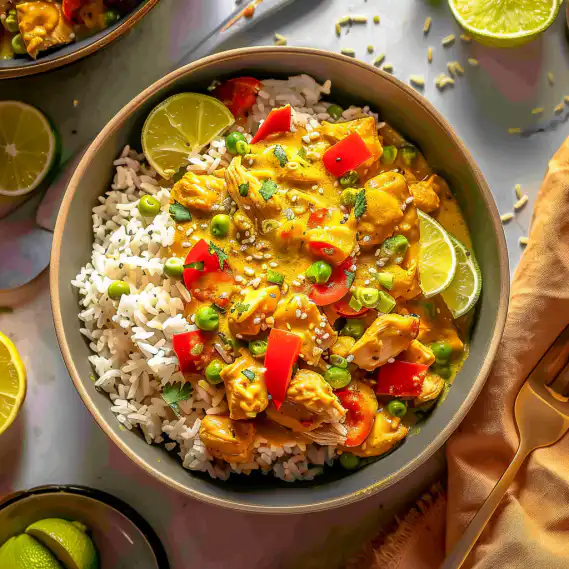
This easy coconut chicken rice bowl recipe is a weeknight favorite in my kitchen. It’s flavorful, quick to assemble, and uses simple ingredients you likely have on hand. It satisfies that craving for something a little more exciting than plain chicken and rice without a lot of fuss.
Why This Easy Coconut Chicken Rice Bowl Works
This recipe truly shines because it offers a wonderful balance of flavor and texture. The creamy coconut milk enriches the chicken, while the fragrant jasmine rice provides a soft, comforting base.
Ingredients
For the Chicken and Sauce:
- 1 tablespoon olive oil or coconut oil
- 1 pound boneless, skinless chicken breasts or thighs, cut into bite-sized pieces
- 1 small yellow onion, thinly sliced
- 2 cloves garlic, minced
- 1 teaspoon grated fresh ginger (or ½ teaspoon ground ginger)
- 1 can (13.5 ounces) full-fat coconut milk
- 2 tablespoons soy sauce (or tamari for gluten-free)
- 1 tablespoon brown sugar (or maple syrup)
- 1 teaspoon lime juice (from about half a lime)
- ½ teaspoon red pepper flakes (optional, for a touch of heat)
- Salt and freshly ground black pepper to taste
For the Rice:
- 1 cup jasmine rice
- 1 ¾ cups water (or according to package directions)
- ½ teaspoon salt (optional)
For Serving (Optional, but Recommended!):
- Fresh cilantro, chopped
- Lime wedges
- Chopped peanuts or cashews
- Sliced green onions
- Steamed or sautéed vegetables (broccoli, bell peppers, snap peas)
We’ll walk through the steps to create this flavorful dish, focusing on techniques that make it approachable and enjoyable for everyone in the family. The beauty of this recipe lies in its simplicity, allowing the natural flavors of the ingredients to shine through. It’s a foundation that can be adapted with different vegetables or spice levels, making it a versatile addition to any meal rotation.
Check this out: Coconut Red Curry Chicken Udon Recipe
How to Make It
- Cook the Rice: Rinse the jasmine rice under cold water until the water runs clear. This step helps remove excess starch, leading to fluffier rice. In a medium saucepan, combine the rinsed rice, water, and salt (if using). Bring to a boil over medium-high heat, then reduce heat to low, cover, and simmer for 15-18 minutes, or until all the water is absorbed.
- Prepare the Chicken: While the rice is cooking, pat the chicken pieces dry with paper towels. Season them generously with salt and pepper. In a large skillet or wok, heat the olive oil or coconut oil over medium-high heat.
- Sauté Aromatics: Reduce the heat to medium. Add the thinly sliced onion to the same skillet. Cook, stirring occasionally, until softened and slightly browned, about 5-7 minutes. If the pan seems dry, you can add a tiny splash more oil.
- Make the Coconut Sauce: Pour in the full-fat coconut milk, soy sauce (or tamari), brown sugar (or maple syrup), lime juice, and red pepper flakes (if using). Stir to combine, scraping up any browned bits from the bottom of the skillet. Bring the sauce to a gentle simmer and cook for about 5 minutes, allowing it to thicken slightly.
- Combine and Finish: Return the cooked chicken to the skillet with the coconut sauce. Stir to coat the chicken evenly. Let it simmer for another 2-3 minutes, just until the chicken is heated through and coated in the glossy sauce. This brief simmer allows the chicken to absorb the flavors of the sauce.
- Assemble the Bowls: To serve, spoon a generous portion of the fluffy jasmine rice into each bowl. Top with the saucy coconut chicken. Garnish with fresh cilantro, lime wedges, chopped nuts, and sliced green onions as desired. This final step brings together all the elements for a beautiful and delicious meal.
This process, from starting the rice to serving the final dish, is designed to be efficient, making this an ideal weeknight meal solution. The steps are logical and build upon each other, ensuring that even novice cooks can achieve excellent results. The aroma that fills your kitchen as the sauce simmers is truly inviting, a testament to the simple yet potent flavors at play.
Nutrition at a Glance
- Protein: Chicken is a primary source of lean protein, essential for muscle repair and satiety. A standard serving can contribute significantly to your daily protein intake, making it a filling and energizing meal component.
- Carbohydrates: Jasmine rice provides complex carbohydrates for energy. These are the body’s primary fuel source, and this dish offers a satisfying amount. The type of rice, whether white jasmine or brown jasmine, will influence the glycemic index and fiber content.
- Healthy Fats: Coconut milk contributes healthy fats, contributing to the dish’s creamy texture and richness. Full-fat coconut milk is a source of medium-chain triglycerides (MCTs), which the body metabolizes differently than other fats.
- Vitamins and Minerals: Depending on added vegetables, you can boost the intake of vitamins like C and A, as well as minerals such as potassium and magnesium. For example, adding broccoli will contribute Vitamin C and K, while bell peppers will add Vitamin C and A.
- Fiber: While the base recipe is not high in fiber, adding vegetables like broccoli or snap peas can significantly increase the fiber content. Fiber is crucial for digestive health and can contribute to a feeling of fullness.
It’s always a good idea to adjust portion sizes and toppings to meet your individual dietary needs and goals. For instance, if managing sodium intake, opt for low-sodium soy sauce. If seeking to increase fiber, prioritize adding plenty of fresh vegetables.
How to Serve It
- Build Your Base: Start with a generous scoop of warm, fluffy jasmine rice at the bottom of your bowl. This ensures a solid foundation for all the delicious toppings. The slight chewiness of the rice pairs wonderfully with the tender chicken and creamy sauce.
- Centerpiece: Spoon the saucy coconut chicken over the rice. Make sure to get a good amount of the creamy sauce spooned over too. The glistening sauce should coat the chicken appealingly, promising rich flavor.
- Garnishes Galore: This is where you can add color, flavor, and texture. These finishing touches are often what elevate a good dish to a memorable one, adding visual appeal as well as sensory complexity.
- Fresh Herbs: A sprinkle of fresh cilantro adds a bright, herbaceous note. The vibrant green against the creamy sauce is visually striking.
- Citrus Zing: Lime wedges are a must. A squeeze of fresh lime juice just before eating cuts through the richness and brightens all the flavors, awakening the palate.
- Crunch Factor: Chopped roasted peanuts or cashews provide a delightful crunch and a nutty depth. Toasted sesame seeds are another great option, offering a subtle toasted flavor and a delicate crispness.
- A Touch of Green: Sliced green onions offer a mild oniony bite and visual appeal. Their fresh, sharp flavor complements the richness of the coconut.
- Spicy Kick: For those who like a little heat, a few thinly sliced red chilies or a drizzle of sriracha can be added. This allows for personalized heat levels and adds another dimension of flavor.
- Add a Vegetable Side: For a more complete meal, serve with a side of steamed or quickly sautéed vegetables. Broccoli florets, snap peas, bell peppers, or even a simple side salad work wonderfully. This not only adds nutrients but also balances the richness of the coconut sauce, offering a refreshing contrast.
Serving this dish family-style, with all the toppings in separate bowls for people to customize their own, is also a fun option. It allows everyone to create their ideal flavor profile, fostering a sense of engagement and enjoyment around mealtime. The act of building one’s own bowl can make the meal feel more personal and satisfying.
Common Mistakes
- Crowding the Pan When Searing Chicken: Adding too much chicken to the skillet at once lowers the pan’s temperature. This causes the chicken to steam rather than sear, resulting in less browning and a less appealing texture. Cook the chicken in batches if needed to ensure proper caramelization and a more flavorful, tender result.
- Overcooking the Garlic and Ginger: These aromatics cook very quickly. If they burn, they can impart a bitter taste to the entire dish. Add them towards the end of sautéing the onions and cook just until fragrant, typically no more than a minute, to preserve their sweet and pungent notes without introducing bitterness.
- Using Low-Fat Coconut Milk: While low-fat coconut milk can work in some recipes, for this dish, it won’t achieve the same creamy, rich sauce. Full-fat coconut milk is essential for the luxurious texture and flavor profile of this easy coconut chicken rice bowl. The fat content is what gives it its characteristic mouthfeel and depth.
- Not Tasting and Adjusting Seasoning: Recipes are a guide, but your ingredients and palate may differ. Always taste the sauce before adding the chicken back and adjust salt, pepper, sweetness, and acidity (lime juice) as needed. This is crucial for bringing out the best flavors and ensuring the dish is perfectly balanced for your taste.
- Using Stale Spices: While not explicitly in the base recipe, if you choose to add other spices, ensure they are fresh for optimal flavor. Old, dusty spices lose their aromatic potency and can lead to a muted or off flavor.
- Skipping the Rice Rinse: For jasmine rice, rinsing is important for achieving a light, fluffy texture. Skipping it can lead to gummy or clumpy rice, which detracts from the overall experience of the bowl. The rinse removes excess starch, allowing the grains to remain separate and tender.
Avoiding these common errors will help ensure you get a consistently delicious and satisfying easy coconut chicken rice bowl every time you make it. Each step, from preparation to final seasoning, plays a role in the overall success of the dish, demonstrating that attention to detail, even in simple recipes, yields superior results.
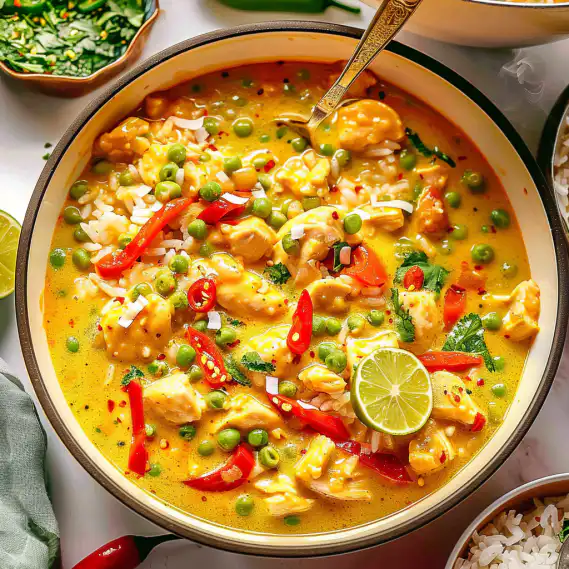
Storage and Reheating
- Cooling Down: Allow the cooked chicken and rice to cool slightly at room temperature before transferring them to storage containers. This prevents condensation buildup, which can make food soggy and potentially lead to faster spoilage. A brief cooling period is essential for food safety and quality.
- Airtight Containers: Store the cooled chicken and sauce mixture in an airtight container. Store the rice separately in another airtight container. This helps maintain the textures of both components, preventing the rice from becoming overly saturated by the sauce or the chicken sauce from drying out.
- Refrigeration: Refrigerate leftovers promptly. They are best consumed within 3-4 days. Storing them below 40°F (4°C) inhibits bacterial growth and preserves freshness.
- Reheating the Rice: To reheat the rice, you can gently warm it in a saucepan over low heat with a teaspoon or two of water, or microwave it until heated through. Fluff with a fork. Adding a splash of water helps to rehydrate the rice and prevent it from becoming dry.
- Reheating the Chicken: Reheat the chicken and sauce gently in a skillet over low heat, stirring occasionally, until warmed through. You can also microwave it, but be careful not to overheat it, as the chicken can become tough and dry if exposed to overly high heat for too long. Gentle, even heating is preferred.
- Combining After Reheating: Once both the rice and chicken are reheated, combine them in a bowl. You may want to add a fresh squeeze of lime or a sprinkle of fresh cilantro to brighten the flavors and add a touch of freshness that might have diminished during storage.
Proper storage and careful reheating will help preserve the quality and taste of your easy coconut chicken rice bowl leftovers. By following these guidelines, you can ensure that your second serving is almost as delightful as the first. It’s about preserving that carefully crafted balance of flavors and textures, making sure the dish remains enjoyable and safe to eat.
Leftover Ideas
- Savory Pancakes or Fritters: Chop leftover chicken and rice into smaller pieces. Mix with a little flour, egg, and maybe some chopped green onions or cilantro. Pan-fry small patties until golden and serve with a dipping sauce. This is a great way to create a crispy texture and a new format for the dish.
- Stuffed Bell Peppers or Zucchini: Dice the leftover chicken and rice. Mix with some sautéed vegetables (like onions and mushrooms), a binder (like a bit of cream cheese or a beaten egg), and stuff into halved bell peppers or hollowed-out zucchini halves. Bake until the vegetables are tender. This transforms the bowl into a baked casserole-like dish.
- Quick Fried Rice: This is a classic for a reason. Day-old rice is actually better for fried rice! Chop the leftover chicken into smaller pieces. Sauté some fresh aromatics (garlic, ginger, onion), add the leftover rice and chicken, a splash of soy sauce or tamari, and a scrambled egg. You can add in some frozen peas and carrots for extra flavor and nutrition. It’s a super fast and satisfying meal.
- Flavorful Wraps or Lettuce Cups: Warm the chicken and rice mixture gently. Spoon it into soft tortillas or large lettuce leaves (like butter or romaine). Add fresh toppings like shredded carrots, cucumber, or a spicy mayo. This offers a handheld, refreshing alternative to the bowl format, perfect for lunches on the go.
- Soup Booster: If you’re making a simple vegetable or chicken broth-based soup, adding some of the leftover coconut chicken and rice towards the end of cooking can add a wonderful creaminess and unique flavor profile. It’s a quick way to elevate a simple soup into something more hearty and complex, infusing it with subtle coconut and ginger notes.
These ideas leverage the existing flavors in your easy coconut chicken rice bowl, making it easy to create something new and tasty without starting from scratch. By giving leftovers a second life, you not only save time and money but also explore new culinary possibilities with ingredients you already have on hand, demonstrating that a well-loved dish can continue to delight in multiple forms.
PrintEasy Coconut Chicken Rice Bowl Recipe
- Total Time: 40 minutes
- Yield: 4 servings 1x
Description
A quick and flavorful weeknight meal featuring tender chicken simmered in a creamy coconut sauce, served over fluffy jasmine rice. Simple ingredients, delicious results.
Ingredients
- For the Chicken and Sauce:
- 1 tablespoon olive oil or coconut oil
- 1 pound boneless, skinless chicken breasts or thighs, cut into bite-sized pieces
- 1 small yellow onion, thinly sliced
- 2 cloves garlic, minced
- 1 teaspoon grated fresh ginger (or ½ teaspoon ground ginger)
- 1 can (13.5 ounces) full-fat coconut milk
- 2 tablespoons soy sauce (or tamari for gluten-free)
- 1 tablespoon brown sugar (or maple syrup)
- 1 teaspoon lime juice (from about half a lime)
- ½ teaspoon red pepper flakes (optional, for a touch of heat)
- Salt and freshly ground black pepper to taste
- For the Rice:
- 1 cup jasmine rice
- 1 ¾ cups water (or according to package directions)
- ½ teaspoon salt (optional)
- For Serving (Optional, but Recommended!):
- Fresh cilantro, chopped
- Lime wedges
- Chopped peanuts or cashews
- Sliced green onions
- Steamed or sautéed vegetables (broccoli, bell peppers, snap peas)
Instructions
- 1. Cook the Rice: Rinse the jasmine rice under cold water until the water runs clear. In a medium saucepan, combine the rinsed rice, water, and salt (if using). Bring to a boil over medium-high heat, then reduce heat to low, cover, and simmer for 15-18 minutes, or until all the water is absorbed. Let it stand, covered, for 5 minutes off the heat before fluffing with a fork.
- 2. Prepare the Chicken: While the rice is cooking, pat the chicken pieces dry with paper towels. Season them generously with salt and pepper. In a large skillet or wok, heat the olive oil or coconut oil over medium-high heat. Add the chicken in a single layer (cook in batches if necessary to avoid crowding the pan). Cook for about 3-4 minutes per side, until golden brown and cooked through. Remove the chicken from the skillet and set it aside.
- 3. Sauté Aromatics: Reduce the heat to medium. Add the thinly sliced onion to the same skillet. Cook, stirring occasionally, until softened and slightly browned, about 5-7 minutes. Add the minced garlic and grated ginger and cook for another minute until fragrant.
- 4. Make the Coconut Sauce: Pour in the full-fat coconut milk, soy sauce (or tamari), brown sugar (or maple syrup), lime juice, and red pepper flakes (if using). Stir to combine, scraping up any browned bits from the bottom of the skillet. Bring the sauce to a gentle simmer and cook for about 5 minutes, allowing it to thicken slightly. Taste and adjust seasoning.
- 5. Combine and Finish: Return the cooked chicken to the skillet with the coconut sauce. Stir to coat the chicken evenly. Let it simmer for another 2-3 minutes, just until the chicken is heated through and coated in the glossy sauce.
- 6. Assemble the Bowls: To serve, spoon a generous portion of the fluffy jasmine rice into each bowl. Top with the saucy coconut chicken. Garnish with fresh cilantro, lime wedges, chopped nuts, and sliced green onions as desired.
Notes
Store any leftover chicken and rice in separate airtight containers in the refrigerator for up to 3-4 days. Reheat the rice gently in a saucepan or microwave with a splash of water. Reheat the chicken and sauce in a skillet over low heat until warmed through. Brighten flavors with a fresh squeeze of lime and cilantro before serving.
- Prep Time: 15 minutes
- Cook Time: 25 minutes
- Category: Main Course
- Method: Stovetop
- Cuisine: Asian-Inspired
Nutrition
- Serving Size: 1 serving
- Calories: Approx. 450-550 (varies with portion size and toppings)
- Sugar: Approx. 5-10g (depending on added sweetener)
- Sodium: Approx. 600-800mg (varies with soy sauce)
- Fat: Approx. 18-25g
- Carbohydrates: Approx. 40-50g
- Fiber: Approx. 2-4g (increases with added vegetables)
- Protein: Approx. 30-35g