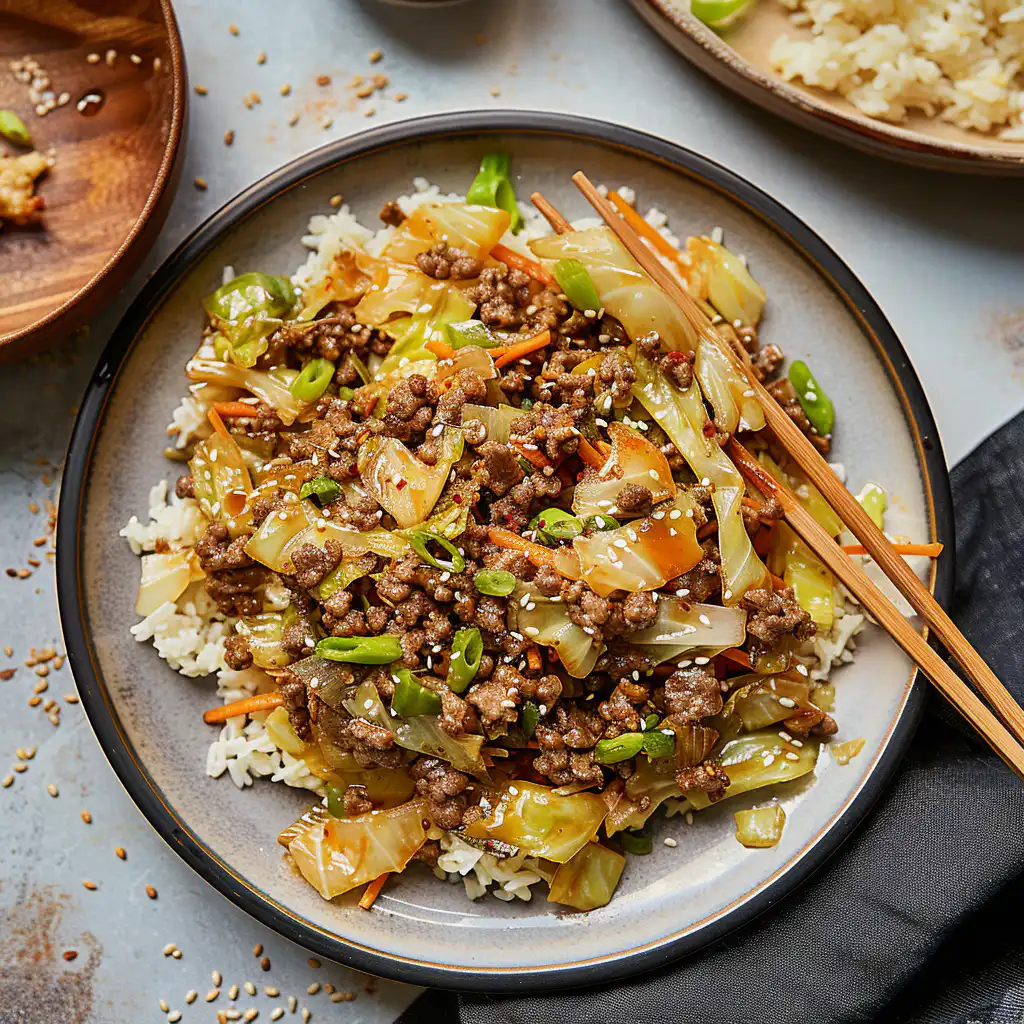
Easy Chinese Ground Beef and Cabbage Stir Fry has become a regular in my rotation. It’s a fantastic way to use up pantry staples and fresh produce, delivering a flavorful and satisfying meal in under an hour.
Why This Easy Chinese Ground Beef and Cabbage Stir Fry Works
This stir fry excels because it’s incredibly balanced. The savory ground beef pairs wonderfully with the slightly sweet and tender cabbage. The simple soy-based sauce coats everything beautifully, and the quick cooking time preserves the crisp-tender texture of the vegetables.
Ingredients
- 1 pound lean ground beef
- 1 tablespoon vegetable oil, or other neutral oil
- 1 medium onion, thinly sliced
- 2 cloves garlic, minced
- 1 teaspoon grated fresh ginger (or ½ teaspoon ground ginger if fresh isn’t available)
- 4 cups shredded cabbage (about ½ head of medium cabbage)
- 1 medium carrot, thinly sliced or julienned
- 1 red bell pepper, thinly sliced (optional, for color and extra sweetness)
- Salt and freshly ground black pepper to taste
- For the Sauce:
- ⅓ cup low-sodium soy sauce (or tamari for gluten-free)
- 2 tablespoons water
- 1 tablespoon brown sugar (or honey/maple syrup)
- 1 teaspoon cornstarch
- ½ teaspoon sesame oil
Gather all your ingredients before you begin. This preparation step is key to a smooth and efficient stir-fry. Having everything chopped, measured, and ready to go ensures you can cook quickly without stopping to prep midway.
You might love this: Ground Beef & Potato Taco Bowl Recipe
How to Make It
- Prepare the Sauce: In a small bowl, whisk together the soy sauce, 2 tablespoons of water, brown sugar, and cornstarch. Set aside. This ensures the cornstarch is fully dissolved and the sauce is ready to go when needed.
- Cook the Beef: Heat the vegetable oil in a large skillet or wok over medium-high heat. Add the ground beef and cook, breaking it up with a spoon, until browned throughout. Drain off any excess grease.
- Sauté Aromatics: Add the thinly sliced onion to the skillet. Cook for 2-3 minutes until slightly softened. Add the minced garlic and grated ginger, and cook for another 30-60 seconds until fragrant, being careful not to burn the garlic. The scent of garlic and ginger hitting the hot pan is one of my favorite cooking indicators.
- Add Vegetables: Add the shredded cabbage, thinly sliced carrot, and optional red bell pepper to the skillet. Stir-fry for 5-7 minutes, or until the vegetables are tender-crisp. You want them cooked through but still with a slight bite. Stirring frequently is essential to ensure even cooking and prevent burning.
- Combine and Sauce: Return the cooked ground beef to the skillet with the vegetables. Stir the sauce mixture again to ensure the cornstarch hasn’t settled at the bottom, and pour it over the beef and vegetables. Stir everything together to coat.
- Thicken the Sauce: Cook for another 1-2 minutes, stirring constantly, until the sauce has thickened and coats the ingredients. The cornstarch will work its magic here, creating a glossy finish.
- Finish and Serve: Stir in the ½ teaspoon of sesame oil. Taste and adjust seasoning if needed. Serve immediately. The sesame oil adds a delightful finish and aroma, so it’s best added right at the end.
This step-by-step guide delivers a wonderful stir-fry every time. The process is designed for efficiency and delicious results.
Nutrition at a Glance
- Protein: Lean ground beef provides a good source of protein, essential for muscle repair and satiety.
- Fiber: Cabbage and carrots offer dietary fiber, crucial for digestive health and helping you feel full.
- Vitamins and Minerals: This dish is rich in Vitamin C from the cabbage and bell pepper, and Vitamin A from the carrots. Garlic and ginger also contribute beneficial antioxidants.
- Lower Sodium Option: Using low-sodium soy sauce helps manage sodium intake without sacrificing flavor.
- Healthier Fats: The use of lean ground beef and a modest amount of vegetable oil keeps the fat content in check.
How to Serve It
- Over Rice: This is the classic pairing. Serve the stir fry over a bed of steamed white rice, brown rice, or even cauliflower rice for a lighter option. The rice absorbs the delicious sauce beautifully.
- With Noodles: Toss with cooked noodles like lo mein, ramen, or even spaghetti for a heartier meal.
- As a Standalone Dish: The stir fry is substantial enough to be enjoyed on its own, especially if you’ve packed it with plenty of vegetables.
- Lettuce Wraps: Spoon the stir fry into crisp lettuce cups (like butter or iceberg lettuce) for a lighter, lower-carb meal.
This versatile stir fry can be adapted to complement a variety of bases and meal preferences.
Common Mistakes
- Overcrowding the Pan: This is perhaps the most common stir-fry sin. If you put too many ingredients in the pan at once, they will steam instead of stir-fry, resulting in soggy vegetables and less flavorful meat. Cook in batches if necessary, especially if you’re doubling the recipe.
- Not Prepping Ingredients Ahead: Stir-frying is a fast process. If you’re scrambling to chop an onion while the garlic is burning, you’ve already fallen behind. Have everything measured, chopped, and ready to go before you even turn on the stove. Your mise en place is your best friend here.
- High Heat is Key (and Caution): While you want high heat for stir-frying to get that characteristic sear and crispness, you also need to be mindful. Burning garlic and ginger is easy if the heat is too high and they’re left unattended for even a moment. Adjust heat as needed for different ingredients.
- Sauce Settles: The cornstarch in the sauce is crucial for thickening, but it can settle at the bottom of the bowl if left too long. Always give the sauce a quick stir before adding it to the pan to ensure it incorporates evenly.
- Overcooking Vegetables: The goal is tender-crisp, not mushy. Cabbage and carrots cook relatively quickly. Add them in stages if you prefer different levels of doneness, or simply stir-fry them until they reach your desired texture.
Avoiding these common pitfalls will significantly improve the outcome of your stir fry.
Storage and Reheating
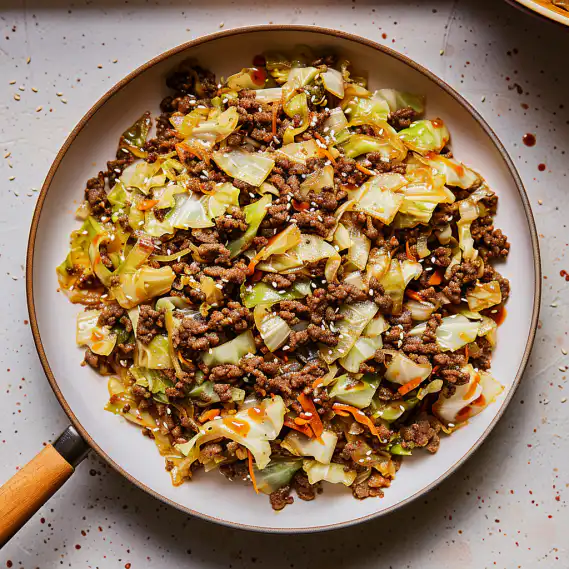
- Storage: Allow the stir fry to cool completely before transferring it to an airtight container. Store in the refrigerator for up to 3-4 days. The flavors tend to meld and deepen overnight, so leftovers are often quite delicious.
- Reheating: The best way to reheat this stir fry is on the stovetop in a skillet over medium heat. Add a splash of water or a little extra soy sauce if it seems dry. Stir until heated through. This helps retain some of the original texture.
- Microwave Reheating: If using a microwave, heat in short intervals, stirring between each, until evenly warm. Be aware that the vegetables may become softer and the texture less crisp than stovetop reheating.
- Freezing: While this dish *can* be frozen, the texture of the cabbage and carrots might change upon thawing, becoming softer. If you do freeze it, ensure it’s cooled completely and stored in freezer-safe containers or bags for up to 2-3 months. Thaw overnight in the refrigerator before reheating.
Proper storage and reheating ensure you can enjoy this meal even after its initial preparation.
Leftover Ideas
- Stir-Fry Fried Rice: Chop up leftover stir fry into smaller pieces and use it as the protein and vegetable component for a quick fried rice. Sauté some cooked rice in a hot skillet with a little oil, then add the chopped stir fry, a splash of soy sauce, and a scrambled egg.
- Stir-Fry Soup: Add the leftover stir fry to a simmering pot of chicken or vegetable broth. You can enhance the broth with a little extra soy sauce, ginger, and garlic. Add some cooked noodles or rice to make it a complete meal.
- Stir-Fry Quesadillas: Place some of the stir fry between two tortillas, top with shredded cheese, and grill or pan-fry until golden and the cheese is melted. This might sound unusual, but the savory Asian flavors with melted cheese can be surprisingly good.
- Stir-Fry Stuffed Peppers: Mix the leftover stir fry with some cooked rice or quinoa. Stuff into bell peppers and bake until the peppers are tender and the filling is heated through.
- Stir-Fry Wraps: Warm the stir fry and spoon it into large flour tortillas or whole wheat wraps. Add some extra greens like spinach or sprouts if desired.
Get creative with your leftovers; this stir fry is a versatile base for many new meals.
Easy Chinese Ground Beef and Cabbage Stir Fry Recipe
- Total Time: 35 minutes
- Yield: 4 servings 1x
Description
A quick and flavorful Chinese ground beef and cabbage stir fry recipe, perfect for busy weeknights. Packed with vegetables and a savory sauce, it’s a simple yet satisfying meal that comes together in under an hour.
Ingredients
- 1 pound lean ground beef
- 1 tablespoon vegetable oil, or other neutral oil
- 1 medium onion, thinly sliced
- 2 cloves garlic, minced
- 1 teaspoon grated fresh ginger (or ½ teaspoon ground ginger if fresh isn’t available)
- 4 cups shredded cabbage (about ½ head of medium cabbage)
- 1 medium carrot, thinly sliced or julienned
- 1 red bell pepper, thinly sliced (optional, for color and extra sweetness)
- Salt and freshly ground black pepper to taste
- For the Sauce:
- ⅓ cup low-sodium soy sauce (or tamari for gluten-free)
- 2 tablespoons water
- 1 tablespoon brown sugar (or honey/maple syrup)
- 1 teaspoon cornstarch
- ½ teaspoon sesame oil
Instructions
- 1. Prepare the Sauce: In a small bowl, whisk together the soy sauce, 2 tablespoons of water, brown sugar, and cornstarch. Set aside.
- 2. Cook the Beef: Heat the vegetable oil in a large skillet or wok over medium-high heat. Add the ground beef and cook, breaking it up with a spoon, until browned throughout. Drain off any excess grease and season lightly with salt and pepper.
- 3. Sauté Aromatics: Add the thinly sliced onion to the skillet. Cook for 2-3 minutes until slightly softened. Add the minced garlic and grated ginger, and cook for another 30-60 seconds until fragrant, being careful not to burn the garlic.
- 4. Add Vegetables: Add the shredded cabbage, thinly sliced carrot, and optional red bell pepper to the skillet. Stir-fry for 5-7 minutes, or until the vegetables are tender-crisp.
- 5. Combine and Sauce: Return the cooked ground beef to the skillet with the vegetables. Stir the sauce mixture again and pour it over the beef and vegetables. Stir everything together to coat.
- 6. Thicken the Sauce: Cook for another 1-2 minutes, stirring constantly, until the sauce has thickened and coats the ingredients.
- 7. Finish and Serve: Stir in the ½ teaspoon of sesame oil. Taste and adjust seasoning if needed. Serve immediately.
Notes
Allow the stir fry to cool completely before transferring it to an airtight container. Store in the refrigerator for up to 3-4 days. Reheat on the stovetop in a skillet over medium heat with a splash of water or soy sauce, or microwave in short intervals.
- Prep Time: 15 minutes
- Cook Time: 20 minutes
- Category: Main Course
- Method: Stovetop
- Cuisine: Chinese-inspired
Nutrition
- Serving Size: 1 serving
- Calories: Approx. 350-450 (varies based on leanness of beef and additions)
- Sugar: Approx. 8-12g
- Sodium: Approx. 800-1200mg (varies based on soy sauce)
- Fat: Approx. 15-25g
- Carbohydrates: Approx. 15-20g
- Fiber: Approx. 3-5g
- Protein: Approx. 25-30g