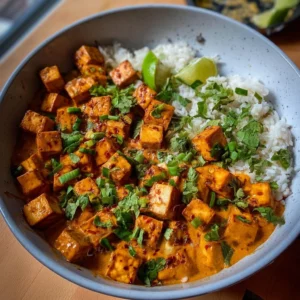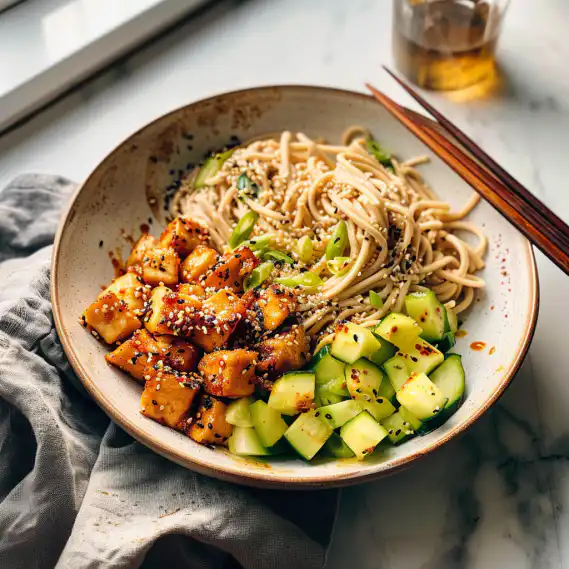
Asian High Protein Sesame Noodles is a weeknight savior. It’s designed to be prepped efficiently, making those busy evenings feel so much more manageable.
Why This Asian High Protein Sesame Works
This recipe is a weeknight warrior because it streamlines the process of getting a nutritious, flavorful meal on the table quickly. By focusing on smart ingredient choices and efficient preparation, it transforms what can feel like a chore into a manageable task.
Ingredients
For the Noodles & Protein:
- 12 ounces whole wheat spaghetti or ramen noodles (or your preferred noodle type for variety and dietary needs)
- 1 pound boneless, skinless chicken breast or thighs, cut into bite-sized pieces (or 1 pound firm or extra-firm tofu, pressed and cubed, for a vegetarian/vegan option, or 1 pound edamame, shelled, for an even quicker protein boost)
- 2 tablespoons olive oil or sesame oil, for cooking protein (choose based on preference; sesame oil adds an extra layer of flavor)
- Salt and freshly ground black pepper, to taste (essential for bringing out the inherent flavors of the protein)
For the Sesame Sauce:
- 1/2 cup tahini (sesame paste) – the creamy, nutty base of our sauce
- 1/4 cup low-sodium soy sauce or tamari (for gluten-free alternative) – provides that essential umami depth
- 2 tablespoons rice vinegar – adds a bright, tangy counterpoint to the richness
- 1 tablespoon honey or maple syrup (for vegan option) – balances the savory and tangy notes with a touch of sweetness
- 1 tablespoon toasted sesame oil – enhances the nutty aroma and flavor significantly
- 1-2 cloves garlic, minced or grated (adjust to your garlic preference) – brings a pungent, aromatic kick
- 1 teaspoon grated fresh ginger – adds warmth and a zesty, aromatic dimension
- 1/4 cup hot water, plus more as needed to reach desired consistency – helps emulsify the sauce and achieve the right texture
- Optional: 1/2 teaspoon sriracha or other hot sauce for a little heat – for those who like a bit of a spicy kick
For the Vegetables:
- 1 head of broccoli, cut into small florets – a great source of fiber and vitamins
- 1 red bell pepper, thinly sliced – adds color, sweetness, and a dose of Vitamin C
- 1 carrot, julienned or thinly sliced – provides sweetness, crunch, and beta-carotene
- Optional additions: snap peas, snow peas, extra edamame, chopped scallions, sesame seeds for garnish – for added texture, flavor, and visual appeal
This collection of ingredients brings together pantry staples and fresh produce to create a balanced and satisfying meal. Having everything measured and ready before you start cooking is key to the efficiency of this recipe, especially on a busy weeknight.
Check this out: Protein Pasta with Mushrooms & Broccoli
How to Make It
- Cook the Noodles: Bring a large pot of salted water to a rolling boil. The salt in the water seasons the noodles from the inside out.
- Prepare the Protein: While the water for the noodles is heating, begin preparing your chosen protein. This is where the recipe’s versatility truly shines.
- Make the Sesame Sauce: In a medium-sized bowl, combine all the ingredients for the sesame sauce: the tahini (which should be well-stirred if it has separated), low-sodium soy sauce or tamari, rice vinegar, honey or maple syrup, toasted sesame oil, minced garlic, and grated fresh ginger.
- Cook the Vegetables (Quick Sauté): You have a couple of excellent options here: a quick sauté or steaming. For a speedy sauté, add another tablespoon of oil to the same skillet you used for the protein (giving it a quick wipe if there are any burnt bits to prevent off-flavors).
- Combine Everything: Now it’s time to bring all the delicious components together. Add the drained noodles back into the skillet with the sautéed or steamed vegetables. Add your cooked protein of choice (chicken, tofu, or edamame) to the skillet.
- Serve or Portion: Your Asian High Protein Sesame Noodles are now ready! Serve them immediately in bowls, garnished with chopped fresh scallions for a touch of freshness and crunch, and a sprinkle of toasted sesame seeds for added flavor and visual appeal.
Nutrition at a Glance
- High Protein Content: This dish is a powerhouse of protein, primarily derived from the chicken, tofu, or edamame. This is essential for muscle repair and growth, and it plays a significant role in keeping you feeling full and satisfied for longer periods, which can be a crucial factor in managing appetite and supporting weight management goals.
- Complex Carbohydrates and Fiber: The use of whole wheat noodles provides complex carbohydrates, which are digested more slowly than refined grains, offering a sustained release of energy. They also contribute valuable dietary fiber, supporting digestive health and contributing to that feeling of fullness.
- Healthy Fats: The tahini and toasted sesame oil in the sauce are excellent sources of healthy monounsaturated and polyunsaturated fats. These fats are important for overall health, including cardiovascular function, and they also aid in the absorption of fat-soluble vitamins present in the vegetables.
- Rich in Vitamins and Minerals: The assortment of vegetables – broccoli, bell peppers, and carrots – provides a good spectrum of essential vitamins and minerals. You’ll find Vitamin C from the bell peppers, Vitamin A (in the form of beta-carotene) from the carrots, and various B vitamins and minerals from the broccoli, along with beneficial antioxidants.
- Sodium Control Achieved: By specifically calling for low-sodium soy sauce or tamari, this recipe allows for better management of sodium intake. This is important for individuals monitoring their blood pressure or who are generally aiming to reduce their sodium consumption without sacrificing the savory depth of Asian-inspired cuisine.
These nutritional benefits make this dish a well-rounded option for a balanced diet, especially when aiming for higher protein intake without compromising on flavor or ease of preparation.
How to Serve It
- Garnished Plates for Presentation: Serve the hot noodles in individual bowls. A generous sprinkle of freshly chopped scallions adds a mild, fresh oniony bite that cuts through the richness of the sauce and adds a vibrant green color. Toasted sesame seeds are also essential for both their nutty aroma and the satisfying crunch they provide. For those who appreciate a little heat, a pinch of red pepper flakes can be added for both visual appeal and a subtle spicy kick.
- As a Standalone Complete Meal: The dish is thoughtfully constructed to be a balanced meal in itself. It provides a harmonious blend of carbohydrates for energy, protein for satiety and muscle support, and a good dose of vegetables for vitamins, minerals, and fiber. You won’t find yourself needing to scramble for a side dish; it’s designed to be comprehensive and filling on its own.
- With Fresh, Complementary Additions: To introduce a refreshing contrast to the savory and somewhat rich noodles, consider serving it with a light, crisp side. A simple cucumber salad, perhaps dressed with rice vinegar, a touch of sesame oil, and a pinch of salt, offers a cooling and acidic counterpoint. Alternatively, a quick slaw made from shredded cabbage and carrots, also dressed with a light vinaigrette, can provide a delightful textural contrast and a burst of freshness.
- Chilled Noodle Salad Presentation: These noodles are surprisingly delicious when served cold or at room temperature. This makes them an exceptionally convenient option for packed lunches that can be taken to work or school, or for picnics during warmer weather. The flavors tend to meld and deepen as the dish cools, often making it even more enjoyable the next day.
- Family-Style for Communal Dining: For a more relaxed, communal dining experience, simply combine all the prepared ingredients – noodles, protein, and vegetables – in a large, attractive serving bowl. Place it in the center of the table and allow each family member or guest to serve themselves. This approach also offers the flexibility for individuals to adjust the amount of sauce they prefer or add their own extra garnishes.
The inherent adaptability of this dish makes it suitable for a wide range of occasions, from the most time-crunched weeknight dinner where speed is paramount, to a more leisurely weekend meal.
Common Mistakes
- Overcooking the Noodles: This is a frequent culprit behind a less-than-ideal noodle dish. Mushy, overcooked noodles can detract significantly from the overall texture of your meal, making it feel heavy and unappealing. Always adhere to the package instructions for cooking time, aiming for that perfect al dente texture.
- Incorrect Sauce Consistency: The tahini used can vary in thickness, and the amount of liquid absorbed by the noodles and vegetables can fluctuate from one preparation to another. Begin with the recommended amount of hot water for the sauce and adjust it gradually, adding more just a tablespoon at a time.
- Overcrowding the Cooking Pan: When searing chicken or pan-frying tofu, crowding the pan is a common error that leads to steaming rather than proper searing. This results in less browning, a weaker flavor, and a softer texture.
- Soggy or Limp Vegetables: Overcooking the vegetables is another way to undo the appeal of this dish. Aim for vegetables that are cooked through but still possess a pleasant, crisp texture and vibrant color. Limp, overcooked vegetables can make the entire dish feel less fresh and appealing.
- Neglecting to Taste and Adjust the Sauce: The hallmark of a great sauce is its balanced flavor profile. The interplay of salty, sweet, sour, and nutty notes is crucial. Before combining the sauce with the noodles, take the time to taste it and adjust the seasonings.
- Using Regular Sesame Oil Exclusively: While regular sesame oil has its uses, toasted sesame oil is indispensable for achieving the authentic, deep, nutty flavor of this dish. It has a much more complex and aromatic profile.
- Not Pressing Tofu Adequately: If you choose tofu as your protein, failing to press out sufficient water is a common mistake. This results in a rubbery or watery texture and prevents the tofu from achieving a nice crispy exterior when cooked.
By keeping these common issues in mind and implementing the suggested solutions, you can consistently produce delicious and well-textured Asian High Protein Sesame Noodles that will impress yourself and anyone you share them with.
Storage and Reheating
- Cool Completely Before Storing: This is a critical step in preventing the build-up of condensation within your storage containers. Condensation can lead to sogginess, especially in the noodles and vegetables. Allow the prepared noodles to cool down completely to room temperature before sealing them away.
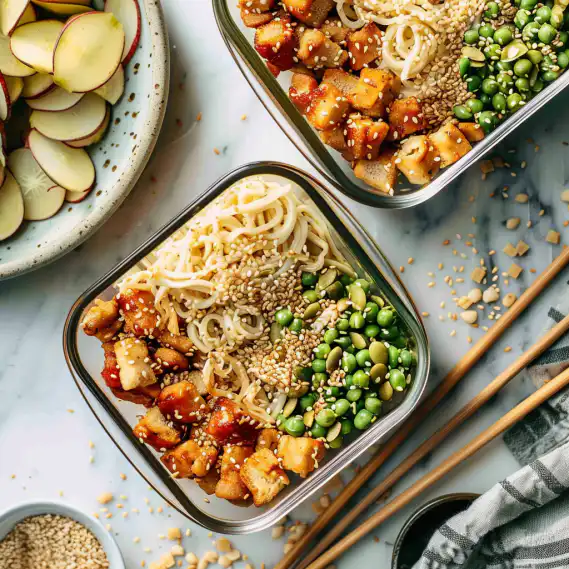
- Use Airtight Containers: To maintain freshness and prevent the absorption of other odors from your refrigerator, store the assembled noodles in well-sealing, airtight containers. If you are portioning this for multiple meals throughout the week, divide the mixture evenly into individual containers.
- Separate Sauce for Optimal Texture (Optional but Recommended): For the absolute best texture, particularly if you plan to store the prepared noodles for more than a couple of days, consider storing the sauce separately from the noodles and other ingredients. You can then add the desired amount of sauce just before reheating or serving.
- Refrigeration Duration: When stored correctly in airtight containers in the refrigerator, these Asian High Protein Sesame Noodles will remain fresh and flavorful for approximately 3 to 4 days. Beyond this timeframe, the quality may start to decline, and it’s best to consume them sooner.
- Avoid Freezing: Freezing is generally not recommended for this particular dish. The texture of the noodles, especially, can become quite compromised upon thawing. They can turn mushy and waterlogged, losing their appealing chewiness.
By adhering to these guidelines for storage and reheating, you can effectively maintain the quality and deliciousness of your prepared Asian High Protein Sesame Noodles, ensuring that your meal prep efforts yield satisfying results throughout the week.
Leftover Ideas
- Noodle Salad Refresh: If you happen to have plain leftover noodles and a bit of the sesame sauce, these can be easily transformed into a delightful cold noodle salad.
- Quick Stir-Fry Base or Addition: The leftover noodles and vegetables can absolutely serve as a fantastic base for a new, quick stir-fry. You can introduce fresh ingredients that require minimal cooking time, such as baby bok choy, sliced mushrooms, or a bag of pre-shredded coleslaw mix.
- Warming Bowl Enhancements: For those days when you’re craving a hearty soup or another type of bowl meal, the leftover noodles can be an excellent addition to provide extra substance and texture.
- Filling for Wraps or Lettuce Cups: The leftover noodle and vegetable mixture (provided it isn’t excessively saucy) can be repurposed as a flavorful filling.
- Savory Pancakes or Fritters: For a more experimental and fun repurposing idea, try mixing the leftover noodles and vegetables with a simple batter. T
These creative ideas help to minimize food waste and maximize the value of your cooking efforts, demonstrating that leftovers can be just as exciting and delicious as the initial meal when approached with a bit of culinary imagination.
PrintAsian High Protein Sesame That Make Weeknight Meal Prep Feel Easier for Weeknight Dinners
- Total Time: 40 minutes
- Yield: 4 servings 1x
Description
Streamline your weeknights with these delicious Asian High Protein Sesame Noodles. Packed with flavor and goodness, this recipe is designed for easy meal prep, making dinners a breeze. Perfect for busy schedules!
Ingredients
- For the Noodles & Protein:
- 12 ounces whole wheat spaghetti or ramen noodles (or your preferred noodle)
- 1 pound boneless, skinless chicken breast or thighs, cut into bite-sized pieces (or 1 pound firm or extra-firm tofu, pressed and cubed, or 1 pound edamame, shelled)
- 2 tablespoons olive oil or sesame oil, for cooking protein
- Salt and freshly ground black pepper, to taste
- For the Sesame Sauce:
- 1/2 cup tahini (sesame paste)
- 1/4 cup low-sodium soy sauce or tamari (for gluten-free)
- 2 tablespoons rice vinegar
- 1 tablespoon honey or maple syrup (for vegan)
- 1 tablespoon toasted sesame oil
- 1–2 cloves garlic, minced or grated
- 1 teaspoon grated fresh ginger
- 1/4 cup hot water, plus more as needed to reach desired consistency
- Optional: 1/2 teaspoon sriracha or other hot sauce for a little heat
- For the Vegetables:
- 1 head of broccoli, cut into small florets
- 1 red bell pepper, thinly sliced
- 1 carrot, julienned or thinly sliced
- Optional additions: snap peas, snow peas, edamame, chopped scallions, sesame seeds for garnish
Instructions
- 1. Cook noodles according to package directions until al dente. Drain and rinse with cold water; toss with a tiny drizzle of sesame oil if meal prepping.
- 2. Prepare protein: If using chicken, season and cook in a skillet with oil until browned and cooked through; set aside. If using tofu, press, cube, and pan-fry until crispy; set aside. If using edamame, cook according to package directions.
- 3. Make sesame sauce: Whisk tahini, soy sauce/tamari, rice vinegar, honey/maple syrup, toasted sesame oil, garlic, ginger, and hot water until smooth. Add more hot water to reach desired consistency. Stir in sriracha if using.
- 4. Cook vegetables: In the same skillet (wiped clean if needed), sauté broccoli, bell pepper, and carrots for about 5-7 minutes until tender-crisp.
- 5. Combine: Add noodles, cooked protein, and vegetables back to the skillet. Pour about two-thirds of the sesame sauce over the mixture and toss to coat. Add more sauce as needed.
- 6. Serve immediately or portion into airtight containers for meal prep. Garnish with scallions and sesame seeds if desired.
Notes
Store cooled leftovers in airtight containers in the refrigerator for up to 3-4 days. Reheat gently in the microwave or on the stovetop, adding a splash of water or extra sauce if needed to prevent drying out. For best texture, consider storing sauce separately.
- Prep Time: 20 minutes
- Cook Time: 20 minutes
- Category: Main Course
- Method: Stovetop
- Cuisine: Asian-inspired
Nutrition
- Serving Size: 1 serving
- Calories: Estimate: ~550-650 kcal (depending on protein choice and portions)
- Sugar: Estimate: ~10-15g
- Sodium: Estimate: ~700-900mg (using low-sodium soy sauce)
- Fat: Estimate: ~25-35g
- Carbohydrates: Estimate: ~50-60g
- Fiber: Estimate: ~8-12g
- Protein: Estimate: ~30-40g