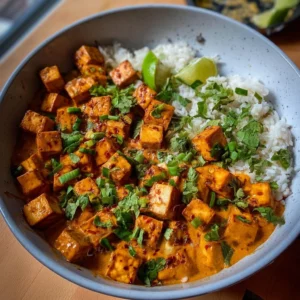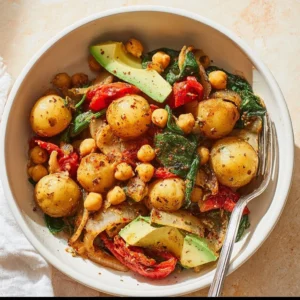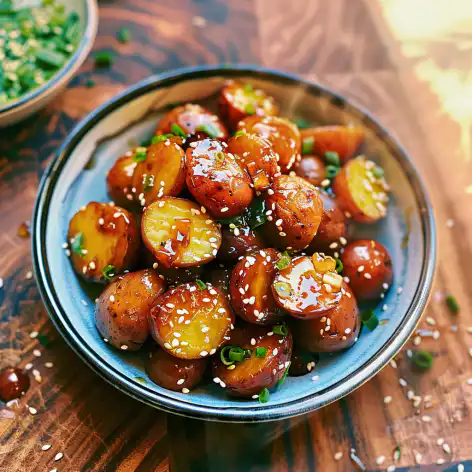
These crispy roasted potatoes bring together sweet honey, savory garlic, and aromatic Asian flavors in one simple side dish. With just five ingredients and minimal prep time, you’ll have golden, caramelized potatoes that pair beautifully with grilled meats, stir-fries, or even as a standalone snack when you’re craving something satisfying.
Why This Asian Honey Garlic Recipe Works
The magic happens when honey caramelizes in the oven, creating a glossy coating that clings to each potato wedge. Garlic infuses every bite with aromatic depth, while soy sauce adds that essential umami backbone. The high heat creates crispy edges while keeping the insides fluffy and tender.
Ingredients
- 2 pounds Yukon Gold potatoes, cut into 1-inch wedges
- 3 tablespoons honey
- 4 cloves garlic, minced
- 2 tablespoons low-sodium soy sauce
- 2 tablespoons vegetable oil
These five simple ingredients create layers of flavor that complement rather than compete with each other.
How to Make It
- Preheat your oven to 425°F (220°C). Line a large baking sheet with parchment paper for easy cleanup.
- Wash and cut the potatoes into uniform wedges, leaving the skin on for extra texture and nutrients. Pat them completely dry with paper towels.
- In a large mixing bowl, whisk together honey, minced garlic, soy sauce, and vegetable oil until well combined.
- Add the potato wedges to the bowl and toss thoroughly, ensuring each piece is evenly coated with the honey garlic mixture.
- Arrange the potatoes in a single layer on the prepared baking sheet, making sure they don’t overlap.
- Roast for 25-30 minutes, flipping once halfway through, until the edges are golden brown and crispy.
- Remove from oven and let cool for 2-3 minutes before serving to allow the coating to set.
The result is beautifully caramelized potatoes with crispy exteriors and fluffy centers that deliver bold Asian-inspired flavors in every bite.
Nutrition at a Glance
- Rich in vitamin C and potassium from the potatoes
- Contains antioxidants and anti-inflammatory compounds from fresh garlic
- Provides complex carbohydrates for sustained energy
- Natural sweeteners from honey offer trace minerals
- Lower in sodium compared to many restaurant-style Asian potato dishes
- Vegetarian and vegan-friendly (honey can be substituted with maple syrup)
- Gluten-free when using tamari instead of regular soy sauce
- Approximately 180 calories per serving
How to Serve It
- Pair with grilled chicken teriyaki for a complete Asian-inspired meal
- Serve alongside beef and broccoli stir-fry as a hearty side dish
- Add to grain bowls with steamed vegetables and your choice of protein
- Enjoy as an appetizer with toothpicks for easy sharing at parties
- Complement Asian lettuce wraps or spring rolls for a themed dinner
- Serve with steamed rice and sautéed bok choy for a vegetarian feast
- Pack in lunch boxes as a flavorful alternative to regular roasted potatoes
These versatile potatoes work equally well as a side dish for weeknight dinners or as part of a larger spread for entertaining guests.
Common Mistakes
- Not drying the potatoes thoroughly – excess moisture prevents proper browning and creates soggy results
- Overcrowding the baking sheet – this causes steaming instead of roasting, leading to mushy textures
- Using the wrong potato variety – waxy potatoes like red or fingerlings won’t achieve the same fluffy interior
- Cutting wedges too small – they’ll burn before the honey caramelizes properly
- Skipping the flip halfway through cooking – this results in uneven browning and tough spots
- Adding salt to the mixture – the soy sauce provides enough sodium, and extra salt can make the dish overly salty
- Using cold honey straight from the refrigerator – it won’t mix properly with the other ingredients
- Not preheating the oven adequately – starting with proper heat ensures immediate searing and caramelization
Avoiding these pitfalls will help you achieve consistently delicious results every time you make this recipe.
Storage and Reheating
- Store leftover potatoes in the refrigerator for up to 3 days in an airtight container
- Reheat in a 400°F oven for 8-10 minutes to restore crispiness
- Avoid microwaving as it makes the coating soggy and ruins the texture
- For meal prep, store cooled potatoes in individual portions for easy reheating
- Add a light drizzle of oil before reheating if the potatoes seem dry
- These potatoes don’t freeze well due to texture changes in the potato flesh
- Consume within the recommended timeframe for best flavor and food safety
Proper storage and reheating techniques help maintain the dish’s appealing texture and concentrated flavors even as leftovers.
Leftover Ideas
- Dice cold potatoes and add to fried rice for extra texture and flavor
- Incorporate into breakfast hash with scrambled eggs and green onions
- Chop and add to ramen bowls as a hearty topping
- Use in grain bowls with quinoa, edamame, and sesame dressing
- Mash slightly and form into patties for crispy potato cakes
- Add to Asian-style salads for substance and sweet-savory flavor
- Incorporate into vegetable spring rolls for a unique filling
- Blend into soups for natural sweetness and body
These creative applications help you avoid food waste while enjoying the flavors in new and exciting ways throughout the week.
Ingredient Variations and Substitutions
While this recipe shines with its simplicity, there are several ways to customize it based on your preferences or dietary needs. For the honey component, you can substitute with maple syrup for a vegan option, or try agave nectar for a milder sweetness. Brown sugar dissolved in a tablespoon of water also works well and creates an even deeper caramelization.
The garlic can be adjusted based on your tolerance – use as little as 2 cloves for mild flavor or up to 6 cloves for garlic lovers. Garlic powder can substitute fresh garlic in a pinch, using about 1 teaspoon, though the flavor won’t be quite as vibrant. For the soy sauce, tamari provides a gluten-free option with similar flavor, while coconut aminos offer a soy-free alternative with slightly sweeter notes.
Vegetable oil works well for its neutral flavor and high smoke point, but you can experiment with sesame oil for more Asian flavor – just use it sparingly as it’s quite potent. Avocado oil and grapeseed oil are excellent alternatives that handle high heat beautifully. For extra flavor depth, try adding a teaspoon of rice vinegar to the mixture, which brightens the overall taste and helps balance the sweetness.
Cooking Tips for Success
Temperature control plays a crucial role in achieving the ideal texture and color. Your oven should be fully preheated before the potatoes go in – this initial blast of heat starts the caramelization process immediately. If your oven runs cool, increase the temperature by 25 degrees and monitor closely to prevent burning.
The size and uniformity of your potato wedges directly impacts cooking time and final texture. Aim for pieces that are roughly 1 inch at their thickest point. Larger pieces may remain raw in the center while smaller ones burn before developing proper caramelization. If you have pieces of varying sizes, you can remove the smaller ones earlier or arrange them in the center of the pan where heat is typically more gentle.
Don’t skip the paper towel step when drying the potatoes. Even after cutting, potatoes release moisture, and any surface water will prevent proper browning. For extra insurance, you can let the cut potatoes sit on paper towels for 5-10 minutes before tossing with the sauce mixture.
When arranging on the baking sheet, give each piece enough space to breathe. Overlapping or crowded potatoes will steam each other, resulting in a mushy texture rather than the crispy exterior you’re aiming for. If you need to make a larger batch, use two baking sheets rather than overcrowding one.
Flavor Enhancements
While the base recipe is delicious as written, small additions can create interesting flavor variations. A pinch of red pepper flakes adds gentle heat that complements the sweet honey coating. Fresh ginger, grated or minced finely, introduces warmth and complexity that pairs beautifully with the garlic.
Sesame seeds, sprinkled over the potatoes during the last 5 minutes of cooking, add nutty flavor and visual appeal. Choose between white and black sesame seeds, or use a combination for contrast. Toasted sesame seeds provide even more flavor if you have them on hand.
Green onions, sliced thin and added after cooking, provide a fresh, sharp contrast to the rich, sweet coating. They also add color and make the dish look more restaurant-quality. Similarly, a light sprinkle of chopped cilantro can brighten the overall flavor profile.
For those who enjoy more complex flavor layers, a small amount of Chinese five-spice powder or a dash of sriracha sauce mixed into the honey coating creates interesting depth without overwhelming the core flavors.
Seasonal Adaptations
This recipe works beautifully year-round but can be adapted to complement seasonal ingredients and occasions. During summer months, serve these potatoes at room temperature as part of a picnic spread or outdoor barbecue. They pair excellently with grilled corn and Asian-style coleslaw for a complete warm-weather meal.
In fall and winter, the warming spices and caramelized sweetness make these potatoes comforting cold-weather fare. Consider adding a small amount of ground ginger or a pinch of cinnamon to echo autumn spice profiles. They work beautifully alongside roasted Brussels sprouts and winter squash for a hearty seasonal side dish combination.
For holiday entertaining, this recipe scales up easily and can be prepared largely in advance. You can cut the potatoes and prepare the sauce mixture several hours ahead, combining them just before roasting. This makes them an excellent choice for potluck dinners or holiday gatherings where oven space and timing are at a premium.
Kitchen Equipment Considerations
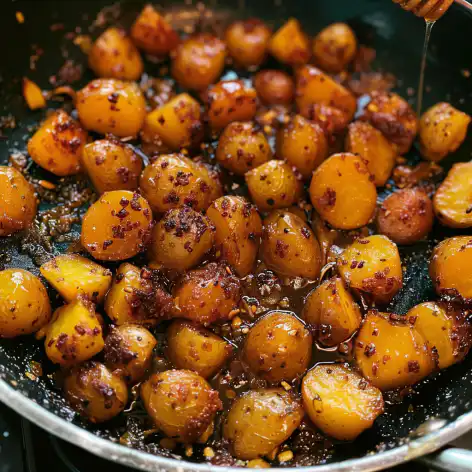
While this recipe doesn’t require specialized equipment, certain tools can improve your results significantly. A large, heavy-duty baking sheet promotes even browning and prevents warping under high heat. Light-colored pans work better than dark ones for this recipe, as dark pans can cause the honey to burn before the potatoes are properly cooked.
Parchment paper is strongly recommended over aluminum foil or a bare pan. The honey mixture can stick and burn on direct metal surfaces, making cleanup difficult and potentially creating bitter flavors. Silicone baking mats work well too, though they may brown the bottom of the potatoes less effectively than parchment.
Print5 INGREDIENT ASIAN HONEY GARLIC POTATOES
- Total Time: 40 minutes
- Yield: 6 servings 1x
- Diet: Vegetarian
Description
Crispy roasted potato wedges coated in a sweet and savory Asian-inspired honey garlic glaze. Simple ingredients create complex flavors in this easy side dish.
Ingredients
- 2 pounds Yukon Gold potatoes, cut into 1-inch wedges
- 3 tablespoons honey
- 4 cloves garlic, minced
- 2 tablespoons low-sodium soy sauce
- 2 tablespoons vegetable oil
Instructions
- 1. Preheat oven to 425°F (220°C). Line a large baking sheet with parchment paper.
- 2. Wash and cut potatoes into uniform wedges, leaving skin on. Pat completely dry with paper towels.
- 3. In a large mixing bowl, whisk together honey, minced garlic, soy sauce, and vegetable oil until well combined.
- 4. Add potato wedges to the bowl and toss thoroughly, ensuring each piece is evenly coated.
- 5. Arrange potatoes in a single layer on the prepared baking sheet, making sure they don’t overlap.
- 6. Roast for 25-30 minutes, flipping once halfway through, until edges are golden brown and crispy.
- 7. Remove from oven and let cool for 2-3 minutes before serving to allow coating to set.
Notes
Store leftovers in refrigerator for up to 3 days. Reheat in 400°F oven for 8-10 minutes to restore crispiness.
- Prep Time: 10 minutes
- Cook Time: 30 minutes
- Category: Side Dish
- Method: Roasting
- Cuisine: Asian
Nutrition
- Serving Size: 1 serving
- Calories: 180
- Sugar: 9g
- Sodium: 290mg
- Fat: 5g
- Carbohydrates: 32g
- Fiber: 3g
- Protein: 3g