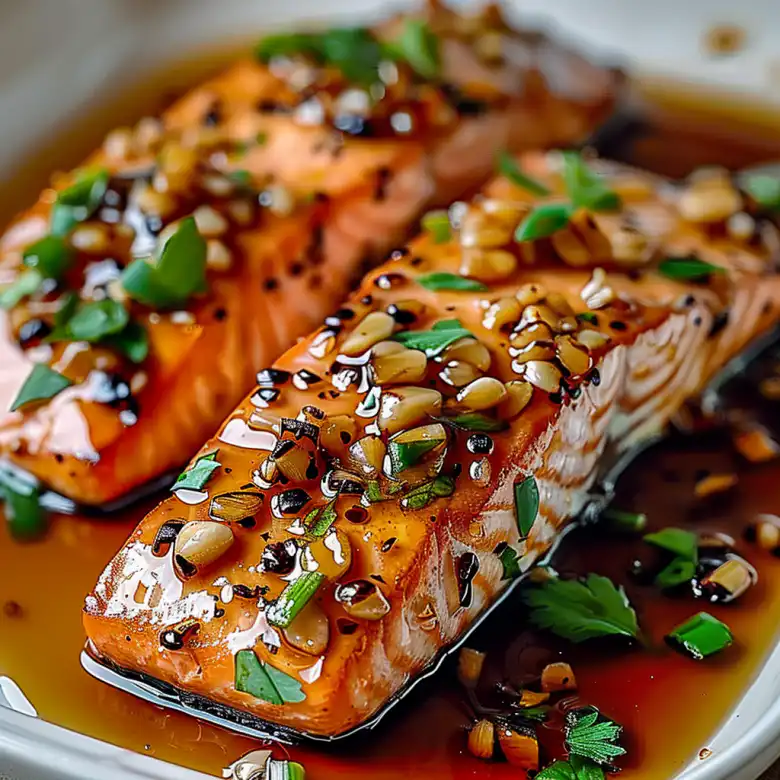
This honey garlic salmon recipe is a staple in my kitchen. It’s surprisingly quick to prepare, making it ideal for busy weeknights, and consistently yields a delicious, well-balanced dish that everyone enjoys. The combination of sweet honey and savory garlic creates a sticky glaze that caramelizes beautifully on the salmon. It’s a dish that impresses without requiring hours of effort or obscure ingredients, making it a true weeknight hero. I’ve found that this method consistently delivers a salmon that is flaky on the inside and has a delightfully sticky, flavorful coating on the outside. It’s the kind of recipe you’ll find yourself returning to again and again, whether you’re cooking for yourself or for a crowd.
Why This Honey Garlic Salmon Works
This quick salmon preparation shines because it balances flavor and texture beautifully. The honey and garlic create a wonderful glaze that cooks fast, while a little bit of heat and some simple seasonings elevate the natural richness of the fish. It’s a straightforward method that delivers impressive results without demanding advanced culinary skills, making it a reliable choice for any home cook. The science behind it is simple: the high heat sears the exterior, creating a desirable crust, while the sugars in the honey caramelize to form that signature sticky glaze. The residual heat then gently cooks the interior of the salmon to a perfect, moist finish. This approach minimizes the risk of overcooking, a common issue with delicate fish like salmon, ensuring a succulent result every time. Preparing the sauce in advance means that once the salmon hits the pan, the rest of the cooking process moves along swiftly, keeping the total time well within the 30-minute timeframe.
Ingredients
Gather these components for a fantastic honey garlic salmon experience:
* 2 salmon fillets (about 6 ounces each), skin on or off, your preference
* 2 tablespoons olive oil or avocado oil
* 1/4 cup honey
* 2 tablespoons soy sauce (or tamari for gluten-free)
* 2 cloves garlic, minced
* 1 teaspoon grated fresh ginger (optional, but recommended)
* 1/2 teaspoon red pepper flakes (adjust to your spice preference)
* Salt and freshly ground black pepper to taste
* Fresh parsley or chives, chopped, for garnish (optional)
* Lemon wedges, for serving (optional)
These ingredients come together to form a flavorful sauce and a perfectly cooked piece of fish. Having everything prepped before you start cooking is key to a smooth and efficient process. I always like to have my garlic minced and ginger grated before I even think about turning on the stove. It streamlines the cooking, reducing any potential for panic or overcooking while I’m fumbling for ingredients. The quality of your salmon will also make a difference; try to get the freshest fillets you can find. Fresh ginger adds a subtle warmth and complexity to the sauce that’s really worth the extra effort if you have it on hand. If you are sensitive to heat, you can omit the red pepper flakes entirely, or use just a pinch to start.
How to Make It
Follow these steps for your very own deliciously glazed salmon:
1. **Prepare the Salmon:** Pat the salmon fillets completely dry with paper towels. This is a crucial step for achieving a good sear, whether you’re leaving the skin on or aiming for a crisp exterior. Season both sides of the salmon generously with salt and freshly ground black pepper. If your salmon has skin, scoring the skin lightly with a sharp knife in a few places can help prevent it from curling as it cooks.
* *My Experience:* I cannot stress enough how important drying the salmon is. I’ve been guilty of rushing this step in the past, and the result was always a less-than-ideal sear. Those paper towels absorb moisture that would otherwise prevent the beautifulMaillard reaction from happening. For skin-on salmon, I often make shallow crosshatch cuts through the skin, being careful not to cut too deeply into the flesh. This helps the skin lay flat in the pan and ensures even crisping, preventing it from buckling up. Seasoning is simple, but don’t be shy. Salt and pepper enhance the natural flavor of the fish and create a base for the glaze.
2. **Make the Honey Garlic Sauce:** In a small bowl, whisk together the honey, soy sauce (or tamari), minced garlic, grated ginger (if using), and red pepper flakes. Set this mixture aside. The aroma will already start to entice you.
* *My Experience:* This is where the magic begins. The sweetness of the honey, the umami of the soy sauce, the pungency of the garlic, and the subtle warmth of the ginger and red pepper flakes create a balanced flavor profile. Whisking everything together ensures it’s well combined before it hits the hot pan. If you’re using fresh ginger, grating it on a microplane is ideal as it disperses its flavor more evenly than chopped ginger. Taste the sauce at this stage – you can adjust the sweetness, saltiness, or spice to your liking. Sometimes, depending on the brand of soy sauce, I might add a tiny splash more honey or a pinch of salt.
3. **Heat the Pan:** Place a large, oven-safe skillet (cast iron works exceptionally well here) over medium-high heat. Add the olive oil or avocado oil. Allow the oil to get hot, but not smoking – you’ll see it shimmer.
* *My Experience:* The pan needs to be properly preheated. I test this by flicking a tiny bit of water into the pan; it should sizzle and evaporate instantly. If the oil is smoking, it’s too hot and will burn the garlic in the sauce. If it’s not hot enough, the salmon will stick. Medium-high heat is usually the sweet spot for getting a good sear without burning the exterior too quickly. Cast iron is my go-to for its superior heat retention and even cooking, but any heavy-bottomed skillet will work.
4. **Sear the Salmon (Skin-Side Down First, if applicable):** Carefully lay the salmon fillets into the hot skillet. If the skin is on, place them skin-side down. You should hear a satisfying sizzle. Cook for about 3-5 minutes, depending on the thickness of the fillets, until the skin is golden brown and starts to crisp up, and you see the color of the salmon begin to change about halfway up the side. Avoid moving the salmon too much during this initial searing phase to allow it to develop a nice crust. If you’re not using skin-on salmon, sear the flesh side for a similar amount of time to develop a beautiful golden-brown exterior.
* *My Experience:* This is the moment of truth for texture. Placing the salmon gently into the hot oil is key. If it sticks immediately, the pan wasn’t hot enough, or the fish wasn’t dry enough. Resist the urge to poke and prod it constantly. Let it develop its crust. For skin-on salmon, this is where you achieve that delightful crispiness. You’ll notice the salmon flesh changing color from translucent to opaque as it cooks upwards. Aim for about halfway up the fillet to be cooked before flipping. For skinless fillets, you’re looking for a good, golden-brown sear on the flesh side.
5. **Flip and Glaze:** Gently flip the salmon fillets using a spatula. Pour the prepared honey garlic sauce evenly over the top of the salmon. The sauce will immediately start to bubble and thicken.
* *My Experience:* Use a thin, flexible spatula for this, especially if the skin is on, to get right underneath without tearing. As you pour the sauce, you’ll see and smell it immediately begin to caramelize on contact with the hot pan and salmon. This is a good sign that the glaze is forming. Try to distribute it evenly across the fillets.
6. **Continue Cooking and Basting:** Reduce the heat to medium. Continue to cook the salmon for another 3-5 minutes, or until it’s cooked through to your desired doneness. As it cooks, use a spoon to baste the salmon with the sauce from the pan. This will create that wonderful sticky, glossy glaze. The internal temperature should reach about 135-140°F for medium-rare, or 145°F for medium, when checked with an instant-read thermometer. The exact time will depend on the thickness of your salmon and your preferred level of doneness.
* *My Experience:* Basting is where the glaze really builds up. Spooning the bubbling sauce over the top of the fillet adds layers of flavor and ensures every bite is coated. This step is also crucial for checking doneness. If you notice the sauce starting to get too thick or sticky, you can add a tiny splash of water or broth to loosen it up. Using an instant-read thermometer is the most accurate way to gauge doneness, preventing the dreaded overcooked salmon. For me, a slight translucence in the very center is perfect, indicating it will be moist and tender.
7. **Rest and Serve:** Once cooked, remove the skillet from the heat. Let the salmon rest in the pan for a minute or two, allowing the flavors to meld and the juices to redistribute. Garnish with fresh chopped parsley or chives, if desired, and serve immediately with lemon wedges on the side.
* *My Experience:* Even a short rest makes a difference. It allows the fish to finish cooking gently and prevents all the delicious juices from running out onto the plate when you cut into it. The fresh herbs add a pop of color and freshness that cuts through the richness of the glaze. Lemon wedges are non-negotiable for me; that burst of citrus brightens everything up beautifully.
This straightforward cooking process ensures that the salmon is flaky, moist, and coated in a delicious, sweet and savory glaze in under 30 minutes from start to finish.
Here’s another great option: Crispy Honey Garlic Glazed Salmon
Nutrition at a Glance
This honey garlic salmon offers a good balance of macronutrients and beneficial nutrients. Here’s a general overview, keeping in mind that exact values can vary based on specific ingredient brands and portion sizes. The focus here is on providing a foundational understanding of the dish’s nutritional contribution.
* **Protein:** Salmon is an excellent source of high-quality protein, critical for muscle repair, enzyme production, and satiety. A 6-ounce fillet provides a significant portion of the daily recommended intake, supporting muscle health and keeping you feeling full longer.
* **Healthy Fats:** Rich in omega-3 fatty acids, particularly EPA and DHA, which are beneficial for heart and brain health. These polyunsaturated fats are known for their anti-inflammatory properties and are vital for overall well-being. The fat content makes the salmon moist and flavorful.
* **Vitamins and Minerals:** A good source of Vitamin D, which is crucial for bone health and immune function, and Vitamin B12, essential for nerve function and red blood cell formation. It also provides selenium, an antioxidant that protects cells from damage, and potassium, important for blood pressure regulation.
* **Carbohydrates:** Primarily from the honey, which contributes to the glaze’s sweetness and caramelization. The amount is relatively small per serving, especially when balanced with the protein and fats.
* **Sodium:** Contributed by the soy sauce; can be adjusted with lower-sodium options or by using tamari. For those monitoring sodium intake, using a reduced-sodium soy sauce or diluting the sauce slightly with water can be effective strategies.
* **Calories:** Moderate, depending on portion size and added oil. A typical 6-ounce serving, prepared as directed, falls within a healthy range for a substantial meal.
This nutritious profile makes salmon a fantastic choice for a healthy and satisfying meal, offering a wealth of benefits beyond just taste.
How to Serve It
This versatile salmon dish pairs wonderfully with a variety of sides that complement its sweet and savory glaze, offering options for different dietary preferences and meal occasions.
* **Steamed Rice:** Classic fluffy white or brown rice is a perfect canvas for soaking up the extra honey garlic sauce. The neutral flavor of rice allows the salmon and its glaze to shine, and the grains themselves are wonderfully absorbent, ensuring no drop of that delicious sauce goes to waste.
* **Quinoa:** A nutty and nutritious grain that provides a slightly different texture and a boost of fiber and protein. Quinoa’s earthy notes can offer a pleasant contrast to the sweetness of the glaze.
* **Roasted Vegetables:** Broccoli, asparagus, green beans, or Brussels sprouts roasted with a little olive oil, salt, and pepper make for a complete and colorful meal. Roasting brings out the natural sweetness of vegetables and provides a nice textural contrast to the soft salmon. I often toss mine with a little garlic powder and a squeeze of lemon before roasting.
* **Simple Salad:** A fresh green salad with a light vinaigrette offers a refreshing contrast to the richness of the salmon. Think mixed greens, cherry tomatoes, cucumber, and a simple lemon-dijon vinaigrette. It’s a light and refreshing accompaniment that balances the meal.
* **Cauliflower Rice:** For a lower-carb option, cauliflower rice is an excellent choice. It absorbs flavors beautifully and can be seasoned to complement the salmon, especially with a touch of garlic and herbs.
* **Mashed Sweet Potatoes or Potatoes:** These offer a comforting and slightly sweet accompaniment. The creamy texture of mashed potatoes pairs well with the glazed salmon, and sweet potatoes provide an additional layer of sweetness that complements the honey.
Serve the salmon directly from the pan, spooning any extra glaze over the top, alongside your chosen sides. A squeeze of fresh lemon juice just before serving can brighten all the flavors and cut through the richness of the glaze, making the entire dish sing.
Common Mistakes
Even with a simple recipe like this, a few missteps can prevent you from achieving the best results. Being aware of these common pitfalls can help you achieve that restaurant-quality salmon at home, making the cooking experience more enjoyable and the outcome more satisfying.
* **Not Drying the Salmon:** Failing to pat the salmon completely dry is a frequent error. Moisture is the enemy of crispiness and a good sear. Damp salmon will steam rather than sear, resulting in a less appealing texture. Always take the time to thoroughly pat it down with paper towels. This is perhaps the single most important step for achieving a beautiful crust and preventing sticking.
* **Overcrowding the Pan:** Putting too many salmon fillets in the pan at once lowers the oil temperature and prevents proper searing. This leads to steaming and a lack of browning and crispiness. Cook the salmon in batches if necessary, ensuring enough space between each piece. A crowded pan is a recipe for soggy salmon.
* **Using the Wrong Pan:** A pan that isn’t hot enough, or one that sticks, can make the salmon difficult to flip and can compromise the crust. An oven-safe skillet, especially cast iron, is ideal as it heats evenly and retains heat well, facilitating a good sear and even cooking. Thin, non-stick pans may not provide the necessary searing power.
* **Not Letting the Pan Get Hot:** Similar to overcrowding, if the pan and oil aren’t sufficiently hot before adding the salmon, the fish will stick and won’t develop a desirable crust. Give the pan adequate time to heat up before introducing the salmon. You should hear an immediate sizzle upon contact.
* **Overcooking the Salmon:** Salmon cooks quickly, and overcooking it is an easy mistake to make, leading to dry, tough fish. Keep a close eye on it, and use an instant-read thermometer for accuracy. It’s better to err on the side of slightly undercooked, as it will continue to cook for a minute or two after being removed from the heat due to residual heat. Aim for the internal temperature to reach around 135-140°F for medium-rare.
* **Burning the Garlic:** The minced garlic in the sauce can burn quickly, especially when exposed to direct heat for too long. While it’s great to have flavor in the sauce, burnt garlic turns bitter and will ruin the glaze. Ensure it’s mixed into the sauce before applying and watch it in the pan. It’s often added to the sauce mixture rather than sautéed separately in the pan to prevent this common issue.
Avoiding these common errors will significantly improve your chances of making consistently delicious honey garlic salmon, transforming it from just “okay” to truly memorable.
Storage and Reheating
Proper storage and reheating ensure that your leftover salmon remains palatable and safe to eat, maximizing the enjoyment of your meal and minimizing waste.
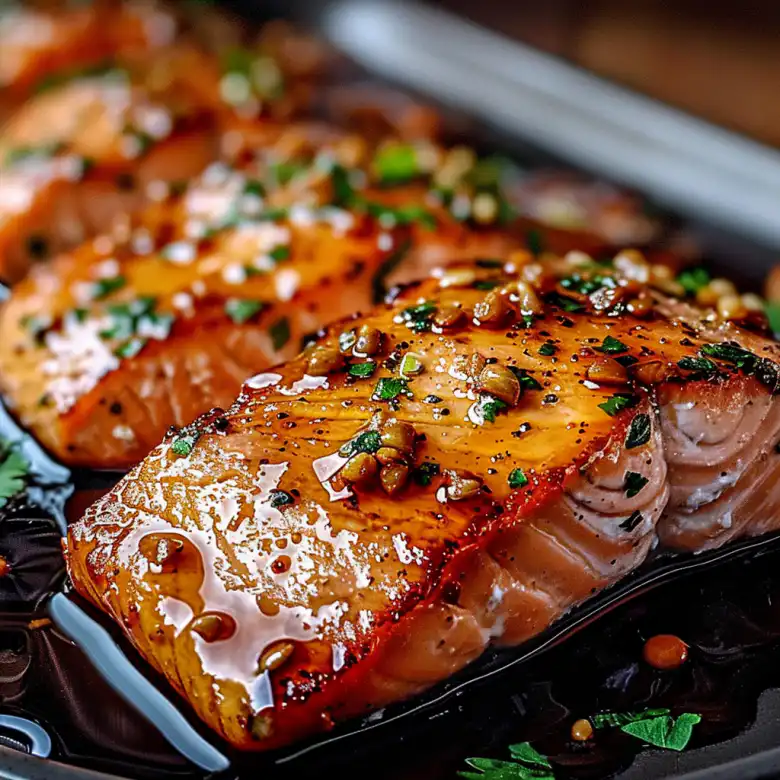
* **Storage:** Allow the cooked salmon to cool completely at room temperature before refrigerating. This prevents condensation from forming in the container, which can make the fish soggy. Transfer the salmon to an airtight container. It should be stored in the refrigerator and will be best consumed within 1-2 days. Keeping it covered tightly helps maintain its moisture and prevents it from drying out.
* **Reheating:** The best method for reheating depends on your preference, but the goal is to gently warm the salmon without drying it out or making the glaze sticky and burnt.
* **Oven:** This is often the best method for retaining moisture and texture. Place the salmon in an oven-safe dish, perhaps with a tablespoon of water or broth to create steam, and cover loosely with foil to prevent drying. Reheat at a low temperature (around 275°F or 135°C) for about 10-15 minutes, or until warmed through. Avoid high temperatures, which will cause the salmon to cook further and become dry.
* **Stovetop:** Gently warm the salmon in a non-stick skillet over low heat with a little bit of oil or water, covered, until heated through. This method works well for individual portions and helps to slightly re-crisp any skin that was originally crispy. Be careful not to scorch the glaze.
* **Microwave:** This is the least recommended method for maintaining texture and moisture, as microwaves can quickly dry out fish. However, if you must use it, opt for a low power setting and heat in short intervals, checking frequently. Place the salmon on a microwave-safe plate and cover loosely with a damp paper towel to help trap moisture.
The key to successful reheating is to use gentle heat and avoid overcooking. The goal is to bring the salmon back to a pleasant serving temperature without compromising its flaky texture.
Leftover Ideas
Don’t let those delicious leftovers go to waste! Honey garlic salmon can be transformed into entirely new and exciting dishes, offering creative ways to enjoy the flavors for days to come.
* **Salmon Salad:** Flake the cold salmon and mix it with mayonnaise, finely diced celery for crunch, a bit of red onion for sharpness, a squeeze of fresh lemon, and any herbs you have on hand (dill is lovely with salmon). This makes a delightful, protein-packed salmon salad. Serve it on crackers, in a sandwich with some crisp lettuce, or piled high on a bed of mixed greens.
* **Salmon Tacos or Bowls:** Flake the salmon and gently reheat it. Serve in warm corn or flour tortillas with your favorite taco toppings such as shredded cabbage slaw, avocado slices, a sprinkle of cheese, and a drizzle of sriracha mayo or a cilantro-lime crema. Alternatively, create a vibrant salmon bowl by serving it over your choice of rice or quinoa alongside roasted or fresh vegetables like corn, black beans, and pico de gallo.
* **Pasta Dish:** Flaked salmon is a fantastic addition to pasta. Gently warm the flaked salmon and toss it into a simple pasta dish. It works beautifully with creamy sauces like Alfredo or a light pesto, or even just with garlic, olive oil, and cherry tomatoes. The residual glaze from the salmon will add an immediate flavor boost to the entire dish.
* **Frittata or Omelet:** For a delicious brunch or light dinner, incorporate flaked salmon into a frittata or omelet. It pairs wonderfully with ingredients like spinach, crumbled feta cheese, chopped chives, and a hint of dill. The savory notes of the salmon will be well complemented by these additions.
* **Salmon Cakes:** Combine flaked, cold salmon with breadcrumbs, an egg to bind, and your preferred seasonings and herbs. Form these into patties and pan-fry them until golden brown and heated through. These salmon cakes are wonderful served with a side salad or a dollop of tartar sauce.
These ideas help extend the enjoyment of your perfectly cooked honey garlic salmon, making it a versatile and flavorful option for multiple meals throughout the week, proving that leftovers can be just as exciting as the original dish.
PrintPerfectly Crispy Honey Garlic Salmon in 30 Minutes
- Total Time: 25-30 minutes
- Yield: 2 servings 1x
Description
Make incredibly delicious and flaky honey garlic salmon with a sticky glaze in under 30 minutes. This easy recipe is perfect for weeknight dinners and uses simple ingredients.
Ingredients
- 2 salmon fillets (about 6 ounces each), skin on or off
- 2 tablespoons olive oil or avocado oil
- 1/4 cup honey
- 2 tablespoons soy sauce (or tamari for gluten-free)
- 2 cloves garlic, minced
- 1 teaspoon grated fresh ginger (optional)
- 1/2 teaspoon red pepper flakes (adjust to taste)
- Salt and freshly ground black pepper to taste
- Fresh parsley or chives, chopped, for garnish (optional)
- Lemon wedges, for serving (optional)
Instructions
- 1. Pat salmon fillets completely dry with paper towels. Season generously with salt and pepper. If using skin-on, score the skin lightly.
- 2. In a small bowl, whisk together honey, soy sauce, minced garlic, grated ginger (if using), and red pepper flakes.
- 3. Heat olive oil in a large, oven-safe skillet over medium-high heat until shimmering.
- 4. Carefully place salmon fillets into the hot skillet, skin-side down if applicable. Sear for 3-5 minutes until golden brown and crisp. If skinless, sear the flesh side.
- 5. Flip salmon fillets. Pour the honey garlic sauce evenly over the tops.
- 6. Reduce heat to medium. Cook for another 3-5 minutes, basting the salmon with the sauce from the pan, until cooked through to your desired doneness (internal temp 135-140°F for medium-rare).
- 7. Remove from heat, let rest for 1-2 minutes. Garnish with fresh herbs and serve with lemon wedges.
Notes
Store cooled leftovers in an airtight container in the refrigerator for up to 2 days. Reheat gently in the oven at 275°F (135°C) for 10-15 minutes, or on the stovetop over low heat to avoid drying out.
- Prep Time: 10 minutes
- Cook Time: 15-20 minutes
- Category: Main Course
- Method: Pan-Seared
- Cuisine: American
Nutrition
- Serving Size: 1 serving
- Calories: 450
- Sugar: 15g
- Sodium: 700mg
- Fat: 25g
- Carbohydrates: 20g
- Fiber: 1g
- Protein: 35g
2 thoughts on “Perfectly Crispy Honey Garlic Salmon in 30 Minutes”