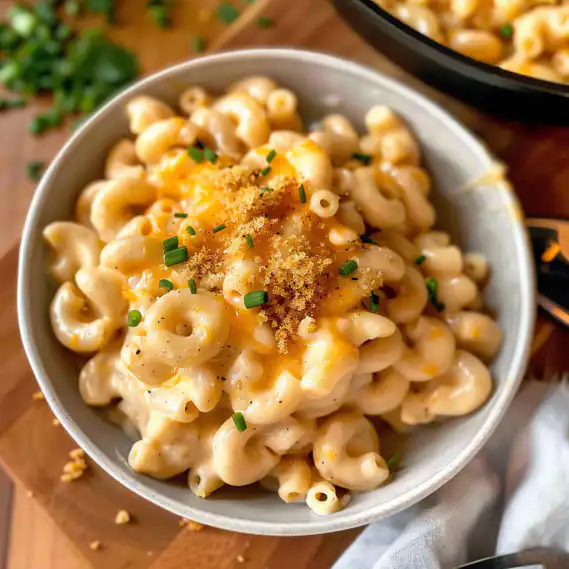
There are some nights when only comfort food will do. You know the feeling – a long day, a rumbling stomach, and a craving for something warm, cheesy, and utterly satisfying. For me, that’s often mac and cheese.
Why This High Protein Mac and Cheese Works
This isn’t just about throwing a scoop of protein powder into your cheese sauce, which, believe me, I’ve tried and can attest doesn’t yield the best results. The magic here lies in the *type* of ingredients we use to build both the creamy base and the protein content.
Ingredients
- 1 pound whole wheat pasta (or legume-based pasta for even more protein)
- 2 tablespoons olive oil or butter
- 1 medium yellow onion, finely chopped
- 2 cloves garlic, minced
- 1/4 cup all-purpose flour (or gluten-free flour blend)
- 3 cups unsweetened almond milk (or other milk of choice, warmed)
- 1 cup low-fat cottage cheese
- 1/2 cup plain Greek yogurt (full-fat or 2%)
- 1 teaspoon Dijon mustard
- 1/2 teaspoon smoked paprika
- 1/4 teaspoon nutmeg (optional, but adds depth)
- Salt and freshly ground black pepper to taste
- 8 ounces sharp cheddar cheese, shredded
- 4 ounces Gruyere cheese, shredded (optional, for added depth and meltiness)
- Optional protein boost: 1/4 cup nutritional yeast (adds cheesy flavor and B vitamins)
Gathering all your ingredients before you start is key to a smooth cooking process. Having everything prepped and ready in its place means you can move through the steps efficiently, ensuring no delicious component gets overlooked or burns while you’re fumbling for the next item.
How to Make It
- Cook the pasta according to package directions until al dente. Drain well and set aside. While the pasta is cooking, you can start on the sauce.
- In a large pot or Dutch oven, heat the olive oil or butter over medium heat. Add the chopped onion and cook until softened and translucent, about 5-7 minutes.
- Add the minced garlic and cook for another minute until fragrant, being careful not to burn it.
- Whisk in the flour to create a roux. Cook, stirring constantly, for 1-2 minutes to cook out the raw flour taste.
- Gradually whisk in the warmed milk, a little at a time. Continue whisking until the sauce is smooth and starts to thicken.
- Add the cottage cheese, Greek yogurt, Dijon mustard, smoked paprika, and nutmeg (if using) to the pot. Stir until well combined and the cottage cheese is mostly broken down into the sauce. This is where the creamy base and protein start to come together.
- Reduce the heat to low and stir in the shredded cheddar and Gruyere cheeses (if using) along with the nutritional yeast (if using). Stir continuously until all the cheese is melted and the sauce is smooth and creamy.
- Add the drained pasta to the pot with the cheese sauce. Gently toss to coat the pasta evenly. Cook for another 1-2 minutes over low heat, allowing the pasta to absorb some of the sauce and everything to meld together.
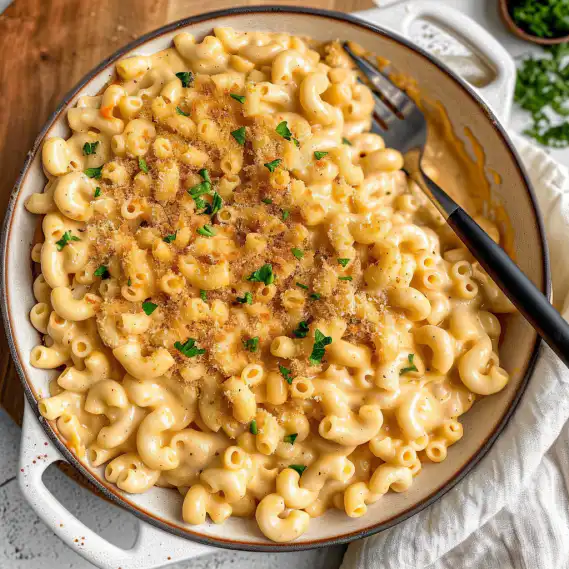
This process ensures that every strand of pasta is coated in a rich, cheesy sauce, and the added protein from the cottage cheese and Greek yogurt is seamlessly integrated, creating a dish that’s both comforting and satisfyingly hearty.
Nutrition at a Glance
- Protein Powerhouse: With the inclusion of cottage cheese, Greek yogurt, and the protein content inherent in whole wheat or legume pasta, this dish significantly boosts your daily protein intake compared to traditional mac and cheese.
- Balanced Carbs: While it’s a pasta dish, opting for whole wheat or legume-based pasta provides more fiber and complex carbohydrates, leading to a more sustained release of energy and better digestive health.
- Healthy Fats: The primary fats come from the cheese and olive oil/butter. Choosing lower-fat dairy options for the cottage cheese and Greek yogurt helps manage the overall fat content without sacrificing creaminess.
- Flavorful & Nutrient-Dense: Ingredients like Dijon mustard and smoked paprika not only add depth of flavor but also contribute antioxidants and beneficial compounds. Nutritional yeast, if used, is a good source of B vitamins.
- Portion Control Consideration: While this dish is more nutrient-dense, like any mac and cheese, it’s still a hearty meal. Being mindful of your serving size is important for overall dietary balance, especially if you’re tracking calories or macronutrients precisely.
This quick overview highlights how this recipe goes beyond just being a comfort food. It’s designed to be a more nourishing option that supports your health goals without demanding a sacrifice in taste or satisfaction.
How to Serve It
- As a Main Course: This high protein mac and cheese is hearty enough to stand on its own as a complete meal. It’s perfect for a satisfying lunch or a comforting dinner after a long day.
- With a Side Salad: A crisp, fresh green salad with a light vinaigrette offers a refreshing contrast to the richness of the mac and cheese, adding extra vitamins and fiber to your meal. Think simple mixed greens, cucumbers, tomatoes, and a lemon-tahini dressing.
- Alongside Lean Protein: For an extra protein boost or to create a more substantial meal, serve it with grilled chicken breast, baked fish, or lean pork tenderloin. This combination is excellent for athletes or those looking to maximize muscle recovery.
- As a Side Dish: It can also be served as a decadent side dish to barbecue pulled pork, roasted chicken, or even a hearty beef stew, adding a creamy, cheesy element to the spread.
The versatility of this dish means it can adapt to various meal settings and dietary needs, making it a valuable addition to your weekly meal rotation.
Common Mistakes
- Not Whisking Constantly: When making the roux and adding the milk, failing to whisk continuously can lead to a lumpy sauce. The flour needs to be dispersed evenly to create a smooth base. Gentle but consistent whisking is your best friend here.
- Overcooking the Pasta: Al dente is key. If you cook the pasta to mush before adding it to the sauce, it will continue to cook in the sauce and can become overly soft and unappealing. Remember, it will be heated again slightly when tossed with the sauce.
- Adding Cold Milk to the Roux: Using warm milk helps the sauce come together more smoothly and prevents the roux from seizing up. It integrates more easily, creating a silkier texture.
- Burning the Garlic or Onions: While you want them softened and fragrant, high heat can quickly turn garlic bitter and onions charred. Keep the heat at a medium or medium-low setting and stir frequently to ensure even cooking.
- Not Tasting and Adjusting Seasoning: Cheese can vary in saltiness, and personal preferences differ. Always taste the sauce before adding the pasta and adjust salt and pepper accordingly. This is your chance to make it truly yours.
- Using Pre-shredded Cheese: Pre-shredded cheese often contains anti-caking agents that can prevent it from melting smoothly into the sauce, resulting in a slightly grainy texture. Grating your own cheese will yield a much creamier, more luxurious sauce.
Avoiding these common pitfalls will dramatically improve the final outcome of your high protein mac and cheese, ensuring a creamy, delicious, and satisfying dish every time.
Here’s another great option: High Protein Hamburger Helper
Storage and Reheating
- Refrigerator Storage: Once cooled, store any leftover mac and cheese in an airtight container in the refrigerator. It will keep well for up to 3-4 days. Ensure the container is properly sealed to prevent it from drying out and absorbing odors from other foods.
- Freezer Storage: While it can be frozen, it’s important to note that the texture might change slightly upon thawing due to the dairy content. If freezing, allow the mac and cheese to cool completely, then transfer to a freezer-safe container or heavy-duty freezer bag.
- Reheating on the Stovetop: This is often the best method for preserving creaminess. Gently reheat the mac and cheese in a saucepan over low heat. You may need to add a splash of milk or a spoonful of water to help loosen the sauce and restore its creamy consistency.
- Reheating in the Oven: For larger quantities, you can reheat in the oven. Transfer the mac and cheese to an oven-safe dish. You might want to cover it with foil to prevent the top from drying out. Bake at around 350°F (175°C) until heated through, usually 20-30 minutes.
- Reheating in the Microwave: This is the quickest method, but can sometimes result in a slightly less creamy texture. Place a serving in a microwave-safe dish. Heat on medium power in 30-second intervals, stirring in between, until heated through. Again, adding a splash of milk can help.
Proper storage and reheating are crucial to enjoying your delicious leftovers. By following these guidelines, you can extend the life of your high protein mac and cheese and savor it just as much as when it was freshly made.
Leftover Ideas
- Mac and Cheese Bites: Let the leftover mac and cheese cool completely. Then, scoop portions into muffin tins or form them into small patties. Bake at 375°F (190°C) until golden brown and slightly crispy. These are great for snacks or appetizers.
- Add-Ins for Stir-Fries: Believe it or not, a small amount of leftover mac and cheese can add a creamy, cheesy element to a vegetable stir-fry. Add it towards the end of cooking and stir until melted and incorporated. It’s an unexpected twist that works well with savory flavors.
- Flavorful Binder for Meatloaf or Meatballs: Incorporate a small amount of cooled mac and cheese into your meatloaf or meatball mixture. It acts as a binder and adds a subtle cheesy flavor, making your dish extra moist and delicious.
- Stuffed Bell Peppers: Mix leftover mac and cheese with some cooked ground meat (beef, turkey, or chicken) and your favorite seasonings. Stuff this mixture into hollowed-out bell peppers and bake until the peppers are tender and the filling is heated through.
- Cheesy Casserole Topping: Use leftover mac and cheese as a topping for other casseroles, like chicken broccoli bake or shepherd’s pie. It adds a comforting, cheesy crust that elevates any baked dish.
- Fried Mac and Cheese Balls: For a truly indulgent treat, cool the mac and cheese thoroughly. Form it into balls, coat in breadcrumbs (or panko for extra crunch), and shallow fry or air fry until golden and melty inside.
Don’t let any of this deliciousness go to waste! With a little creativity, these leftovers can transform into entirely new and exciting dishes, proving that this high protein mac and cheese is a versatile foundation for many meals.
PrintHigh Protein Mac and Cheese – Creamy & Healthy Recipe
- Total Time: 40 minutes
- Yield: 6 servings 1x
- Diet: Vegetarian
Description
Whip up a batch of this High Protein Mac and Cheese – Creamy & Healthy Recipe for a satisfying and nutritious comfort food meal. Packed with protein and flavor, it’s a family favorite.
Ingredients
- 1 pound whole wheat pasta (or legume-based pasta)
- 2 tablespoons olive oil or butter
- 1 medium yellow onion, finely chopped
- 2 cloves garlic, minced
- 1/4 cup all-purpose flour (or gluten-free flour blend)
- 3 cups unsweetened almond milk (or other milk of choice, warmed)
- 1 cup low-fat cottage cheese
- 1/2 cup plain Greek yogurt (full-fat or 2%)
- 1 teaspoon Dijon mustard
- 1/2 teaspoon smoked paprika
- 1/4 teaspoon nutmeg (optional)
- Salt and freshly ground black pepper to taste
- 8 ounces sharp cheddar cheese, shredded
- 4 ounces Gruyere cheese, shredded (optional)
- 1/4 cup nutritional yeast (optional protein boost and flavor enhancer)
Instructions
- 1. Cook pasta according to package directions until al dente. Drain and set aside.
- 2. In a large pot or Dutch oven, heat olive oil or butter over medium heat. Add chopped onion and cook until softened, about 5-7 minutes.
- 3. Add minced garlic and cook for 1 minute until fragrant.
- 4. Whisk in flour to create a roux. Cook, stirring, for 1-2 minutes.
- 5. Gradually whisk in warmed milk until smooth and thickened.
- 6. Add cottage cheese, Greek yogurt, Dijon mustard, smoked paprika, and nutmeg (if using). Stir until combined and cottage cheese is mostly broken down.
- 7. Reduce heat to low. Stir in shredded cheddar, Gruyere (if using), and nutritional yeast (if using) until melted and smooth. Season with salt and pepper to taste.
- 8. Add drained pasta to the sauce and toss to coat. Cook for 1-2 minutes over low heat until just heated through.
Notes
Store leftovers in an airtight container in the refrigerator for up to 3-4 days. Reheat gently on the stovetop with a splash of milk or water for best results. For longer storage, freeze cooled mac and cheese in freezer-safe containers for up to 2-3 months; texture may change slightly upon thawing.
- Prep Time: 15 minutes
- Cook Time: 25 minutes
- Category: Main Course
- Method: Stovetop
- Cuisine: American
Nutrition
- Serving Size: 1 serving
- Calories: Approx. 450-550 (depending on cheese and milk choices)
- Sugar: Approx. 5-8g
- Sodium: Approx. 600-800mg
- Fat: Approx. 15-25g
- Carbohydrates: Approx. 45-55g
- Fiber: Approx. 5-8g
- Protein: Approx. 30-40g