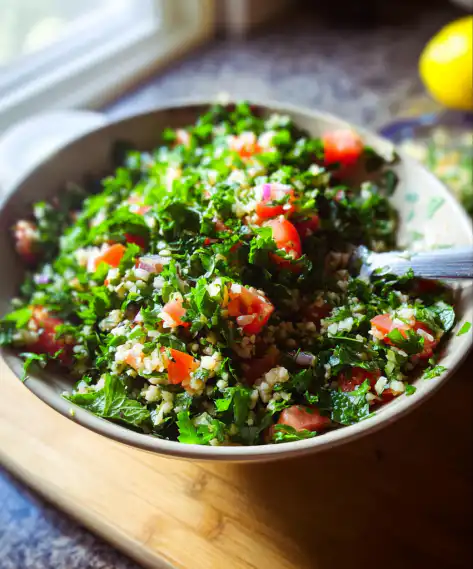
tabbouleh recipe has become a staple in my kitchen. It’s a vibrant, fresh salad that’s as satisfying as it is healthy, perfect for a light lunch or a vibrant side dish. The key is in the proportions and the quality of your ingredients, and this version strikes a delightful balance.
Why This Tabbouleh Works
This tabbouleh recipe shines because it prioritizes fresh, bright flavors and a satisfying texture. It achieves a harmonious balance between the bulgur, herbs, and vegetables, making each bite engaging without being overwhelming.
Ingredients
- 1 cup fine bulgur wheat
- 2 cups boiling water
- 4 cups finely chopped fresh parsley (about 2 large bunches)
- 1 cup finely chopped fresh mint (about 1 large bunch)
- 1 cup finely chopped ripe tomatoes (about 2 medium)
- 1/2 cup finely chopped red onion (about 1/2 medium)
- 1/4 cup extra virgin olive oil
- 1/3 cup fresh lemon juice (from about 2 lemons)
- 1/2 teaspoon salt, plus more to taste
- 1/4 teaspoon black pepper, plus more to taste
- Optional: 1/4 cup finely chopped cucumber
- Optional: A pinch of red pepper flakes for a hint of heat
Gathering these fresh components is the first step to a truly memorable tabbouleh. The quality of your parsley, mint, tomatoes, and olive oil will significantly impact the final flavor, so opt for the freshest you can find.
How to Make It
- Prepare the Bulgur: In a medium bowl, combine the fine bulgur wheat and the boiling water. Stir briefly, then cover the bowl and let it sit for 20 to 30 minutes, or until the water is completely absorbed and the bulgur is tender.
- Chop the Herbs and Vegetables: This is where the magic happens. Finely chop the fresh parsley and mint. The finer you chop them, the more the flavors meld together beautifully. Aim for similar sizes for an even distribution.
- Combine the Ingredients: Add the chopped parsley, mint, tomatoes, red onion, and optional cucumber to the large bowl with the prepared bulgur.
- Make the Dressing: In a small bowl or jar, whisk together the extra virgin olive oil, fresh lemon juice, salt, and black pepper. Taste the dressing and adjust seasoning as needed. You want a bright, zesty flavor.
- Dress the Salad: Pour the dressing over the bulgur and herb mixture. Gently toss everything together until well combined. It’s important to be gentle to avoid bruising the delicate herbs.
- Chill and Marinate: Cover the bowl and refrigerate the tabbouleh for at least 30 minutes (or up to several hours) before serving. This resting period allows the flavors to meld and deepen, transforming a good salad into a magnificent one.
Following these straightforward steps will guide you to a wonderfully flavorful and texturally pleasing tabbouleh that you’ll want to make again and again.
A recipe worth trying: Easy Chili Crisp Snap Pea Salad Recipe
Nutrition at a Glance
- Fiber Rich: The bulgur wheat and fresh vegetables contribute a good amount of dietary fiber, which aids digestion and helps you feel full.
- Vitamin Powerhouse: Abundant in vitamins A, C, and K, primarily from the generous quantities of parsley and mint.
- Antioxidant Boost: The fresh herbs and olive oil provide beneficial antioxidants that support overall health.
- Heart-Healthy Fats: Extra virgin olive oil offers monounsaturated fats, which are good for cardiovascular health.
- Hydrating Properties: The fresh components, especially the tomatoes and cucumber (if used), contribute to your daily fluid intake.
- Low in Calories (with mindful dressing): When prepared with the specified amount of olive oil, it’s a relatively low-calorie dish, making it a great option for those watching their intake.
- Mineral Content: Contains trace minerals like iron and potassium from the various vegetables and grains.
How to Serve It
- As a Side dish: This is perhaps the most traditional way to enjoy tabbouleh. It pairs wonderfully with grilled meats like lamb or chicken, falafel, or even fish. Its freshness cuts through richer flavors beautifully.
- As a Light Lunch: On its own, tabbouleh makes a satisfying and refreshing lunch. The bulgur provides sustained energy, while the herbs and vegetables keep it light.
- As a Dip or Spread: Serve it alongside pita bread, crackers, or vegetable sticks for a healthy and flavorful appetizer.
- In Wraps or Sandwiches: Spoon it into pita pockets or use it as a flavorful filling in other wraps for a more substantial meal.
- As part of a Mezze Platter: Tabbouleh is a classic component of any Middle Eastern mezze spread, complementing dishes like hummus, baba ghanoush, and dolmades.
- As a Base for a Grain Bowl: Layer it with roasted vegetables, grilled halloumi, or chickpeas for a hearty and complete meal.
The versatility of this tabbouleh means it can adapt to almost any meal occasion, adding a burst of freshness and vibrant flavor.
Common Mistakes
- Using Too Much Bulgur: The star of a traditional tabbouleh is the herb, not the grain. If your bulgur overshadows the parsley and mint, it’s out of balance. Aim for a ratio where the herbs are clearly dominant.
- Not Chopping Finely Enough: Inconsistent or large chunks of herbs and vegetables can make the salad texturally jarring. Achieving a fine, uniform chop allows the flavors to meld harmoniously.
- Using Stale or Wilted Herbs: The salad relies on the brightness of fresh herbs. Using old or bruised herbs will result in a dull, less appealing flavor.
- Over-Soaking or Under-Soaking Bulgur: Too much water and time can make the bulgur mushy, while not enough can leave it tough and undercooked. Follow the hydration guidelines carefully.
- Not Letting It Marinate: Tabbouleh truly benefits from a period of rest. Skipping this step means you miss out on the development of deeper, more complex flavors as the ingredients mingle.
- Using Pre-bottled Lemon Juice: The bright, fresh acidity of freshly squeezed lemon juice is crucial. Bottled juices can have a metallic or artificial taste that detracts from the salad.
- Over-Dressing or Under-Dressing: Too much oil can make the salad heavy, while too little lemon juice can make it bland. Adjusting the dressing to your preference is key.
Avoiding these common pitfalls will ensure your tabbouleh is a success, showcasing the authentic flavors and textures of this beloved salad.
Storage and Reheating
- Refrigeration is Key: Store leftover tabbouleh in an airtight container in the refrigerator. It’s best to keep it chilled to maintain freshness.
- Best Consumed Within 2-3 Days: While it can last a bit longer, the fresh herbs tend to lose their vibrancy after a few days. For optimal flavor and texture, aim to finish it within this timeframe.
- Avoid Freezing: Tabbouleh does not freeze well. The fresh herbs and vegetables will become mushy and lose their texture upon thawing.
- No Reheating Needed: Tabbouleh is meant to be served chilled or at room temperature. Reheating it will cook the fresh ingredients and alter its characteristic bright flavor profile.
Proper storage ensures you can enjoy the refreshing taste of your tabbouleh for a few days, though it’s so delicious it might not last that long.
Leftover Ideas
- Revitalize with Fresh Lemon: If the flavors have mellowed slightly, a little extra squeeze of fresh lemon juice can perk up the salad.
- Add More Fresh Herbs: Stir in a small handful of extra chopped parsley or mint to brighten the flavor profile if it seems a bit faded.
- Incorporate into a Main Dish: Mix it into cooked grains like quinoa or couscous to create a flavorful and textured side dish or a light meal.
- Stuff into Bell Peppers: Use it as a filling for bell peppers, which can then be lightly baked or served as is for a refreshing stuffed pepper dish.
- Top Grilled Proteins: Spoon over grilled chicken, fish, or tofu for a vibrant and fresh topping that adds complexity and moisture.
- Enhance Lentil or Bean Salads: Fold into other cold salads, like lentil or chickpea salads, to add a herbaceous and zesty element.
- Mix with Yogurt for a Dip: While not strictly traditional, mixing a small amount with plain Greek yogurt can create a tangy and herb-infused dip for crudités.
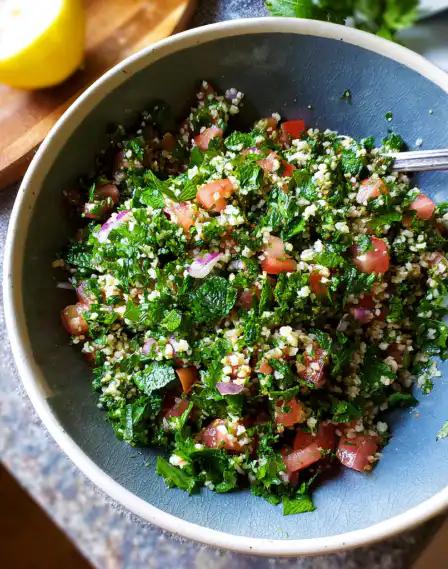
These simple ideas can help you make the most of any leftovers, ensuring no delicious morsels go to waste and introducing new ways to enjoy this versatile salad.
Best Tabbouleh
- Total Time: 1 hour (includes marinating time)
- Yield: 6 servings 1x
- Diet: Vegetarian
Description
A refreshing and vibrant Middle Eastern salad made with fine bulgur, abundant fresh parsley and mint, juicy tomatoes, and a zesty lemon-olive oil dressing. Perfect as a side dish or light meal.
Ingredients
- 1 cup fine bulgur wheat
- 2 cups boiling water
- 4 cups finely chopped fresh parsley (about 2 large bunches)
- 1 cup finely chopped fresh mint (about 1 large bunch)
- 1 cup finely chopped ripe tomatoes (about 2 medium)
- 1/2 cup finely chopped red onion (about 1/2 medium)
- 1/4 cup extra virgin olive oil
- 1/3 cup fresh lemon juice (from about 2 lemons)
- 1/2 teaspoon salt, plus more to taste
- 1/4 teaspoon black pepper, plus more to taste
- Optional: 1/4 cup finely chopped cucumber
- Optional: A pinch of red pepper flakes
Instructions
- 1. Prepare the Bulgur: In a medium bowl, combine the fine bulgur wheat and the boiling water. Stir briefly, then cover and let sit for 20-30 minutes until water is absorbed. Fluff with a fork and drain any excess moisture. Transfer to a large bowl.
- 2. Chop the Herbs and Vegetables: Finely chop the parsley, mint, tomatoes, red onion, and optional cucumber.
- 3. Combine: Add the chopped herbs and vegetables to the bowl with the bulgur.
- 4. Make the Dressing: Whisk together the olive oil, lemon juice, salt, and pepper in a small bowl.
- 5. Dress the Salad: Pour the dressing over the bulgur mixture and toss gently to combine.
- 6. Chill: Cover and refrigerate for at least 30 minutes before serving to allow flavors to meld.
Notes
Store leftover tabbouleh in an airtight container in the refrigerator for up to 2-3 days. It is best served chilled or at room temperature and does not require reheating. Freezing is not recommended.
- Prep Time: 30 minutes
- Cook Time: 0 minutes
- Category: Salad
- Method: No-cook
- Cuisine: Middle Eastern
Nutrition
- Serving Size: 1 cup
- Calories: 150
- Sugar: 5g
- Sodium: 200mg
- Fat: 8g
- Carbohydrates: 20g
- Fiber: 5g
- Protein: 3g
1 thought on “Best Tabbouleh Recipe: Vibrant & Easy Fresh Herb Salad”