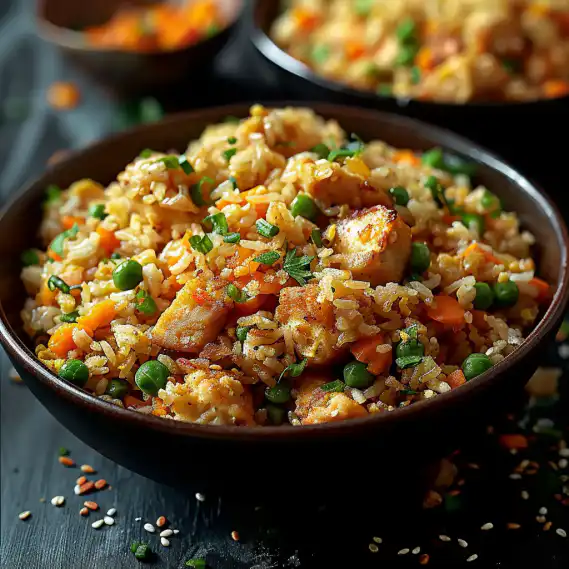
quick fried rice recipe to make it a regular feature in my weeknight rotation, especially when I need a boost of protein to keep me going. This version focuses on packing in that protein without sacrificing the speed or the delicious, savory flavors we all love.
Why This Quick Protein-Filled Fried Rice Works
This recipe is designed for busy home cooks who don’t want to compromise on flavor or nutrition. It leverages pantry staples and quick-cooking protein sources to create a satisfying meal in under 30 minutes.
Ingredients
- 2 tablespoons neutral cooking oil (like vegetable, canola, or peanut oil)
- 1 pound boneless, skinless chicken breast or thighs, cut into bite-sized pieces (or substitute firm tofu, cubed; cooked shrimp; or lean ground turkey)
- 2 cloves garlic, minced
- 1/2 inch ginger, grated or minced
- 1 cup frozen peas and carrots mix
- 3 cups cooked white or brown rice, preferably day-old and chilled
- 2 large eggs, lightly beaten
- 2 tablespoons soy sauce (or tamari for gluten-free)
- 1 tablespoon oyster sauce (optional, for added depth of flavor)
- 1 teaspoon sesame oil
- Optional additions: chopped scallions for garnish, a pinch of red pepper flakes for heat, a splash of rice vinegar for brightness.
Once you have all your ingredients ready, it’s time to bring them together into a delicious meal.
How to Make It
- Prep Your Protein: If using chicken, ensure it’s cut into uniform, bite-sized pieces. If using tofu, press it well to remove excess water and then cube it. If using shrimp, peel and devein them. For ground meat, have it ready to crumble into the pan.
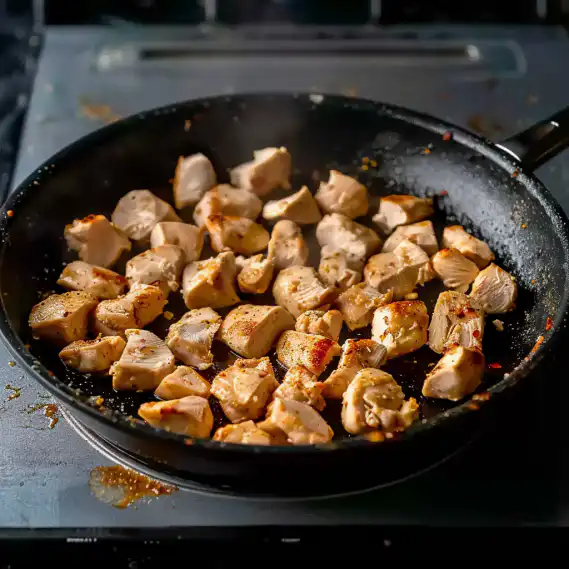
- Heat the Wok or Skillet: Place a large skillet or wok over medium-high heat. Add 1 tablespoon of the neutral cooking oil. Once the oil is shimmering, add your chosen protein. If using chicken, stir-fry until it’s cooked through and lightly browned on all sides, about 5-7 minutes.
- Sauté Aromatics and Vegetables: Add the remaining 1 tablespoon of neutral cooking oil to the same skillet. Add the minced garlic and grated ginger. Stir-fry for about 30 seconds until fragrant, being careful not to burn them.
- Scramble the Eggs: Push the vegetables to one side of the skillet. Pour the lightly beaten eggs into the empty space. Let the eggs set for a few seconds, then gently scramble them until they are cooked but still slightly soft.
- Add the Rice and Protein: Add the cooked, chilled rice to the skillet. Break up any clumps with your spatula. Stir well to combine with the vegetables and scrambled eggs. Now, add the cooked protein back into the skillet.
- Season the Fried Rice: In a small bowl, whisk together the soy sauce and oyster sauce (if using). Pour this sauce mixture over the rice, protein, and vegetables. Drizzle the sesame oil over everything.
- Stir-Fry and Serve: Stir everything together thoroughly, ensuring the sauce coats every grain of rice and piece of protein. Continue to stir-fry for another 2-3 minutes, allowing the flavors to meld and the rice to heat through completely.
This straightforward process ensures you’ll have a delicious, homemade fried rice on your table with minimal fuss.
Nutrition at a Glance
- High in Protein: Essential for muscle repair and growth, satiety, and overall bodily function. The chicken, tofu, or other protein source provides a substantial amount per serving, making this a filling meal.
- Good Source of Complex Carbohydrates: Brown rice, in particular, offers sustained energy release. Even white rice provides necessary fuel.
- Vitamins and Minerals: The peas and carrots contribute vitamins like Vitamin A and K, along with fiber and antioxidants.
- Healthy Fats: The cooking oils and sesame oil provide healthy fats, crucial for nutrient absorption and brain health.
- Low in Saturated Fat (when lean protein is used): Choosing lean chicken breast or tofu keeps saturated fat intake in check.
- Customizable Sodium Content: By choosing reduced-sodium soy sauce and controlling the amount of sauce used, you can manage sodium levels.
Check this out: High Protein Chicken Orzo
How to Serve It
- As a Standalone Meal: This protein-filled fried rice is hearty enough to be a complete, satisfying meal on its own. The balanced combination of protein, carbohydrates, and vegetables ensures you get all the necessary components for a nourishing lunch or dinner.
- Garnished for Freshness: A sprinkle of fresh, chopped scallions (green onions) adds a burst of color and a mild oniony bite that brightens the entire dish. Toasted sesame seeds can also add a lovely texture and nutty flavor.
- With a Side of Steamed Greens: For an extra boost of nutrients and a complementary texture, serve the fried rice alongside a simple side of steamed or sautéed greens like bok choy, spinach, or broccoli.
- As a Base for Other Proteins: While this recipe already includes protein, you can also serve it as a bed for additional protein. Imagine a perfectly cooked fried egg with a runny yolk placed on top, or alongside grilled chicken skewers or pan-seared fish.
- In a Portable Container: Fried rice travels exceptionally well. Pack it into a bento box or a well-sealed container for a satisfying and delicious lunch to take to work or school. The flavors often meld even further, making it a great make-ahead option.
The adaptability of this fried rice means it can easily fit into any dining scenario, from a casual weeknight meal to a more elaborate homemade feast.
Common Mistakes
- Using Freshly Cooked Rice: This is perhaps the most crucial mistake. Freshly cooked rice is too moist and sticky, leading to clumps and a mushy texture in your fried rice. Always use cold, day-old rice.
- Overcrowding the Pan: Trying to cook too much fried rice at once in a single pan is a recipe for steamed, not fried, ingredients. This leads to uneven cooking and a lack of that desirable slight char or crispiness.
- Not Having Ingredients Prepped (Mise en Place): Fried rice cooks very quickly once you start. If your garlic isn’t minced, your protein isn’t cut, or your sauces aren’t mixed, you’ll be scrambling, potentially burning ingredients while you prep.
- Using the Wrong Oil: High smoke point oils are essential for stir-frying. Oils like olive oil have lower smoke points and can burn, imparting a bitter taste. Stick to neutral oils like vegetable, canola, peanut, or grapeseed oil.
- Using a Pan That Isn’t Hot Enough: The high heat is what gives fried rice its characteristic sizzle and slight char. A lukewarm pan will result in soggy, steamed ingredients. Ensure your wok or skillet is properly preheated before adding anything to it.
- Adding Too Much Sauce at Once: Start with the recommended amount of soy sauce and oyster sauce. You can always add more if needed. Too much liquid too early can make the rice soggy and wash away the flavors. Taste and adjust at the end.
- Forgetting the Sesame Oil at the End: While sesame oil is often used for cooking, its fragrant, nutty aroma is best preserved by adding it towards the end of the cooking process or as a finishing drizzle. High heat can diminish its delicate flavor.
Avoiding these common errors will set you on the path to consistently impressive fried rice that’s both flavorful and texturally satisfying.
Storage and Reheating
- Cool Down Properly: Before storing, allow the fried rice to cool down to room temperature for no more than two hours. Leaving hot food out for too long can encourage bacterial growth.
- Airtight Containers: Transfer the cooled fried rice into an airtight container. This prevents the rice from drying out and absorbs any unwanted odors from other foods in the refrigerator.
- Refrigeration: Store the airtight container in the refrigerator. Fried rice will typically last for 3 to 4 days when stored correctly.
- Reheating Safely: The best way to reheat fried rice is on the stovetop. Heat a tablespoon of oil in a skillet over medium-high heat. Add the cold fried rice and stir-fry until heated through, breaking up any clumps.
- Microwave Reheating: If you’re short on time, you can reheat fried rice in the microwave. Place the rice in a microwave-safe dish, cover it loosely (to allow steam to escape), and heat in 1-2 minute intervals, stirring in between, until piping hot.
- Avoid Repeated Reheating: It’s best to reheat only the amount of fried rice you plan to eat to avoid multiple heating and cooling cycles, which can degrade its quality and pose a food safety risk.
By following these simple guidelines, you can confidently store and reheat your homemade fried rice, ensuring it remains a delicious option for days to come.
Leftover Ideas
- Fried Rice Patties: Allow the leftover fried rice to cool completely in the refrigerator. This makes it easier to handle. Take about a cup of rice at a time, form it into a patty, and then pan-fry it in a little oil until golden brown and crispy on both sides.
- Rice Bowls with a Twist: Reheat the fried rice and serve it as the base for a more elaborate rice bowl. Top it with a fried egg, some shredded rotisserie chicken, a drizzle of sriracha, or edamame for an extra nutrient boost.
- Stuffed Peppers or Tomatoes: If you have whole bell peppers or large tomatoes, hollow them out and fill them with your reheated fried rice.
- Quick Fried Rice Soup: Add your reheated fried rice to a simmering broth (chicken, vegetable, or dashi) along with some extra thinly sliced vegetables like mushrooms or bok choy.
- Savory Rice Pancakes: Mix the cold fried rice with a little flour and egg to create a batter. Pan-fry spoonfuls of this mixture like small pancakes until golden. These are great served with a dipping sauce of soy sauce and vinegar.
These ideas are just a starting point to inspire you to get creative with your delicious fried rice leftovers!
Quick Protein-Filled Fried Rice | High-Protein Comfort Food
- Total Time: 25 minutes
- Yield: 4 servings 1x
Description
Whip up a delicious and fast high-protein comfort food with this easy Quick Protein-Filled Fried Rice recipe. Perfect for weeknight dinners!
Ingredients
- 2 tablespoons neutral cooking oil
- 1 pound boneless, skinless chicken breast or thighs, cut into bite-sized pieces (or substitute firm tofu, cubed; cooked shrimp; or lean ground turkey)
- 2 cloves garlic, minced
- 1/2 inch ginger, grated or minced
- 1 cup frozen peas and carrots mix
- 3 cups cooked white or brown rice, preferably day-old and chilled
- 2 large eggs, lightly beaten
- 2 tablespoons soy sauce (or tamari for gluten-free)
- 1 tablespoon oyster sauce (optional, for added depth of flavor)
- 1 teaspoon sesame oil
- Optional additions: chopped scallions for garnish, a pinch of red pepper flakes for heat, a splash of rice vinegar for brightness.
Instructions
- 1. Prep your protein: Ensure chicken is cut into bite-sized pieces, tofu is pressed and cubed, or shrimp are peeled and deveined.
- 2. Heat the wok or skillet over medium-high heat. Add 1 tablespoon of neutral cooking oil. Once shimmering, add your chosen protein and stir-fry until cooked through (chicken/turkey about 5-7 mins, tofu until golden, shrimp until pink). Remove protein and set aside.
- 3. Add the remaining 1 tablespoon of oil to the same skillet. Sauté minced garlic and grated ginger for about 30 seconds until fragrant.
- 4. Add the frozen peas and carrots mix and stir-fry for 2-3 minutes until thawed and heated through.
- 5. Push vegetables to one side. Pour beaten eggs into the empty space and scramble until just cooked. Break into smaller pieces and mix with vegetables.
- 6. Add the cooked, chilled rice to the skillet. Break up clumps and stir to combine with vegetables and eggs. Add the cooked protein back in.
- 7. In a small bowl, whisk together soy sauce and oyster sauce (if using). Pour over the rice mixture. Drizzle with sesame oil.
- 8. Stir-fry everything together for another 2-3 minutes until thoroughly combined, heated through, and flavors have melded. Taste and adjust seasoning. Serve immediately, garnished with scallions if desired.
Notes
Store cooled fried rice in an airtight container in the refrigerator for 3-4 days. Reheat on the stovetop in a lightly oiled skillet over medium-high heat for best texture, or in the microwave until piping hot.
- Prep Time: 10 minutes
- Cook Time: 15 minutes
- Category: Main Course
- Method: Stir-fry
- Cuisine: American
Nutrition
- Serving Size: 1 serving
- Calories: Estimated 450-550 (depending on protein choice)
- Sugar: Estimated 5-10g (depending on soy sauce/oyster sauce)
- Sodium: Estimated 600-1000mg (can be reduced with low-sodium soy sauce)
- Fat: Estimated 15-25g (depending on protein choice and oil used)
- Carbohydrates: Estimated 40-50g (depending on rice type)
- Fiber: Estimated 3-5g (depending on rice type and vegetables)
- Protein: Estimated 30-40g (depending on protein choice)