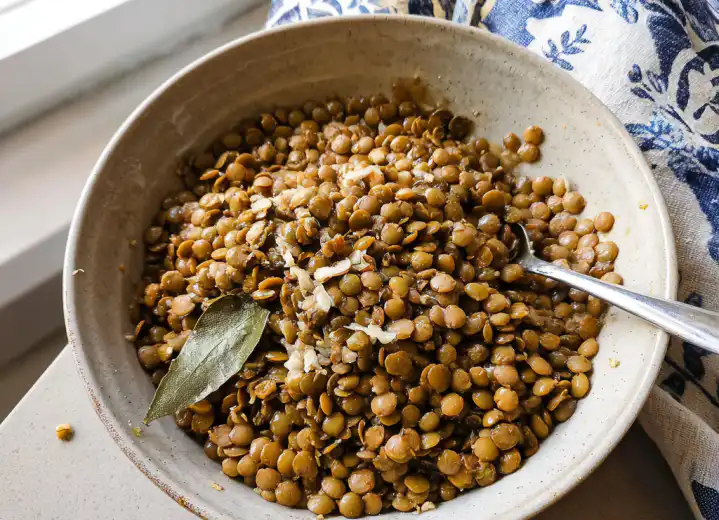
cooking lentils is more than just a technique; it’s about unlocking their potential to be a versatile and wholesome ingredient. Whether you’re looking for a quick weeknight side dish, a base for a hearty soup, or a protein boost for a salad, knowing how to cook lentils properly is key.
Why This Lentil Cooking Method Works
This method for cooking lentils is designed for reliability and flavor. By rinsing the lentils and simmering them without over-crowding, we ensure they cook evenly and retain a pleasant, not mushy, texture.
Ingredients
- 1 cup dried lentils (brown, green, or French green lentils work best for this method)
- 3 cups water or vegetable broth (for richer flavor)
- 1-2 cloves garlic, smashed or thinly sliced
- 1 bay leaf
- ½ teaspoon salt (or to taste, added towards the end of cooking)
- Optional: 1 tablespoon olive oil or a knob of butter
Gathering your ingredients is the first step to a successful lentil dish. You’ll want to ensure you have good quality dried lentils, as this will impact the final taste and texture. Water is perfectly fine for cooking, but if you have vegetable broth on hand, it can add an extra layer of savoriness that truly makes a difference.
How to Make It
- Rinse the lentils: Place the dried lentils in a fine-mesh sieve and rinse them thoroughly under cold running water. Gently swirl them with your fingers to dislodge any dust or debris. Look for any small stones or damaged lentils and pick them out. This step is crucial for both cleanliness and to help them cook more evenly.
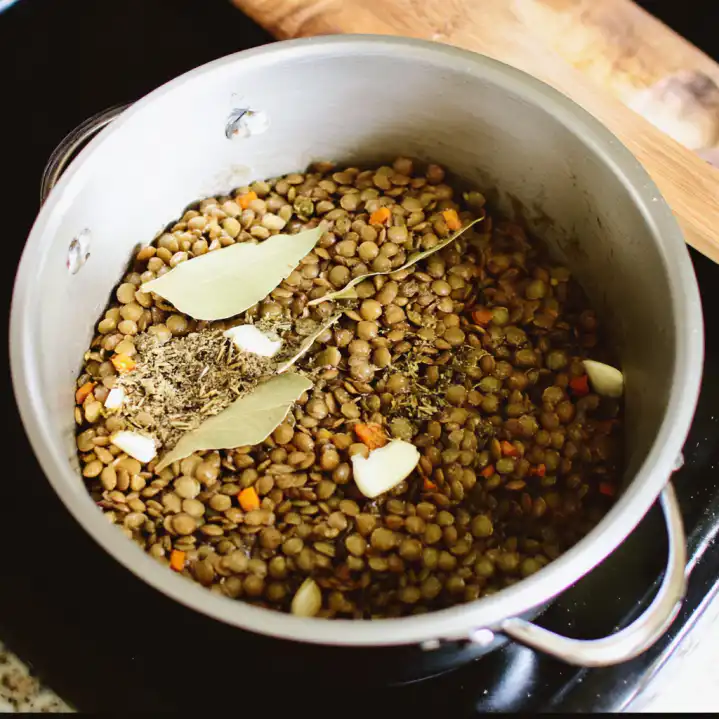
- Combine ingredients in a pot: In a medium saucepan or pot, combine the rinsed lentils, 3 cups of water or vegetable broth, the smashed or sliced garlic cloves, and the bay leaf. If you’re using them, add the tablespoon of olive oil or butter now.
- Bring to a boil, then simmer: Place the pot over medium-high heat and bring the liquid to a rolling boil. Once boiling, immediately reduce the heat to low, cover the pot loosely (leaving a small gap for steam to escape), and let the lentils simmer gently.
- Cook until tender: Simmer for 20-30 minutes, or until the lentils are tender but still hold their shape. The exact cooking time will vary depending on the type of lentil and their age. Keep an eye on them; you don’t want them to become mushy. Check for tenderness by tasting a few lentils.
- Add salt and adjust seasoning: Once the lentils are tender, remove and discard the bay leaf. Stir in ½ teaspoon of salt. Taste and add more salt if needed. If there is excess liquid and you prefer them drier, you can uncover the pot and simmer for a few more minutes to allow some of the liquid to evaporate.
Following these steps ensures your lentils are cooked to perfection, ready to be enjoyed in a multitude of ways. This simple process is the foundation for countless delicious meals.
Here’s another great option: Easy Creamy Vegan Lentil Tortilla Soup Recipe
Nutrition at a Glance
- Rich in plant-based protein
- Excellent source of dietary fiber
- Good source of iron and folate
- Low in fat and calories when cooked without added fat
- Provide complex carbohydrates for sustained energy
- Contain various antioxidants and phytonutrients
How to Serve It
- As a simple side dish, seasoned with salt and pepper, perhaps a squeeze of lemon, or a drizzle of olive oil.
- Tossed into salads for added protein and texture, especially when cooled.
- As a base for vegetarian stews and curries, absorbing the rich flavors.
- Blended into soups to thicken them and add substance.
- As a component in vegetarian patties or loaves.
Once your lentils are cooked and seasoned to your liking, they are ready to be incorporated into your favorite dishes. Their versatility means they can adapt to almost any flavor profile and culinary application, making them a cook’s best friend whether you are following a plant-based diet or simply looking to add more wholesome ingredients to your meals.
Common Mistakes
- Not rinsing the lentils: This can lead to a less appealing texture and potentially impart an “earthy” taste some people dislike. It also removes any residual dust or debris.
- Over-salting too early: Adding salt at the beginning of the cooking process can sometimes toughen the lentils, making them take longer to soften or resulting in a less tender final product.
- Using too much or too little liquid: Too little liquid will result in dry, undercooked lentils, while too much can make them watery and less flavorful, requiring extra time to reduce. Most common lentils benefit from a ratio of about 1 part lentils to 3 parts liquid.
- Overcooking and making them mushy: Lentils are meant to be tender but hold their shape for most applications. Overcooking leads to a paste-like consistency that isn’t ideal for salads or as a simple side.
- Not checking for doneness: Relying solely on the clock can be tricky. The best way to know if lentils are ready is to taste them.
- Adding acidic ingredients too early: Like salt, acidic ingredients such as tomatoes or vinegar can sometimes prevent lentils from softening properly if added too early in the cooking process. It’s generally best to add them towards the end.
Avoiding these common pitfalls will ensure your lentil cooking endeavors are always successful. Paying attention to these details, such as when to add salt and how to check for tenderness, makes all the difference in achieving that desirable texture and taste that makes lentils such a beloved food.
Storage and Reheating
- Cool completely: Allow cooked lentils to cool down to room temperature before storing.
- Airtight container: Transfer the cooled lentils to an airtight container.
- Refrigerate: Store in the refrigerator for up to 3-4 days.
- Freezing: For longer storage, cooked lentils can be frozen. Portion them into freezer-safe bags or containers and they will keep for up to 3 months.
- Reheating on stovetop: Gently reheat in a saucepan over low to medium heat. Add a splash of water or broth if the lentils seem dry. Stir frequently to prevent sticking.
- Reheating in microwave: Place lentils in a microwave-safe dish, cover loosely, and heat on medium power in 30-second intervals, stirring in between, until heated through. Add a bit of liquid if needed.
Proper storage and reheating are essential for maintaining the quality and safety of your cooked lentils. Whether you’re planning to use them in the next few days or stock your freezer for future meals, these guidelines will help ensure they remain delicious and safe to eat..
Leftover Ideas
- Lentil Soup: Add your cooked lentils to a vegetable or chicken broth base with diced carrots, celery, onions, and your favorite herbs for a hearty and warming soup.
- Lentil Shepherd’s Pie: Use cooked lentils as the base for a vegetarian Shepherd’s Pie, topped with mashed potatoes or a sweet potato mash.
- Lentil Salad: Toss cooled lentils with chopped cucumber, tomatoes, red onion, parsley, and a lemon-Dijon vinaigrette for a refreshing salad.
- Lentil Burgers: Combine cooked lentils with breadcrumbs, sautéed onions and garlic, and spices. Form into patties and pan-fry or bake for delicious vegetarian burgers.
- Stuffed Vegetables: Mix lentils with herbs, spices, and perhaps some cooked grains like quinoa or rice. Use this mixture to stuff bell peppers, zucchini, or mushrooms before baking.
- Lentil Bolognese: Simmer cooked lentils with crushed tomatoes, onions, garlic, carrots, and herbs for a meatless Bolognese sauce to serve over pasta.
- Curried Lentils: Sauté onions and garlic, add your favorite curry powder or paste, then stir in the cooked lentils and a can of coconut milk. Simmer until thickened, serving with rice.
- Lentil Hummus: Blend cooked lentils with tahini, lemon juice, garlic, and a bit of water until smooth for a unique and protein-rich dip.
The wonderful thing about cooking a batch of lentils is the sheer culinary freedom they offer. From humble beginnings, they can be transformed into an array of diverse and satisfying meals, reducing food waste and maximizing your cooking efforts.
How to Cook Lentils
- Total Time: 30 minutes
- Yield: 4 servings 1x
- Diet: Vegetarian
Description
A simple and foolproof method for cooking dried lentils to perfection. Learn the basic steps and common tips for tender, flavorful lentils every time.
Ingredients
- 1 cup dried lentils (brown, green, or French green lentils work best)
- 3 cups water or vegetable broth
- 1–2 cloves garlic, smashed or thinly sliced
- 1 bay leaf
- ½ teaspoon salt (or to taste)
- Optional: 1 tablespoon olive oil or a knob of butter
Instructions
- 1. Rinse the lentils in a fine-mesh sieve under cold running water. Discard any debris or damaged lentils.
- 2. Combine rinsed lentils, water or broth, garlic, and bay leaf in a medium saucepan. Add optional oil or butter if using.
- 3. Bring to a boil over medium-high heat.
- 4. Reduce heat to low, cover loosely, and simmer for 20-30 minutes, or until tender but holding shape.
- 5. Remove and discard the bay leaf. Stir in salt, taste, and adjust seasoning. If too much liquid remains, simmer uncovered briefly.
Notes
Store cooked lentils in an airtight container in the refrigerator for up to 3-4 days. They can also be frozen for up to 3 months. Reheat gently on the stovetop or in the microwave, adding a splash of liquid if needed.
- Prep Time: 5 minutes
- Cook Time: 25 minutes
- Category: Side Dish / Staple
- Method: Stovetop
- Cuisine: American
Nutrition
- Serving Size: 1 serving
- Calories: 160
- Sugar: 1g
- Sodium: 10mg
- Fat: 0.5g
- Carbohydrates: 28g
- Fiber: 11g
- Protein: 9g