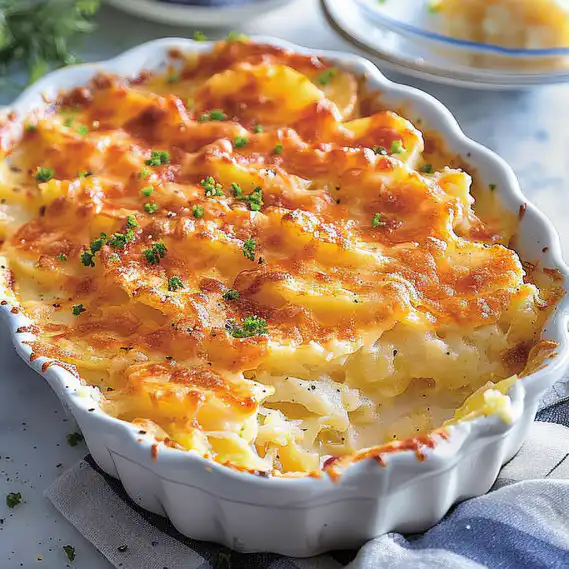
This recipe for The BEST Scalloped Potatoes is a classic for a reason. It’s creamy, comforting, and always a crowd-pleaser. Simple to make, it pairs wonderfully with so many main courses, making it a go-to for weeknight dinners and special occasions alike.
Why This Scalloped Potatoes Recipe Works
This recipe achieves its deliciousness through a careful balance of creamy sauce, tender potatoes, and a lightly browned top. Using whole milk and heavy cream creates a rich, luscious sauce that coats every slice of potato.
Ingredients
- 2 ½ pounds Yukon Gold potatoes (about 4-5 medium potatoes)
- 1 tablespoon unsalted butter, plus more for greasing the dish
- 1 cup finely chopped yellow onion (about half a medium onion)
- ¼ cup all-purpose flour
- 2 cups whole milk
- 1 cup heavy cream
- ½ teaspoon salt, plus more to taste
- ¼ teaspoon black pepper, plus more to taste
- Pinch of nutmeg (optional, but recommended)
- ½ cup shredded Gruyère cheese, divided (optional, for topping)
This straightforward ingredient list forms the foundation of consistently delicious scalloped potatoes. We believe in using quality ingredients that speak for themselves, and these simple components come together beautifully to create a comforting and satisfying side dish.
Try this recipe too: Smashed Creamer Potatoes with Garlic and Herbs
How to Make It
- Preheat and Prepare Dish: Preheat your oven to 375°F (190°C). Generously grease a 9×13 inch baking dish with butter. This step is crucial to prevent sticking and to ensure the potatoes release easily from the dish once baked. Skipping this can lead to a frustrating experience trying to serve your beautiful creation.
2. Prepare the Potatoes: Peel the Yukon Gold potatoes, then slice them thinly. A mandoline slicer is incredibly helpful here for achieving uniform thickness (about 1/8 inch thick). If you don’t have a mandoline, a sharp knife and a steady hand will do. The key is consistency in thickness; if some slices are much thicker than others, they won’t cook evenly, leading to some potatoes being perfectly tender while others remain firm.
3. Sauté the Onion: In a medium saucepan over medium heat, melt 1 tablespoon of butter. Add the chopped yellow onion and sauté until softened and translucent, about 5-7 minutes. You’re not looking for browning here, just a gentle softening that releases their natural sweetness into the pan. This forms the aromatic base of our sauce.
4. Make the Roux: Sprinkle the flour over the softened onions. Whisk constantly for about 1-2 minutes, until the flour is well incorporated and forms a paste (a roux). This step is vital for thickening the sauce without lumps. Cooking the flour for a minute or two also helps to eliminate the raw flour taste. Keep whisking; clumps of flour can be the enemy of a smooth sauce.
5. Gradually Add Liquids: Slowly whisk in the whole milk, about half a cup at a time, whisking continuously to ensure it’s fully incorporated before adding more. This gradual addition is key to a lump-free sauce. Once half the milk is added and incorporated, whisk in the heavy cream. Continue whisking until the sauce begins to thicken and is smooth. This process might take a few minutes, so be patient.
6. Season the Sauce: Stir in the salt, black pepper, and nutmeg (if using). Taste the sauce and adjust seasoning as needed. Remember that the potatoes will absorb some of the salt, so don’t be afraid to season it well now. A good baseline is ½ teaspoon salt and ¼ teaspoon pepper, but your palate is the ultimate judge. The nutmeg is subtle but adds a lovely warmth that complements the creamy potato flavor.
7. Assemble the Casserole: Drain the sliced potatoes thoroughly. Arrange about half of the potato slices in a single layer in the prepared baking dish. This initial layer is where the magic begins as they soak up the delicious sauce. Laying the potatoes in an even layer, slightly overlapping if necessary, ensures that they cook evenly and that the sauce can penetrate throughout the dish.
9. Second Layer: Add the remaining potato slices over the sauce, arranging them in another even layer. Try to nestle them in so they are supported by the layer below and the sauce.
10. Add Remaining Sauce: Pour the rest of the sauce over the second layer of potatoes, ensuring all potato slices are mostly submerged. This ensures every slice will be cooked through and infused with flavor. The goal is to have the sauce come up close to the top layer of potatoes. If some slices peek out, that’s generally okay, as they will brown slightly, but aim for as much coverage as possible to ensure consistent tenderness.
11. Add Cheese (Optional): If using Gruyère cheese, sprinkle it evenly over the top. This will melt and create a lovely golden crust. We often reserve about half of the cheese for later in the baking process, to ensure a good melt and golden color without burning.
12. Bake: Cover the baking dish tightly with aluminum foil. Bake for 45 minutes. The foil acts as a steaming lid, effectively braising the potatoes in the sauce and ensuring they become tender without the top drying out or browning too quickly. This initial covered baking period is critical for achieving that soft, yielding texture in the potatoes.
13. Uncover and Brown: Remove the foil. If using cheese, you can add the remaining half of the Gruyère now, if desired, for an extra cheesy topping. Continue baking, uncovered, for another 20-30 minutes, or until the potatoes are tender when pierced with a fork and the top is golden brown and bubbly.
14. Rest: Let the scalloped potatoes rest for 10-15 minutes before serving. This allows the sauce to thicken slightly and the flavors to meld. It also prevents the dish from being too soupy when you first serve it.
This methodical approach ensures each step contributes to the overall deliciousness, resulting in a comforting side dish that’s worth every minute of the effort. Baking time can fluctuate based on oven calibration and potato density, so using the fork-tenderness test is far more reliable than strictly adhering to a time limit.
Nutrition at a Glance
- Calories: Approximately 350-450 kcal per serving (this can vary significantly based on portion size and added cheese).
- Protein: Around 8-12g per serving.
- Fat: Approximately 20-30g per serving (primarily from dairy).
- Carbohydrates: Around 30-40g per serving (mostly from potatoes).
- Fiber: About 3-5g per serving (from the potatoes).
- Sodium: Varies greatly depending on the salt added, typically 400-800mg per serving.
It’s important to remember that these are estimates. Actual nutritional values will depend on the specific brands of ingredients used, the exact portion sizes, and whether optional ingredients like cheese are included. For a more precise understanding, consider using a nutritional calculator with your specific ingredient amounts.
How to Serve It
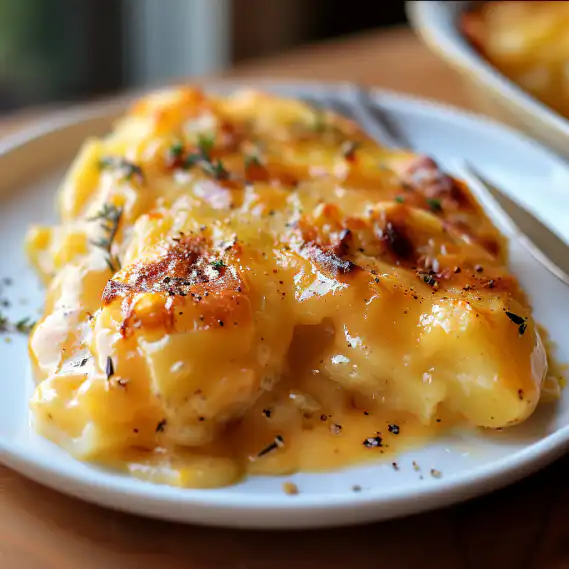
- Scalloped potatoes are a versatile side dish that complements a wide array of main courses. They are particularly excellent alongside roasted meats like pork loin, chicken, or a hearty beef roast. Their creamy texture makes them a natural pairing for savory gravies or pan sauces. For a more casual meal, they can be served with baked ham or even a quality sausage.
- This dish is also a star at holiday gatherings. Imagine it gracing your Thanksgiving or Christmas table, nestled amongst other festive fare. The comforting nature of scalloped potatoes makes them a welcome addition to buffets and potlucks, as they can be made ahead and reheated, holding their appeal.
- Consider the classic pairing with a roasted chicken. The herb-infused poultry and the creamy, savory potatoes create a harmonious bite. For a beef roast, the robust flavors of the meat stand up beautifully to the richness of the scalloped potatoes. If you’re serving pork, the slight sweetness of the pork can be wonderfully complemented by the dairy-rich side.
Common Mistakes
- Uneven Potato Slicing: As mentioned, inconsistent slicing leads to uneven cooking. Some pieces can be mushy while others remain too firm. Using a mandoline or meticulously slicing by hand with a sharp knife is key.
- Avoiding these common pitfalls will significantly increase your chances of achieving that wonderfully creamy and tender scalloped potato dish, every single time you make it. They are all relatively simple adjustments and techniques that can elevate your outcome considerably.
Storage and Reheating
- Storage: Once cooled to room temperature, store leftover scalloped potatoes in an airtight container in the refrigerator for up to 3-4 days. Ensure the container is properly sealed to prevent the potatoes from drying out. For best results, it’s advisable to portion it out into smaller containers if you anticipate only needing a single serving at a time. This also speeds up the cooling process, which is important for food safety.
- Proper storage and reheating are key to enjoying this comforting dish even after the initial meal. A gentle reheating method preserves the creamy texture and prevents the potatoes from becoming tough or rubbery, ensuring your leftovers are almost as enjoyable as the freshly baked dish.
Leftover Ideas
- Potato Patties/Cakes: Mash the cold scalloped potatoes (or pulse them in a food processor for a smoother texture). Mix in a beaten egg, a tablespoon of flour (or breadcrumbs), and some chopped chives or parsley.
- Shepherd’s Pie Topping: Use the leftover scalloped potatoes as a topping for a traditional Shepherd’s Pie or Cottage Pie. Spread them evenly over your meat filling before baking, creating a wonderfully cheesy and creamy crust.
- Soup Thickener: For a richer, creamier soup base, blend a portion of the leftover scalloped potatoes into your favorite vegetable or chicken soup. The starch and creaminess from the potatoes will act as a natural thickener, adding body and depth to the soup without needing additional flour or cornstarch.
- Savory Bread Pudding: Layer the leftover scalloped potatoes with cubes of stale bread, a splash of milk or cream, and perhaps some sautéed mushrooms or wilted spinach in a baking dish. Bake until heated through and the top is golden.
- Casserole Booster: Simply serve them as a side again! They are excellent the second time around, especially if reheated carefully. Perhaps pair them with a different main than the first night to create variety.
These ideas help to reduce food waste and provide delicious, creative ways to enjoy the remnants of this beloved dish, proving that even leftovers can be a source of culinary inspiration.
The BEST Scalloped Potatoes
- Total Time: 90-100 minutes
- Yield: 6–8 servings 1x
- Diet: Vegetarian
Description
Creamy, rich scalloped potatoes made with tender layers of Yukon Gold potatoes and a luscious milk and cream sauce. A perfect comforting side dish for any occasion.
Ingredients
- 2 1/2 pounds Yukon Gold potatoes, thinly sliced
- 1 tablespoon unsalted butter (plus more for greasing)
- 1 cup chopped yellow onion
- 1/4 cup all-purpose flour
- 2 cups whole milk
- 1 cup heavy cream
- 1/2 teaspoon salt (plus more to taste)
- 1/4 teaspoon black pepper (plus more to taste)
- Pinch of nutmeg (optional)
- 1/2 cup shredded Gruyère cheese (optional)
Instructions
- 1. Preheat oven to 375°F (190°C) and grease a 9×13 baking dish.
- 2. Peel and thinly slice potatoes (about 1/8 inch thick).
- 3. Melt butter in a saucepan and sauté onion for 5–7 minutes until soft.
- 4. Stir in flour and cook for 1–2 minutes to form a roux.
- 5. Gradually whisk in milk, then cream, until smooth and thickened.
- 6. Season with salt, pepper, and nutmeg.
- 7. Layer half of the potatoes in the baking dish.
- 8. Pour half of the sauce over the potatoes.
- 9. Add remaining potatoes and top with remaining sauce.
- 10. (Optional) Sprinkle half of the cheese on top.
- 11. Cover with foil and bake for 45 minutes.
- 12. Remove foil, add remaining cheese if using, and bake 20–30 minutes until golden and tender.
- 13. Let rest for 10–15 minutes before serving.
Notes
Slice potatoes evenly for proper cooking. Let dish rest before serving to thicken sauce.
- Prep Time: 20 minutes
- Cook Time: 65-75 minutes
- Category: Side Dish
- Method: Baking
- Cuisine: American
Nutrition
- Serving Size: 1 serving
- Calories: Approx. 350-450
- Sugar: Approx. 3-5g
- Sodium: Approx. 400-800mg
- Fat: Approx. 20-30g
- Carbohydrates: Approx. 30-40g
- Fiber: Approx. 3-5g
- Protein: Approx. 8-12g