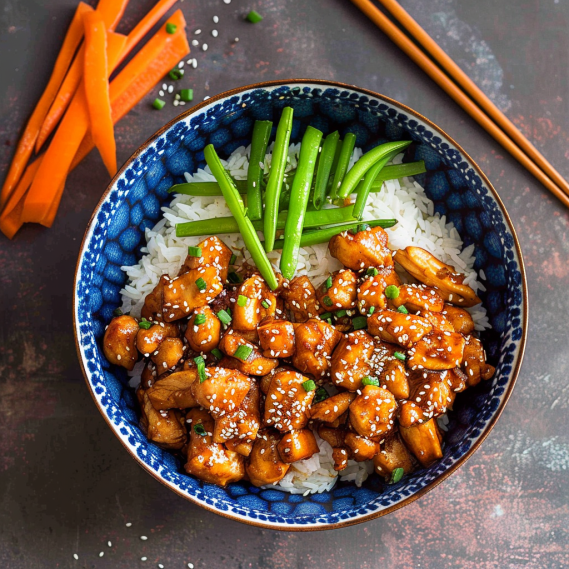
Looking for a weeknight meal that’s both satisfying and good for you? This recipe for Healthy Sticky Chicken Bowls is a winner. It’s designed for busy cooks who want a flavorful, protein-packed dinner without spending hours in the kitchen. We’re talking vibrant colors, savory-sweet flavors, and a healthy dose of lean protein, all coming together in one delicious bowl.
Why This Healthy Sticky Chicken Bowl Works
This dish is a go-to for a reason. It balances lean protein with wholesome grains and plenty of vegetables, creating a complete and filling meal. The sticky sauce, a healthier twist on a classic, uses natural sweeteners and umami-rich ingredients. It’s adaptable, quick to prepare, and consistently delivers a satisfying flavor profile that appeals to the whole family, making it a reliable choice for busy evenings.
Ingredients
- 1.5 pounds boneless, skinless chicken thighs or breasts, cut into 1-inch cubes
- 1 tablespoon olive oil
- 1 medium red onion, thinly sliced
- 2 cloves garlic, minced
- 1 inch fresh ginger, grated
- 1/2 cup low-sodium soy sauce (or tamari for gluten-free)
- 1/4 cup honey or maple syrup
- 2 tablespoons rice vinegar
- 1 tablespoon sesame oil
- 1 teaspoon cornstarch or arrowroot powder (for thickening)
- 1/4 cup water (for slurry)
- 1 cup broccoli florets
- 1 cup snap peas or snow peas
- 1 red bell pepper, thinly sliced
- Cooked brown rice or quinoa, for serving
- Optional garnishes: toasted sesame seeds, chopped green onions
With these ingredients gathered, we’re ready to transform simple components into a flavorful and wholesome meal. The beauty of this recipe lies in its straightforward approach and the vibrant, fresh flavors it brings to your table. Let’s walk through the process step-by-step to create these delightful bowls.
Check this out: Low-Carb and Keto Greek Chicken Bowls
How to Make It
- In a small bowl, whisk together the soy sauce, honey or maple syrup, rice vinegar, and sesame oil. Set aside.
- Heat the olive oil in a large skillet or wok over medium-high heat. Add the chicken cubes and cook until browned on all sides and cooked through, about 6-8 minutes. Remove the chicken from the skillet and set aside.
- Add the sliced red onion to the skillet and cook until softened, about 3-4 minutes. Add the minced garlic and grated ginger and cook for another minute until fragrant.
- Add the broccoli florets, snap peas, and red bell pepper to the skillet. Stir-fry for 3-5 minutes until the vegetables are tender-crisp.
- In a small cup, whisk together the cornstarch (or arrowroot powder) and the 1/4 cup of water to create a slurry.
- Pour the soy sauce mixture into the skillet with the vegetables. Bring to a simmer.
- Gradually whisk in the cornstarch slurry until the sauce thickens and coats the vegetables and chicken.
- Return the cooked chicken to the skillet and toss to coat evenly with the sticky sauce. Cook for another 1-2 minutes until the chicken is heated through and well coated.
- Serve the sticky chicken and vegetable mixture over cooked brown rice or quinoa. Garnish with toasted sesame seeds and chopped green onions, if desired.
This recipe guides you through creating a balanced and flavorful dinner with minimal fuss. Each step is designed to build depth of flavor and ensure the chicken and vegetables are cooked to perfection, culminating in a delicious and satisfying bowl that’s ready to be enjoyed.
Nutrition at a Glance
- Lean Protein: Chicken is an excellent source of lean protein, essential for muscle repair and satiety. Using chicken thighs provides a bit more moisture and flavor, while chicken breasts offer a lower fat option. The protein content helps keep you feeling full for longer, reducing the urge to snack on less healthy options. This is particularly important for those aiming for weight management or simply looking to maintain a balanced diet. The protein also plays a crucial role in various bodily functions, including hormone production and immune system support.
- Complex Carbohydrates: Serving with brown rice or quinoa provides complex carbohydrates, which are digested slowly, offering sustained energy release. Unlike refined grains, these whole grains are rich in fiber, vitamins, and minerals. Fiber aids in digestion, helps regulate blood sugar levels, and contributes to a feeling of fullness. Quinoa, in particular, is a complete protein, meaning it contains all nine essential amino acids. The choice of grain can significantly impact the overall nutritional profile and energy levels derived from the meal.
- Vitamins and Minerals: The colorful array of vegetables—broccoli, snap peas, and bell peppers—delivers a wide spectrum of vitamins, minerals, and antioxidants. Broccoli is packed with Vitamin C and Vitamin K. Bell peppers are a fantastic source of Vitamin C and Vitamin A. Snap peas contribute Vitamin C and Vitamin K, along with dietary fiber. These micronutrients are vital for immune function, skin health, vision, and overall well-being. Their presence transforms the dish from just a meal into a nutrient-dense powerhouse.
- Healthy Fats: Olive oil and sesame oil provide beneficial monounsaturated and polyunsaturated fats. These fats are important for heart health and help your body absorb fat-soluble vitamins. While the amounts are moderate, they contribute to the flavor and overall palatability of the dish without being excessive. The balance of fats in the diet is crucial for hormone production, nutrient absorption, and protecting vital organs.
- Lower Sodium and Sugar: By using low-sodium soy sauce and natural sweeteners like honey or maple syrup, this recipe offers a healthier alternative to many pre-made sauces or takeout options. This conscious choice helps in managing sodium intake, which is often a concern in many Asian-inspired dishes. Similarly, controlling the amount of added sugar is beneficial for blood sugar management and overall health. This approach allows for delicious flavor without the drawbacks of overly processed ingredients.
- Adaptable for Dietary Needs: This recipe can be easily modified. For a gluten-free option, use tamari instead of soy sauce. For a lower-carb choice, serve over cauliflower rice or a bed of mixed greens. If you prefer vegetarian or vegan, swap the chicken for tofu or tempeh and ensure your sweetener is plant-based. These modifications ensure that individuals with specific dietary requirements can still enjoy a delicious and satisfying meal.
How to Serve It
- Classic Bowl Presentation: Serve a generous portion of cooked brown rice or quinoa at the bottom of a wide, shallow bowl. Spoon the saucy chicken and vegetable mixture over the grains, ensuring an even distribution of all the components. This creates a visually appealing and well-balanced meal.
- Garnish with Flair: Sprinkle a generous amount of toasted sesame seeds over the top for added nuttiness and texture. A scattering of finely chopped fresh green onions adds a bright, fresh flavor and a vibrant pop of color. These simple garnishes elevate the dish from good to great with minimal effort.
- Add a Spicy Kick: For those who enjoy a touch of heat, a drizzle of sriracha or a few slices of fresh chili pepper can be added just before serving. This allows individuals to customize their spice level to their preference.
- Side of Freshness: Consider serving with a small side of pickled ginger or a simple cucumber salad dressed with rice vinegar. These additions provide a refreshing contrast to the richness of the sticky chicken and help to cleanse the palate between bites.
- Portion Control: While this is a healthy meal, be mindful of portion sizes, especially if you’re tracking your intake. The recipe is designed to be filling, so a standard serving size of grain and protein should be satisfying. Adjusting the grain-to-chicken ratio is also an option depending on your individual needs.
- Family-Style Service: For a more casual meal, present the cooked rice or quinoa in a separate bowl, with the chicken and vegetable mixture in a large serving dish. Allow everyone to assemble their own bowls, serving themselves from the communal dishes. This encourages interaction and lets each person tailor their bowl to their liking.
Serving this Healthy Sticky Chicken Bowl is all about creating a balanced, flavorful, and visually appealing meal that is both nourishing and enjoyable. With these serving suggestions, you can transform a simple weeknight dinner into something special.
Common Mistakes
- Overcooking the Chicken: This is probably the most frequent error. Chicken, especially breast meat, can become dry and tough if cooked for too long. Aim to cook it just until it’s no longer pink inside. If you’re worried, it’s better to slightly undercook it as it will finish cooking in the sauce. For thighs, they are more forgiving but can still become rubbery if overdone.
- Not Browning the Chicken Properly: Skipping the browning step or not allowing the chicken to develop a nice sear means you’re missing out on a layer of flavor. Browning creates maillard reactions, which contribute significantly to the savory depth of the dish. Ensure your pan is hot enough before adding the chicken.
- Using Too Much Cornstarch Slurry: While the cornstarch is essential for thickening the sauce, using too much can result in a gummy, overly thick consistency that coats everything too heavily. Start with the recommended amount and if it’s not thickening enough, add another teaspoon of slurry at a time until you reach your desired consistency. It’s easier to add more than to fix an overly thick sauce.
- Not Pre-mixing the Sauce Ingredients: In the rush of cooking, sometimes people throw ingredients into the pan piece by piece. Pre-mixing the sauce ingredients ensures they are well combined before hitting the hot skillet, preventing uneven distribution of flavors or clumping of the cornstarch if not mixed with water first.
- Under-seasoning the Sauce: The sauce is the star of the sticky chicken. If it tastes bland, the whole dish will suffer. Taste and adjust the soy sauce, sweetness, and acidity (vinegar) before adding it to the pan. Remember that the chicken and vegetables will absorb the flavor, so it should taste slightly more pronounced on its own.
- Mashing the Vegetables: When stir-frying, it’s important to maintain the integrity of the vegetables. Overcrowding the pan will cause them to steam rather than stir-fry, leading to mushy vegetables. Cook in batches if necessary. Stir-frying should result in tender-crisp vegetables that still have a slight bite, offering a pleasant texture contrast to the chicken.
- Discarding Aromatics: Don’t forget the garlic and ginger! These aromatics, when sautéed briefly until fragrant, provide a foundational layer of flavor to the entire dish. They should be cooked until their scents are released, but not to the point of burning, which can impart a bitter taste.
Avoiding these common pitfalls will help ensure your Healthy Sticky Chicken Bowls turn out consistently delicious and enjoyable. Paying attention to these details can make a significant difference in the final outcome of your dish.
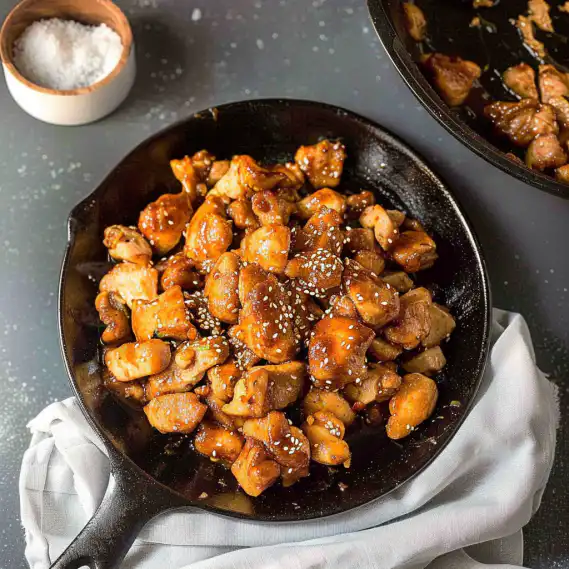
Storage and Reheating
- Cool Completely: Before storing, allow the cooked chicken and vegetable mixture to cool down to room temperature. This is crucial for food safety and prevents condensation from forming in the storage container, which can make the food soggy.
- Airtight Containers: Transfer the cooled chicken mixture to airtight containers. If you’re storing it with rice or quinoa, it’s best to store them separately if possible. This way, the grain won’t become overly saturated with the sauce, and you can reheat them to their ideal textures.
- Refrigeration: Store the containers in the refrigerator. The leftovers should be good for 3 to 4 days. Always check for any signs of spoilage before consuming, such as an off smell or slimy texture.
- Reheating on the Stove: For the best results, reheat the chicken and vegetable mixture in a skillet over medium heat. Add a splash of water or broth if the sauce seems too thick or dry. This method helps to revive the textures and flavors, and ensures even heating.
- Reheating Grains: Brown rice or quinoa can be reheated in the microwave with a tablespoon of water, or in a saucepan with a little water until heated through. Be cautious not to overcook, as they can become dry.
- Microwave Reheating: If you’re in a hurry, you can reheat the chicken and vegetables in the microwave. Place the food in a microwave-safe dish, cover loosely, and heat on medium power, stirring halfway through. This is a convenient option but might not yield the same textural quality as stove-top reheating.
- Freezing (Optional): While not ideal for the most vibrant texture, you can freeze portions of the cooked chicken and vegetable mixture. Thaw overnight in the refrigerator before reheating. The vegetables might soften considerably upon thawing and reheating.
Proper storage and reheating are key to enjoying your Healthy Sticky Chicken Bowls even after the initial meal. These steps help maintain the quality and safety of your leftovers.
Leftover Ideas
- Chicken Fried Rice: Dice the leftover chicken and vegetables. Sauté some cooked (preferably day-old) rice with a bit of oil, garlic, and ginger. Add the leftover chicken and veggies, a splash of soy sauce or tamari, and a scrambled egg. This is a fantastic way to use up almost all the components of the original dish.
- Stuffed Bell Peppers: Chop the leftover chicken and vegetable mixture finely. Mix it with cooked brown rice or quinoa and a little extra sauce if needed. Stuff into hollowed-out bell peppers and bake until the peppers are tender and the filling is heated through. A sprinkle of cheese on top is also a nice addition.
- Savory Chicken Wraps or Lettuce Wraps: Warm up the leftover chicken and vegetable mixture. Spoon it into whole wheat tortillas or large lettuce leaves (like romaine or butter lettuce). Add some shredded carrots, sprouts, or a drizzle of a lighter sauce like tahini or a yogurt-based dressing for a refreshing twist.
- Quick Stir-fry Noodles: Cook your favorite noodles (udon, ramen, or even spaghetti). In a separate pan, reheat the leftover chicken and vegetables with a little extra soy sauce or a stir-fry sauce. Toss the noodles with the seasoned chicken and vegetable mixture for a speedy noodle dish.
- Chicken and Veggie Quesadillas: Chop the leftover chicken and vegetables. Layer them with shredded cheese (cheddar or Monterey Jack work well) between two tortillas. Cook in a skillet until golden brown and the cheese is melted. Serve with salsa and sour cream or Greek yogurt.
- Add to a Quick Soup: If you have a base of chicken broth or vegetable broth simmering, you can chop the leftover chicken and vegetables into smaller pieces and add them towards the end of cooking. This instantly boosts the protein and vegetable content of a simple broth-based soup.
- Salad Topper: Cool the leftovers completely. Chop them into bite-sized pieces and add them to a bed of fresh greens. A simple vinaigrette or a light peanut dressing complements the flavors well. This transforms a warm meal into a cool and satisfying salad.
These leftover ideas offer creative and delicious ways to repurpose your Healthy Sticky Chicken Bowls, ensuring that no bite goes to waste and every meal is an opportunity for a new culinary adventure.
Healthy Sticky Chicken Bowls: Quick Protein-Packed Dinner Ideas
- Total Time: 35 minutes
- Yield: 4 servings 1x
Description
Whip up these Healthy Sticky Chicken Bowls for a quick, protein-packed dinner that’s flavorful and satisfying. This easy recipe uses lean chicken, crisp vegetables, and a delicious homemade sticky sauce. Perfect for busy weeknights!
Ingredients
- 1.5 pounds boneless, skinless chicken thighs or breasts, cut into 1-inch cubes
- 1 tablespoon olive oil
- 1 medium red onion, thinly sliced
- 2 cloves garlic, minced
- 1 inch fresh ginger, grated
- 1/2 cup low-sodium soy sauce (or tamari for gluten-free)
- 1/4 cup honey or maple syrup
- 2 tablespoons rice vinegar
- 1 tablespoon sesame oil
- 1 teaspoon cornstarch or arrowroot powder (for thickening)
- 1/4 cup water (for slurry)
- 1 cup broccoli florets
- 1 cup snap peas or snow peas
- 1 red bell pepper, thinly sliced
- Cooked brown rice or quinoa, for serving
- Optional garnishes: toasted sesame seeds, chopped green onions
Instructions
- 1. In a small bowl, whisk together the soy sauce, honey or maple syrup, rice vinegar, and sesame oil. Set aside.
- 2. Heat the olive oil in a large skillet or wok over medium-high heat. Add the chicken cubes and cook until browned on all sides and cooked through, about 6-8 minutes. Remove the chicken from the skillet and set aside.
- 3. Add the sliced red onion to the skillet and cook until softened, about 3-4 minutes. Add the minced garlic and grated ginger and cook for another minute until fragrant.
- 4. Add the broccoli florets, snap peas, and red bell pepper to the skillet. Stir-fry for 3-5 minutes until the vegetables are tender-crisp.
- 5. In a small cup, whisk together the cornstarch (or arrowroot powder) and the 1/4 cup of water to create a slurry.
- 6. Pour the soy sauce mixture into the skillet with the vegetables. Bring to a simmer.
- 7. Gradually whisk in the cornstarch slurry until the sauce thickens and coats the vegetables and chicken.
- 8. Return the cooked chicken to the skillet and toss to coat evenly with the sticky sauce. Cook for another 1-2 minutes until the chicken is heated through and well coated.
- 9. Serve the sticky chicken and vegetable mixture over cooked brown rice or quinoa. Garnish with toasted sesame seeds and chopped green onions, if desired.
Notes
Store leftovers in airtight containers in the refrigerator for up to 3-4 days. Reheat on the stovetop for best results, adding a splash of water if needed. Grains can be reheated separately in the microwave or on the stove.
- Prep Time: 15 minutes
- Cook Time: 20 minutes
- Category: Main Course
- Method: Stovetop
- Cuisine: American
Nutrition
- Serving Size: 1 serving
- Calories: Estimated 450-550 (depending on grain and exact ingredients)
- Sugar: Estimated 15-20g (natural sugars from honey/maple and vegetables)
- Sodium: Estimated 800-1200mg (can be reduced with lower sodium soy sauce)
- Fat: Estimated 15-20g
- Carbohydrates: Estimated 40-50g
- Fiber: Estimated 5-8g
- Protein: Estimated 35-45g